The Black Cyclone
"No verified original marketing tagline is currently documented in the available sources."
Plot
The Black Cyclone centers on a rugged cowboy whose bond with a spirited horse becomes the emotional core of the story. As the cowboy and the wild animal each find themselves pursued by hostile forces, the film builds a parallel between human and animal courage, suggesting that both are fighting for freedom, dignity, and survival. The romance element is woven into the western action when the hero must also protect the woman he loves from danger, raising the stakes beyond a simple roundup or range conflict. The narrative moves through pursuit, confrontation, and rescue in classic silent-era fashion, emphasizing physical peril, loyalty, and the taming of both nature and wrongdoing. By the end, the film resolves its twin conflicts of romantic and frontier danger in a way that highlights the hero’s kinship with the untamable horse.
About the Production
The Black Cyclone was made during the mid-1920s peak of Fox Film Corporation’s western production, a period when the studio regularly paired outdoor adventure with broadly appealing romance and action elements. Fred Jackman, who had a strong background in photography and visual staging, directed the film, and the production likely relied on practical horseback work, outdoor action scenes, and the athletic screen persona of Guinn 'Big Boy' Williams. Surviving documentation on the production is limited, which is common for silent-era westerns from smaller or less heavily archived releases. As with many films of the period, the picture was designed for efficient production and broad exhibition rather than prestige status, and no reliable evidence has surfaced for a notable special-effects program or expensive set construction. The film's title and premise suggest an emphasis on animal stunt work and frontier spectacle, both of which were common selling points in Fox westerns of the era.
Historical Background
The Black Cyclone was produced in 1925, during the final decade of silent cinema and at a time when the American western was consolidating many of the myths and visual conventions that would define the genre for generations. The mid-1920s were also a period of major studio expansion and standardization, with Fox Film Corporation competing aggressively in the marketplace through volume production and dependable genre fare. Westerns like this one helped reinforce the romantic frontier image that dominated popular American culture during the 1920s, even as the real West had long since been transformed by modernization. The film emerged just two years before The Jazz Singer accelerated the transition to sound, making it part of the last mature wave of silent features. Its emphasis on loyalty, danger, and the bond between human and animal fits the era’s appetite for morally straightforward adventure stories that could be read visually by diverse audiences.
Why This Film Matters
While The Black Cyclone is not among the best-known surviving silent westerns, it is culturally significant as part of the fabric of early Hollywood genre production and Fox’s contribution to the western tradition. Films like this helped establish the cowboy hero as a figure of courage, physical competence, and moral clarity, while also reinforcing the emotional appeal of the untamed horse as a symbol of freedom and vitality. The story’s parallel between the cowboy and the horse reflects a recurring western motif: civilization versus wildness, with the hero often existing between the two worlds. For modern historians, the film is valuable less as a canonical masterpiece than as evidence of how studios packaged frontier mythology for mass audiences in the silent era. Its survival in databases and catalogs also matters for preservation history, because it stands as a trace of the many Fox silent films that are now lost or difficult to access.
Making Of
The Black Cyclone was made at a time when Fox Film Corporation relied on compact, efficiently produced genre pictures to fill its release schedule, especially westerns that could play well in both urban and rural markets. Fred Jackman’s involvement is notable because he brought a visual sensibility shaped by camera work and outdoor filming, which likely helped the production emphasize movement, landscape, and action over dialogue-driven complexity. The film almost certainly depended on practical riding sequences, chase staging, and horse handling, all of which were standard but demanding components of silent western production. No detailed surviving production memoirs or studio files are widely cited for this title, so the making of the film must be reconstructed largely from the context of Fox’s 1920s output and the personnel involved. The movie also reflects a common silent-era production strategy: pairing a physically charismatic male lead with a simple, high-concept premise that could be communicated quickly through posters, intertitles, and action.
Visual Style
As a Fred Jackman picture, the film likely emphasized strong composition, outdoor clarity, and action readability. Jackman’s background in cinematography suggests a practical, visually legible style suited to silent western storytelling, where the camera had to capture horse movement, chase geography, and actor performance without dialogue. Silent westerns of this kind typically used broad daylight photography, open landscapes, and carefully staged movement to keep action dynamic and emotionally clear. The visual style would have depended on clear silhouettes, expressive physical acting, and intertitle-supported pacing rather than elaborate camera movement or experimental editing.
Innovations
There are no widely documented technical innovations specifically associated with The Black Cyclone. Its achievement lies more in competent silent western craftsmanship: horse action, outdoor staging, and visual storytelling built to be immediately understood by audiences. The film likely required careful coordination of animal handling and stunt riding, which were practical challenges in silent-era production. If any special technical distinction existed, it would most likely be in the efficient, clear photographic handling associated with Fred Jackman’s visual background rather than in a formally groundbreaking technique.
Music
As a silent film, The Black Cyclone did not have an originally recorded synchronized soundtrack. In first-run exhibition, it would have been accompanied by live music from theater musicians, with cues varying by venue and sometimes by cue sheets supplied to exhibitors. No single canonical score is widely documented in surviving sources. Modern presentations, if they exist, would typically use a reconstructed or newly compiled accompaniment rather than an original studio recording.
Famous Quotes
No verified surviving dialogue or title-card quotations are widely documented for this silent film.
As a silent production, any original phrasing would have appeared in intertitles, which are not broadly preserved in accessible reference sources.
Memorable Scenes
- The likely central chase material in which the cowboy and the wild horse are both hunted by enemies, mirroring each other’s struggle for survival.
- The rescue sequence in which the hero must save his mate from danger, combining the film’s romance and action elements.
- The horse-centered action passages that dramatize the animal’s untamable spirit and create a parallel with the cowboy’s own independence.
Did You Know?
- The film is a silent western from the mid-1920s, a period when Fox Film Corporation was producing a steady stream of genre pictures for general audiences.
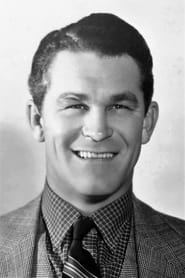
- Guinn 'Big Boy' Williams, who played the lead, was strongly associated with rugged outdoorsman roles and later became a familiar supporting player in Westerns and adventure films.
- Fred Jackman was better known in the industry for cinematography and visual craftsmanship, which likely influenced the film’s emphasis on action and outdoor staging.
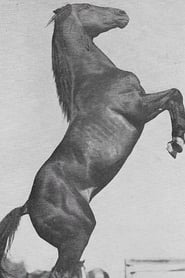
- The title refers to a horse, and the plot centers on a parallel between a cowboy and a wild animal, a structure that was popular in silent western storytelling.
- Because so many Fox silent films of the era are lost or incompletely documented, detailed production notes, publicity copy, and reception records for the film are scarce.
- The film combines western action with romance, reflecting studio efforts to make westerns appealing beyond genre fans by adding emotional stakes.
- The cast includes Christian J. Frank, a character actor often seen in supporting roles in silent-era productions and early talkies.
- Kathleen Collins appears as the romantic lead, one of the many actresses who played in silent westerns but whose careers are not always well preserved in modern reference sources.
- The film’s surviving identification through catalog records and database entries is important for reconstructing Fox’s silent western output.
- Its premise of a man and a horse sharing enemies and rescue duties makes it a notable example of anthropomorphic parallelism in silent-era storytelling.
What Critics Said
Contemporary critical reception is not well documented in surviving widely cited sources, which is common for many mid-range silent westerns from the 1920s. It was likely reviewed as a routine but serviceable genre picture, judged more on its action, scenic appeal, and lead performance than on artistic ambition. Modern critical discussion is similarly limited, with the film chiefly appearing in historical film references, archives, and database records rather than in extensive criticism. Where it is mentioned today, it is typically valued for its place in silent western history and for the surviving information about its cast and production, rather than for a large critical reputation.
What Audiences Thought
No detailed box office or audience-response records are widely verified for the film, but it was likely aimed at mainstream silent-era audiences who enjoyed western adventure and animal-centered action. The combination of a charismatic cowboy star, a horse-centered premise, and a romance subplot would have made it accessible to broad audiences in both urban neighborhoods and smaller-town theaters. Films of this type were often successful enough to justify continued studio investment even without becoming major prestige hits. In the present day, audience interest is mostly archival and historical, with the film’s appeal tied to classic western curiosity and silent-film fandom.
Film Connections
Influenced By
- Traditional American frontier literature
- Early silent westerns from Fox and other studios
- Horse-centered adventure narratives common in 1920s popular fiction
- The heroic cowboy mythology popularized in stage, dime novels, and early cinema
This Film Influenced
- Later horse-centered westerns and animal-partnership adventure films
- Subsequent Fox westerns that paired romance with frontier action
- A long line of silent and early sound westerns emphasizing the bond between rider and horse
You Might Also Like
More Western Films
View allMore from Fred Jackman
View allFilm Restoration
The film is poorly documented in surviving public sources and is commonly treated by historians as a largely inaccessible or possibly lost silent title unless a specific archival print is identified. No widely cited restoration or complete circulating print is broadly known from standard reference summaries. If a print survives, it is not commonly available in mainstream home video or streaming circulation.