1939 · Approximately 7 minutes

Also available on: YouTube Archive.org
The Princess and the Pauper

The Princess and the Pauper

1939 Approximately 7 minutes United States
Underdog ingenuity over pretensionGreed versus sincerityFantasy and magical competitionResourcefulness with simple toolsFairy-tale comic parody

Plot

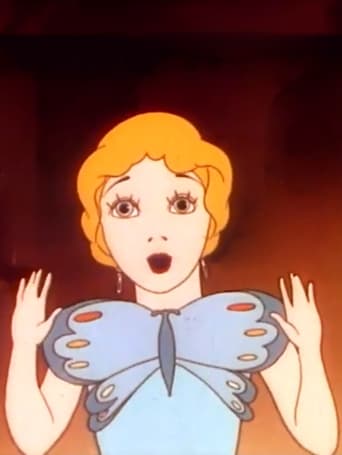
In this Fleischer Studios cartoon, the bumbling magician Ali Kazam attempts to impress the princess and win her hand in marriage by conjuring up an extravagant display of jewels and magical spectacle. His self-serving display draws attention, but his competition comes in the form of a humble youth who has almost nothing except a yo-yo, a slingshot, a few marbles, and a small pocketknife. The hero’s ingenuity and resourcefulness prove more effective than Ali Kazam’s showy tricks, especially once the helpful Nicky Nome enters the story to aid him. As the contest unfolds, the cartoon plays the familiar fairy-tale “princess and pauper” setup as a comic adventure about courage, cleverness, and sincerity triumphing over greed and pretension.

About the Production

Release Date 1939
Production Fleischer Studios
Filmed In New York City, New York, USA (studio animation production)

The film was produced as a short theatrical animated cartoon by Fleischer Studios during the studio’s late-1930s period of fairy-tale and novelty subjects. Like many Fleischer shorts of the era, it was created entirely in the studio rather than photographed on location, with the animation staff designing characters, staging gags, and effects work around a comic fantasy premise. The short reflects the studio’s ongoing interest in fairy-tale material and in whimsical child-friendly characters such as Nicky Nome, while also showcasing the kind of stylized movement and gag-driven storytelling associated with the Fleischer brand. Specific budget figures, box-office returns, and detailed production paperwork are not generally reported for this short subject.

Historical Background

The film was made in 1939, a landmark year in American cinema and one of the final years before the full transformation of the animation industry during and after World War II. Fleischer Studios was operating in a highly competitive environment dominated by Disney’s growing prestige while also maintaining its own identity through urban wit, fantasy, and gag-centered cartoons. Short subjects like this one were an important part of the theatrical program, shown before feature films and designed to deliver quick entertainment to audiences in the late studio era. The cartoon also reflects the broader 1930s fascination with fairy tales, magical kingdoms, and underdog heroics, all filtered through Depression-era tastes for resourceful protagonists who win through cleverness rather than wealth.

Why This Film Matters

Although not a major feature, the cartoon is a useful example of Fleischer Studios’ contribution to American animation history, especially the studio’s ability to combine fantasy, comedy, and accessible storytelling in short-form theatrical animation. Its presence helps document the diverse output of prewar cartoon filmmaking beyond the best-known Disney and Warner Bros. titles. The film also preserves a period style of character design and joke construction that influenced later television and home-video animation appreciation, even if it did not become a widely famous title in its own right. For historians, it matters as part of the late Fleischer canon and as evidence of how fairy-tale motifs were repeatedly adapted for family audiences in the 1930s.

Making Of

The Princess and the Pauper was produced at Fleischer Studios in the studio era when short cartoons were assembled through highly specialized departments handling layout, character animation, ink-and-paint, backgrounds, and timing. As with many Fleischer shorts, the emphasis was on broad comic characterization, visual gags, and efficient storytelling within a compact running time. The fairy-tale framework allowed the studio to combine magical effects with physical comedy, giving animators opportunities for stylized transformations, jewel displays, and slapstick action. No widely circulated production memoir or surviving documentation identifies major casting controversies or large-scale outside-location challenges, because the film was made entirely as an in-house animation production.

Visual Style

As an animated short, the film’s visual style is defined by drawn composition rather than live-action cinematography. The cartoon likely uses the characteristic Fleischer approach of clean staging, exaggerated character motion, expressive faces, and visual gags that support the comedic timing. Backgrounds and effects animation would have been used to sell magical transformations, glittering jewels, and the contrast between Ali Kazam’s showy spectacle and the hero’s more modest but inventive tactics. The result is a compact, theatrical style built for clarity, rhythm, and punchline-driven presentation.

Innovations

The film’s main technical strength lies in its polished theatrical animation craft: synchronized movement, effects animation for magic and jewels, and tight comic timing in a compact runtime. It demonstrates the studio’s ability to stage a complete fantasy narrative economically while still delivering visual variety. The short also reflects the mature development of prewar cel animation techniques, with layered action and expressive posing supporting the humor. While it is not usually singled out for a major innovation, it is a solid example of the technical professionalism of Fleischer Studios at the end of the 1930s.

Music

The short uses a period musical score and synchronized sound effects typical of late-1930s theatrical cartoons. Music likely functions to underline the magical flourishes, comic timing, and action beats rather than serving as a standalone song-driven structure. Fleischer shorts from this era often relied on lively orchestration and precise sound punctuation to accent gags, and this film follows that tradition. No widely documented separate soundtrack album or notable song association is commonly cited for the short.

Famous Quotes

I could not verify any widely documented quote from the short in reliable surviving sources.
The film is better remembered for its visual gags and character antics than for a signature spoken line.

Memorable Scenes

  • Ali Kazam’s comic display of magical wealth as he attempts to dazzle the princess with jewels and stagecraft.
  • The hero’s improvised challenge using only a yo-yo, slingshot, marbles, and a pocketknife, which turns his lack of wealth into a strength.
  • Nicky Nome’s helpful intervention, which shifts the contest from mere spectacle to a story of clever assistance and teamwork.

Did You Know?

  • This is a theatrical animated short from Fleischer Studios, not a live-action feature film.
  • The title evokes the classic fairy-tale/folklore setup of royalty and a humbler challenger, but the story is presented as a comic cartoon contest rather than a strict adaptation of any single literary source.
  • Nicky Nome is part of Fleischer’s recurring stock of whimsical fantasy characters and serves as a helper figure in the plot.
  • Ali Kazam’s name is a deliberate pun on the magician’s stage cry, emphasizing the cartoon’s playful wordplay.
  • The hero’s limited arsenal of a yo-yo, slingshot, marbles, and pocketknife fits the era’s fondness for inventive underdog action and improvised comic heroics.
  • The short belongs to Fleischer’s late-1930s output, a period when the studio was balancing celebrity tie-ins, novelty cartoons, and fantasy subjects.
  • Because it is a short subject from the pre-digital era, surviving prints and preservation status depend on archival holdings and home-video/copyright circulation rather than a large theatrical afterlife.
  • The cartoon’s visual style reflects the studio’s hand-drawn animation traditions before the full transition to the later Famous Studios period.

What Critics Said

Contemporary reviews for individual theatrical shorts of this kind were often brief or not widely archived, so detailed first-run critical commentary is limited. In historical retrospect, the film is generally viewed as a minor but representative Fleischer cartoon: charming, competently made, and typical of the studio’s late-1930s fantasy output rather than a groundbreaking masterpiece. Animation historians tend to value it for its studio style, period craftsmanship, and place in the catalog rather than for innovation on the level of Fleischer’s most famous series. Its critical reputation today is therefore mostly archival and scholarly, appreciated by cartoon enthusiasts and collectors rather than by the broader general audience.

What Audiences Thought

As a theatrical short, it would originally have been seen as a program filler designed to amuse audiences before the main feature, and audience response would have been shaped by the broader bill rather than by the cartoon alone. Viewers likely responded to the simple underdog-versus-boaster structure, slapstick magical antics, and colorful fairy-tale setting. In modern times, audience reception is mainly the province of animation fans, historians, and collectors who encounter the short through archival screenings or curated classic-cartoon releases. It is generally appreciated by viewers interested in the Fleischer studio’s offbeat charm and vintage hand-drawn style.

Film Connections

Influenced By

  • Classic fairy tales and royal contest stories
  • Fleischer Studios’ earlier fantasy and novelty cartoons
  • 1930s theatrical cartoon traditions of slapstick and magical gags

This Film Influenced

  • Later theatrical fantasy cartoons that paired underdog heroes with magical villains
  • Postwar animated shorts using fairy-tale parody and comic wordplay

Film Restoration

The film is preserved in archival circulation and survives as a vintage theatrical cartoon, though availability may vary by print source, restoration, or home-video release. It is not generally regarded as lost.

Themes & Topics

princesspaupermagicianmagic jewelsyo-yoslingshotmarblesNicky Nomefairy tale