Also available on: Archive.org
The Social Secretary

The Social Secretary

1916 United States
Female independenceWorkplace power imbalanceRomantic harassmentModern office lifeSocial respectability

Plot

In this silent comedy-drama, a handsome but overbearing employer makes life difficult for his attractive young secretary, whose efforts to keep her job are complicated by his unwanted romantic attention. As the boss’s persistence escalates, the heroine must navigate office politics, social expectations, and her own growing determination to remain independent. The film builds its comedy out of the awkward imbalance of power in the workplace while also treating the situation as a serious test of character and self-respect. Ultimately, the story centers on a woman trying to preserve her dignity and livelihood in a modern working environment that offers her few protections.

About the Production

Release Date 1916
Production Famous Players Film Company
Filmed In United States

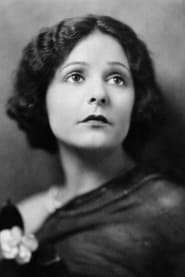
The Social Secretary was produced during the peak of Norma Talmadge’s early feature-film stardom and reflects the star-centered production practices of the mid-1910s. Like many films of the period, it was made on studio sets rather than documented on clearly identified exterior locations, and surviving documentation is limited. The film is a silent production from the transitional era when feature-length comedies and dramedies increasingly addressed contemporary urban life, office work, and changing gender roles. No reliable evidence of a substantial production budget, box-office total, or specific filming locale has been widely documented in standard surviving references.

Historical Background

The film was made in 1916, at a time when the United States was still neutral in World War I and American cinema was rapidly growing into a major international industry. Offices, typewriters, and clerical labor had become symbols of modern life, and women’s paid employment in white-collar roles was increasingly visible in cities, though still constrained by social expectations and unequal power dynamics. Silent films of this period often explored the tension between traditional morality and new urban realities, and this story fits squarely within that pattern. The production also emerged during the rise of feature-length narrative filmmaking, when studios like Famous Players were refining the star system and using recognizable performers to attract middle-class audiences.

Why This Film Matters

The Social Secretary is culturally interesting because it places a working woman at the center of a story about professional vulnerability, autonomy, and harassment-like behavior well before such language existed in common discourse. Its premise reflects an early cinematic engagement with the conditions of female office labor and the imbalance of power between employer and employee. For modern viewers and scholars, the film offers evidence that silent cinema was already grappling with workplace dynamics and gender politics that remain relevant today. As a Norma Talmadge vehicle, it also contributes to the history of women-centered stardom in early American film, where actresses frequently carried narratives that blended romance, melodrama, and social commentary.

Making Of

The Social Secretary was created in an era when studios often built productions around the personality and public image of a star, and Norma Talmadge was already being positioned as a major draw. The film’s subject matter—an office worker facing unwanted attention from her employer—was modern, socially recognizable, and likely designed to appeal to urban audiences familiar with the changing world of clerical employment. Silent-era production records for many films of this type are sparse, so detailed accounts of rehearsals, set construction, or on-location work are not well preserved. What can be said with confidence is that the film belongs to the wave of mid-1910s features that mixed romantic tension, social comedy, and moral seriousness to create stories suited to star actresses like Talmadge.

Visual Style

Detailed cinematographic credits and stylistic analyses are limited in surviving references, but the film would have used the visual conventions of mid-1910s American silent production: static or gently mobile camera setups, intertitles for dialogue and exposition, and expressive blocking to clarify power relationships between characters. As a studio feature, it likely emphasized readable staging and performance over elaborate camera movement. The workplace setting would have offered opportunities for visual comedy and for contrasting the heroine’s composure with the boss’s intrusive behavior. Any surviving prints or stills, where extant, are of historical value for showing period office spaces and performance styles.

Innovations

The film is not known for major technical innovations, but it belongs to the important developmental stage in which American feature films standardized narrative clarity, character-centered staging, and star performance as primary attractions. Its significance is more historical than technical, in that it helped normalize contemporary workplace settings as viable dramatic material. The production likely employed the polished studio methods associated with Famous Players, emphasizing clean presentation and legible storytelling. If surviving footage exists, it would be valuable mainly for its example of established mid-1910s silent technique rather than for a single breakthrough.

Music

As a silent film, The Social Secretary had no synchronized recorded soundtrack at release. It would originally have been accompanied in theaters by live music, typically provided by a pianist, organist, small ensemble, or theater orchestra depending on venue and exhibition quality. The exact original cue sheet or commissioned score, if one existed, is not well documented in widely available sources. Any modern screenings would use either archival accompaniment or a newly prepared music score.

Memorable Scenes

  • The repeated office encounters in which the secretary must deflect her boss’s increasingly inappropriate advances while trying to remain professional.
  • The scenes that contrast the heroine’s composure and social polish with the awkwardness and entitlement of her employer.
  • The workplace sequences that use clerical routines and office etiquette as both comic material and a commentary on women’s labor.

Did You Know?

  • The film stars Norma Talmadge, who was one of the major female screen stars of the silent era and later became especially associated with sophisticated melodramas.
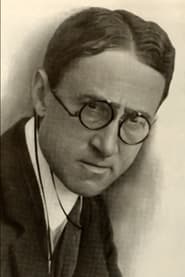
  • John Emerson directed the film; he was also known for his work with prominent silent-era performers and for shaping vehicle pictures for popular stars.
  • The Social Secretary is an early example of a workplace-centered screen comedy-drama, a setting that was still relatively fresh in 1916 cinema.
  • Its premise reflects contemporary anxieties and humor about women entering clerical and secretarial work in expanding office environments.
  • The film is associated with the Famous Players Film Company, one of the important early prestige-production companies in American silent cinema.
  • Because so many films from 1916 are lost or only partially documented, surviving plot summaries and cast information are more readily available than full technical documentation.
  • The film’s title was appealingly topical for the period, when the role of the 'secretary' had become a recognizable modern occupation in urban business culture.
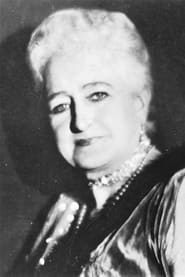
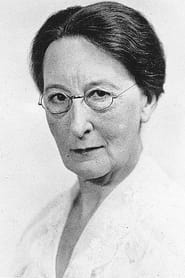
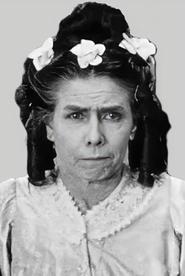
  • The casting of Kate Lester and Helen Weir alongside Talmadge suggests the film was built around a compact ensemble rather than a huge cast.
  • No widely cited awards or nominations are known for the film, which is typical for releases from the silent era before modern awards culture existed.

What Critics Said

Contemporary critical reception is not well preserved in easily accessible modern reference sources, and no large body of surviving reviews is commonly cited for the film. In the silent-film era, such releases were often reviewed in trade papers and local newspapers, but many of those notices have not been widely digitized or consolidated. Retrospectively, the film is of interest primarily to silent-cinema historians, Norma Talmadge scholars, and researchers interested in the depiction of women’s work in early twentieth-century film. Its modern evaluation is shaped less by broad popular canonization than by its value as a representative and topical early feature.

What Audiences Thought

Specific audience response data, such as attendance figures or audience surveys, are not known. As a Norma Talmadge starring vehicle from a major company, it was likely intended for broad commercial appeal among silent-era moviegoers who favored star-led melodramas and socially flavored comedies. Its premise would have been accessible to contemporary audiences because office romance, social aspiration, and the challenges of employment were familiar themes. Today, audience interest is mostly archival and historical rather than based on widespread mainstream familiarity.

Film Connections

Influenced By

  • Contemporary stage farce and social comedy about office life
  • Early silent melodramas centered on independent women
  • The rise of women’s employment in urban clerical work during the 1910s

This Film Influenced

  • Later office-romance comedies and dramas featuring the secretary/boss dynamic
  • Early workplace comedies that used clerical settings as a source of social satire

Film Restoration

Preservation status is uncertain in widely available references; the film is not commonly circulated and may survive only in incomplete archival form or be effectively lost to general circulation. No broadly publicized restoration is known from standard summaries.

Themes & Topics

secretarybossunwanted attentionoffice romancewomen at worksilent comedy-drama