1918 · Approximately 20-30 minutes

Also available on: Wikimedia Archive.org
The Virtuous One

The Virtuous One

1918 Approximately 20-30 minutes Denmark
Jealousy and mistaken suspicionMarriage and domestic trustSocial embarrassmentComic ironyAppearance versus reality

Plot

Mr. Momme, a merchant, grows increasingly suspicious when his wife comes home later than expected and seems evasive about where she has been. Convinced that she is being unfaithful, he begins seeing signs of betrayal everywhere, and his jealousy quickly escalates into a comic chain of misunderstandings. In reality, his wife has been sitting for a portrait that is meant to be a birthday surprise for him, but the secrecy surrounding the gift only deepens his alarm. When Momme finally decides to confront the struggling artist he believes to be his wife's lover, the situation comes to a head in a revealing and farcical confrontation. The resolution exposes the absurdity of his suspicions and restores marital harmony through comic embarrassment rather than melodrama.

About the Production

Release Date 1918
Production Nordisk Films Kompagni
Filmed In Denmark

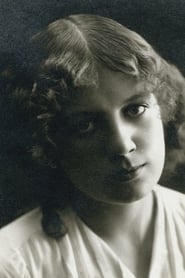
The film was produced during the late silent-era output of Nordisk Films Kompagni, a major Danish studio whose comedies were widely distributed in Europe. Like many Danish short comedies of the period, it relied on tightly staged visual gags, domestic misunderstanding, and broad character performance rather than intertitles-heavy dialogue construction. Surviving documentation on exact budgetary or location details is limited, and precise production records for many 1910s Nordisk shorts are incomplete. The cast includes well-known Danish comic performers associated with the studio's popular farce tradition, especially Oscar Stribolt, whose screen persona was central to many early Scandinavian comedies.

Historical Background

The Virtuous One was produced in 1918, during the final year of World War I, a period when Denmark remained neutral but was still affected by wartime economic and cultural pressures. Danish cinema in the 1910s had already established an international reputation, especially through Nordisk's polished production values and export-oriented programming, though by this period the global balance of power in film was shifting toward American studios. Silent comedy remained a vital part of cinema culture, offering audiences light entertainment during a time of social uncertainty and restricted resources. The film's domestic jealousy plot reflects a broader early-twentieth-century interest in bourgeois family life, marital trust, and the comic dangers of overactive suspicion, themes that translated easily across national boundaries.

Why This Film Matters

While not among the most famous Danish silent films, The Virtuous One is representative of the style and industrial strength of early Danish comedy production. It illustrates how Nordisk and directors like Lau Lauritzen Sr. helped define a clean, readable comic language based on gesture, timing, and social satire. The film also shows how early cinema could mine everyday middle-class anxieties—particularly around marriage, reputation, and fidelity—for broad audience appeal. As a surviving or at least cataloged example of a 1910s Danish comic short, it has value for historians studying Nordic film comedy, international silent-era distribution, and the evolution of screen farce.

Making Of

The Virtuous One was made within the highly efficient studio system of Nordisk Films Kompagni, where short comedies were produced with a focus on clear visual storytelling, stock character types, and easily exportable domestic situations. Lau Lauritzen Sr. was an important figure in shaping Danish comedy on screen, and this film fits his fondness for everyday social mishaps played with brisk pacing and broad, readable performance. The script's core conceit—an innocent birthday portrait mistaken for evidence of adultery—would have been especially suited to silent filmmaking because it relies on visual clues, concealment, and reaction. As with many early films of this sort, the surviving historical record is limited, so detailed accounts of the shoot, sets, or on-set difficulties are not readily documented.

Visual Style

As a silent-era Danish comedy, the film likely used static or gently staged camera setups, clear blocking, and medium-distance framing that allowed actors' body language to carry the humor. Early Nordisk productions were known for disciplined composition and legible action, avoiding confusion even when the plot depended on mistaken observation. The visual style would have emphasized entrances, exits, reaction shots, and the physical buildup of comic tension around the husband’s suspicions. The portrait-painting premise also lends itself to visual contrast between private domestic space and the public embarrassment of confrontation.

Innovations

The film does not appear to be associated with major technical innovation, but it demonstrates effective silent-comedy craftsmanship in visual storytelling. Its achievement lies in the precise handling of misunderstanding through action and framing rather than in special effects or elaborate production design. The comic structure depends on efficient exposition, escalating visual clues, and a payoff that resolves the husband’s false assumptions. In that sense, it is a good example of mature silent-era genre technique at the short-film level.

Music

As a silent film, The Virtuous One had no synchronized recorded soundtrack. Like most screenings of the period, it would likely have been accompanied by live music, improvised or arranged by theater musicians depending on the venue. No original score has been documented in the available record, and any modern presentations would generally use a newly selected accompaniment or archival-style piano or chamber music. Music would have been used to reinforce the comic pacing, mood shifts, and final resolution.

Memorable Scenes

  • The wife’s late return home triggers Mr. Momme’s first wave of suspicion, setting the comic misunderstanding in motion.
  • The portrait-sitting deception, where an innocent birthday gift is mistaken for evidence of an affair, forms the film’s central visual irony.
  • Mommes's increasingly agitated attempts to interpret small details as proof of betrayal escalate the farce.
  • The final confrontation with the artist serves as the comic payoff, revealing how completely Momme has misread the situation.

Did You Know?

  • The film is a Danish silent comedy made at a time when Nordisk Films Kompagni was one of the most prominent production companies in Europe.
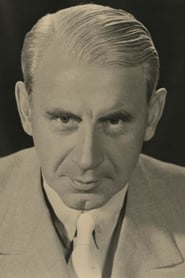
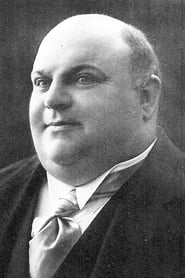
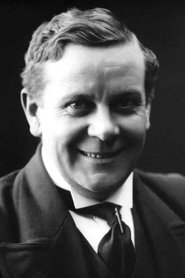
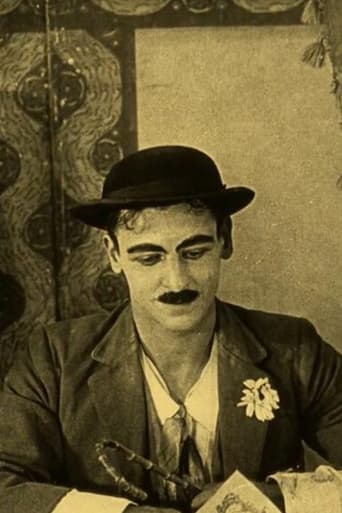
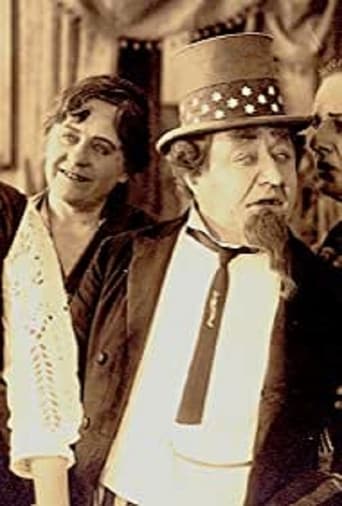
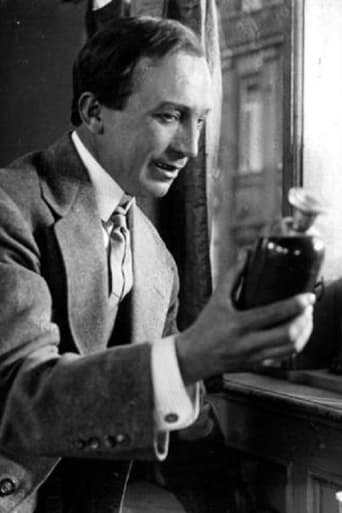
  • It stars Oscar Stribolt, one of the best-known comic actors in early Danish cinema, often cast as blustering, gullible, or pompous husbands and authority figures.
  • The plot depends on a classic misunderstanding device: a husband misreads innocent behavior as evidence of infidelity.
  • The title is ironic, since the supposedly 'virtuous' situation is actually a case of mistaken suspicion and domestic comedy.
  • The story centers on a portrait sitting, a plot element that allowed silent films to build visual comedy around secrecy, timing, and physical reaction shots.
  • The film belongs to the tradition of early Scandinavian bourgeois comedies, which frequently satirized marriage, jealousy, and social respectability.
  • Because many silent Danish shorts from this period were poorly archived, comprehensive production documentation is scarce compared with later feature films.
  • The cast also includes Lauritz Olsen and Rasmus Christiansen, both associated with Danish stage-and-screen performance traditions.
  • The film is sometimes referenced through plot descriptions rather than extensive surviving publicity material, which is common for lesser-documented silent comedies.
  • It is an example of how domestic comedy in silent cinema could be driven entirely by visual misunderstanding without requiring elaborate narrative complexity.

What Critics Said

Contemporary critical responses specific to this title are not well documented in the surviving record, which is common for short silent films of the period. At the time, films of this type were generally evaluated for their comic effectiveness, clarity of action, and the popularity of their performers rather than for auteur-style criticism. In retrospect, the film is chiefly of interest to historians and archivists as part of Lau Lauritzen Sr.'s early comedy work and as evidence of Nordisk's continued production of domestic farces in the late silent era. Modern assessment tends to focus on its genre conventions, historical context, and the significance of its cast and studio rather than on a large body of contemporary reviews.

What Audiences Thought

Specific audience figures and reception reports are not known, but the film was made for the kind of mass audience that enjoyed short, situational comedies in cinemas and nickelodeon-style programs. Its premise would have been easily understood by viewers regardless of language because the humor relies on action, visual misunderstanding, and escalating embarrassment. Films like this were typically popular as supporting attractions, giving audiences a brief comic release between longer dramatic presentations. The continued cataloging of the title suggests it formed part of the active and exportable Danish comedy output that found an audience in its own era.

Film Connections

Influenced By

  • Stage farce and marital comedy traditions
  • Early European bourgeois domestic comedies
  • Silent-era visual gag storytelling

This Film Influenced

  • Later domestic misunderstanding comedies in European silent cinema
  • Subsequent marital farces built around mistaken infidelity

Film Restoration

The film is documented in film databases and historical film sources, but detailed public preservation information is limited. It is not widely circulated as a commonly screened archival title, and its survival status is not clearly established in the available reference material. If extant, it is likely held in a national or institutional archive rather than in commercial circulation.

Themes & Topics

mistaken jealousyportrait paintingmarital misunderstandingsilent comedyfarcebirthday surprise