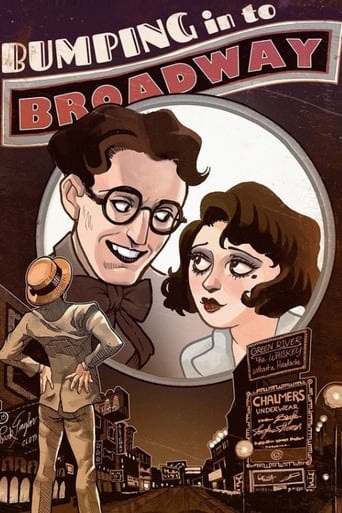
Young Mr. Jazz
Plot
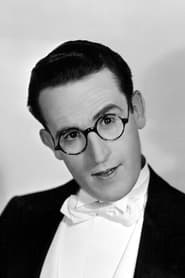
In this Harold Lloyd comedy, a young man nicknamed "Harold" finds himself in trouble after trying to get away from the father of the girl he is courting. While fleeing in his car, he breaks down directly in front of a dance hall that is secretly operated by crooks, forcing him to improvise his way through an already chaotic situation. The girl’s father remains in pursuit, turning the setting into a comic pressure cooker in which Harold must juggle romantic embarrassment, physical danger, and the schemes of the criminals inside the hall. As in many Lloyd shorts of the period, the humor builds from escalating misunderstandings, rapid pursuit, and inventive gags that trap the hero between respectable society and underworld chaos. The plot resolves through a series of slapstick complications that allow Harold to survive by wit, nerve, and endurance rather than brute force.
About the Production
Young Mr. Jazz is a one-reel silent comedy from Harold Lloyd's late-1910s output, made during the period when Hal Roach was refining the star's persona from a broad, anarchic comic into the more recognizable go-getter character that would define Lloyd's later fame. As with many Roach comedies of the era, the film was designed for efficient studio production using controlled sets, practical exterior locations around Los Angeles, and fast-paced gag construction rather than elaborate production design. Contemporary documentation on exact budget, box office, and detailed shooting schedule is scarce, which is common for shorts from 1919. The film is also notable as an early example of the blend of romance, chase comedy, and criminal hijinks that Lloyd and Roach would continue to develop in subsequent shorts and features.
Historical Background
Young Mr. Jazz was produced in 1919, a moment when American cinema was rapidly consolidating the short comedy as a mass-entertainment staple. The United States had just emerged from World War I, and the public was eager for light escapist entertainment; cinema programs commonly mixed newsreels, serial chapters, dramas, and one-reel comedies. Harold Lloyd was becoming one of the major comic stars of the age, and Hal Roach was building the production infrastructure that would later support some of the most influential comedy in silent-film history. The film also reflects an important transitional period in screen comedy, when comic characters were becoming less purely clownish and more recognizably modern, with social situations, courtship problems, and criminal threats all blended into a brisk narrative framework.
Why This Film Matters
Although Young Mr. Jazz is not one of Harold Lloyd's best-known titles, it is culturally significant as part of the body of short comedies that helped define his screen identity and the broader language of American silent comedy. Films like this helped establish the template for the earnest, ambitious, ordinary young man placed in extraordinary danger, a comic archetype Lloyd would refine into one of the most influential character types in film history. It also illustrates the collaborative importance of Hal Roach Studios, which became a crucial incubator for comedy talent and a training ground for timing, physical performance, and economical storytelling. For historians, the film is valuable as a surviving example of the one-reel comic form that shaped audience expectations before features became the dominant comic vehicle.
Making Of
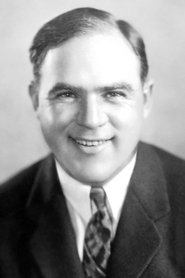
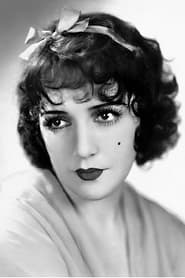
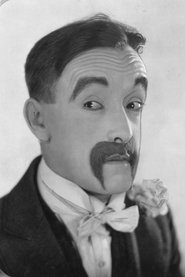
Young Mr. Jazz was made during a prolific period for Hal Roach and Harold Lloyd, when the team was producing a steady stream of short comedies built around escalating trouble, physical antics, and a likable central hero. Roach's studio system emphasized tight scripting, efficient shooting, and strong gag development, so the film likely relied on practical location work, simple sets, and precise timing rather than expensive production values. The surviving historical record does not preserve a wealth of anecdotal production detail, but the film fits squarely within the working methods that made Lloyd's early career so successful: clear story premises, energetic ensemble casting, and a heavy dependence on visual storytelling. Bebe Daniels and Snub Pollard's presence suggests the familiar Roach company approach, in which recurring performers helped audiences immediately understand the comic tone and relationships on screen.
Visual Style
The cinematography is characteristic of late-1910s American silent comedy: straightforward camera placement, clear staging, and an emphasis on readable action over elaborate camera movement. The visual style would have depended on long enough takes to preserve the integrity of physical gags while still cutting quickly enough to maintain comic momentum. Exteriors, likely shot around Los Angeles or on studio backlots, would have provided the open space needed for chase sequences and the positioning of the car breakdown setup. Because the film is a one-reel comedy, its imagery is built for immediacy and clarity rather than atmospheric expressionism or complex visual effects.
Innovations
Young Mr. Jazz is not known for major technical innovation, but it is representative of the refined comic technique Hal Roach and Harold Lloyd were developing in the late silent era. The film's achievement lies in its pacing, the coordination of physical action with narrative clarity, and the effective use of simple setups to generate multiple comic payoffs. Its structure showcases the growing sophistication of short-form silent comedy, in which timing, spatial geography, and escalating complications were crucial. The film also demonstrates the production efficiency of Roach's studio methods, which helped standardize a highly readable and exportable style of screen comedy.
Music
As a silent film, Young Mr. Jazz originally had no synchronized recorded soundtrack. In its original exhibition, it would have been accompanied by live music from a theater pianist, organist, or small orchestra, with the exact cueing varying from venue to venue. Modern presentations of silent films often use newly compiled accompaniment, but no single definitive original score is generally associated with this title. Any current music heard with the film is typically a later archival or restoration accompaniment rather than a historically fixed soundtrack.
Famous Quotes
No surviving synchronized dialogue exists for this silent film.
Any intertitles used in circulation prints vary by surviving source and are not consistently documented.
Memorable Scenes
- Harold's car breaking down right in front of a dance hall run by crooks, trapping him between mechanical failure and criminal danger.
- The escalating pursuit by the girl's father, which turns a simple romantic escape into a full-scale comic chase.
- The dance hall complications in which Harold must navigate both the crooks inside and the man chasing him from outside.
- The series of slapstick misunderstandings that force Harold to improvise his way out of trouble.
Did You Know?
- Young Mr. Jazz is one of Harold Lloyd's short comedies from the silent era, made before he became famous worldwide for his feature-length films.
- The film was directed by Hal Roach, who was not only Lloyd's collaborator but also one of the most important producers of American silent comedy.
- Bebe Daniels appears in the film, reflecting the frequent pairing of Lloyd with actresses who could play both romantic interest and comic foil.
- Harry 'Snub' Pollard, a familiar face in Roach comedies, appears in the supporting cast and helps provide the film with its ensemble-comedy energy.
- The film's premise combines a romantic pursuit with crooks at a dance hall, a setup that allowed for both chase comedy and gangster parody.
- Like many 1919 shorts, it was produced quickly and economically, with the humor built around visual gags rather than intertitles.
- The title plays on the era's jazz-age associations, though the film predates the full popularization of "The Jazz Age" as a cultural label.
- Harold Lloyd's character in this period was still in transition away from his earlier "Lonesome Luke" style toward the more distinct plain-clothes comic hero persona.
- The film survives in film-historical records and is referenced by modern archives and databases, but detailed production paperwork is limited.
- It is representative of the fast-moving one-reel comedy form that dominated theatrical programming in the late 1910s.
What Critics Said
Contemporary reviews are not widely documented in surviving mainstream sources, which is typical for many short comedies from 1919, especially those shown as part of a larger bill rather than reviewed individually in depth. Historically, the film has been treated by silent-comedy scholars as a solid representative of Harold Lloyd's early work rather than as one of the landmark titles of his career. Modern reception generally values it for its energy, its glimpse of Lloyd in transition toward his mature persona, and its usefulness in tracing the development of Hal Roach's comic style. Because it is a short subject rather than a feature, criticism tends to focus less on grand artistic claims and more on its efficiency, visual inventiveness, and entertainment value within the silent-comedy tradition.
What Audiences Thought
Audience reception in 1919 would likely have been strong among viewers who enjoyed fast, lightly romantic, chase-oriented comedies featuring recognizable performers. Harold Lloyd was already a popular comedian, and the combination of danger, romance, and criminal interference offered exactly the sort of lively amusement that audiences expected from a one-reel comedy. Today, the film is mainly encountered by silent-film enthusiasts, archive viewers, and classic-comedy historians, so its audience is narrower but typically appreciative of its historical charm and brisk pacing. Modern viewers familiar with Lloyd's later features may see it as an enjoyable early example of the style he would later perfect.
Film Connections
Influenced By
- Vaudeville physical comedy traditions
- Early Keystone-style chase comedies
- Hal Roach's evolving house style of character-based slapstick
- Harold Lloyd's earlier Lonesome Luke shorts
This Film Influenced
- Harold Lloyd's later romantic chase comedies
- The Kid Brother (1927)
- Safety Last! (1923)
- Other Hal Roach short comedies blending romance and physical jeopardy
You Might Also Like
More Comedy Films
View allMore from Hal Roach
View allFilm Restoration
The film is not generally classified as lost and is known through surviving archival references and circulating historical records; however, detailed public information about the completeness and quality of specific surviving prints is limited. As with many silent shorts, preservation status may vary by archive and available print source, and some versions may be incomplete or derived from later copies.