1912 · Approximately 10-15 minutes

Also available on: YouTube Wikimedia

Zigoto's Honeymoon

1912 Approximately 10-15 minutes France
Desire overwhelmed by chaosComic obliviousnessEscalation of domestic farcePhysical comedy and embarrassmentThe disruption of intimate space

Plot

Zigoto's Honeymoon is a short French comic romance built around a chain of increasingly absurd interruptions. Zigoto and his lover are absorbed in passionate foreplay and seem completely oblivious to the chaos mounting around them, allowing disaster after disaster to unfold just beyond their notice. As the situation escalates, the humor comes from the contrast between the couple’s self-absorption and the mounting physical mayhem surrounding them. The film follows the familiar early-1910s French farce pattern in which embarrassment, slapstick mishaps, and escalating visual gags replace dialogue-driven comedy, ending with the lovers still trapped in the comic aftermath of their own distraction.

About the Production

Release Date 1912
Production Gaumont
Filmed In France

This film was produced as part of the early French silent-comedy tradition associated with Gaumont and director Jean Durand, who specialized in fast-paced, gag-driven farces. Like many French shorts of the period, it was made quickly for a popular exhibition market rather than as a prestige production, and its humor depends on staging, performance, and escalating visual business rather than intertitles or elaborate sets. Surviving documentation is limited, so details such as exact shooting dates, production budget, or specific studio facilities are not securely established in the public record. The film is also known by its French title, which helps distinguish it from later works or similarly named comedies.

Historical Background

Zigoto's Honeymoon was made in 1912, a pivotal period in world cinema when the medium was rapidly evolving from short actuality scenes and simple trick films into more elaborate narrative forms. In France, studios such as Gaumont were central to this transformation, and directors like Jean Durand were helping define the grammar of screen comedy through concise, action-driven shorts. The film emerged during the pre-World War I heyday of European silent comedy, when slapstick, domestic farce, and sexual innuendo were popular because they translated easily across language barriers. Historically, it matters as a representative example of how early cinema could combine risqué subject matter with visual innocence, using pantomime and escalation to create humor that remains legible more than a century later.

Why This Film Matters

Although not a widely famous title, Zigoto's Honeymoon is culturally significant as part of the early French comic tradition that helped shape screen comedy internationally. Films like this established the template for the escalating domestic farce, where everyday situations spiral into chaos through timing, misunderstanding, and physical comedy. The character-based title and the use of a recurring comic persona reflect an early form of series branding that would become important in silent comedy production. Today, the film is also valuable to historians because it illustrates how early cinema negotiated sexuality, propriety, and laughter in ways that feel both of their time and surprisingly modern.

Making Of

Little detailed behind-the-scenes documentation survives for Zigoto's Honeymoon, which is typical for many 1912 shorts. What is known is that it was directed by Jean Durand, whose films often emphasized energetic staging, broad physical humor, and rapidly escalating comic situations. The production would have been shaped by the practical limitations and conventions of the period: static or lightly mobile camera placement, outdoor or simply constructed interior sets, and performances calibrated for visual clarity in the absence of synchronized sound. Because the film is short and gag-based, the creative challenge was likely in choreographing interruptions and catastrophes so that each new mishap could build on the previous one without confusing the audience. Surviving archive descriptions suggest that the film’s appeal lies in its comic timing and escalating absurdity rather than in elaborate production design.

Visual Style

The film's cinematography would have been characteristic of early French silent comedy: a clear, theatrical framing that prioritizes visibility of the action and the timing of visual gags. Early 1910s comedies often used medium-distance compositions so the audience could read multiple layers of action at once, which is especially important in a film built on interruptions happening around a distracted couple. Rather than expressive camera movement, the visual style likely depends on blocking, props, and the choreography of escalating chaos within the frame. The result is a straightforward but effective style designed to maximize comic legibility.

Innovations

The film does not appear to be associated with major technical innovations in the way later landmark films are, but it is technically notable as an example of tightly structured silent slapstick. Its achievement lies in the orchestration of visual escalation: multiple interruptions and catastrophes are staged so the audience can track several comic beats at once without spoken explanation. That kind of construction requires careful blocking, prop management, and performer timing, especially in the constrained production environment of early 1910s shorts. In that sense, it demonstrates the maturity of early comedy form even before feature-length cinema became dominant.

Music

As a silent film, Zigoto's Honeymoon originally had no synchronized recorded soundtrack. Like most films of its era, it would have been accompanied in exhibition by live music chosen by the theater, ranging from a solo pianist to a small ensemble depending on venue and resources. No original cue sheet or score is widely documented in the surviving reference information. Modern screenings, when available, typically use archive- or venue-selected accompaniment rather than a historically fixed score.

Memorable Scenes

  • The central gag structure in which Zigoto and his lover remain absorbed in each other while calamities and interruptions pile up around them.
  • The escalating cascade of mishaps that transforms a private romantic moment into a chaotic comic set piece.

Did You Know?

  • The film is a silent short from 1912, placing it in the formative years of narrative screen comedy.
  • It is associated with Jean Durand, a prolific early French filmmaker known for action-comedy and farce.
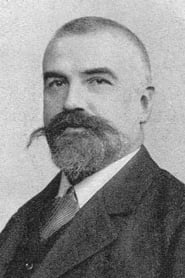
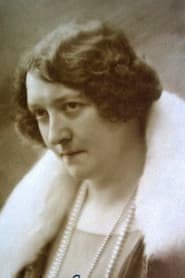
  • Lucien Bataille and Berthe Dagmar are credited in surviving references, linking the film to performers active in French comic cinema of the period.
  • The plot device of a couple ignoring escalating chaos was a common comic strategy in early slapstick and remains effective because it relies on visual escalation.
  • The title uses the character name Zigoto, a figure that appears in early French comic culture and evokes a mischievous or ridiculous type.
  • The film has been documented by major film-history institutions, including MoMA, which provides a concise plot description in its collection records.
  • Like many early 1910s comedies, it likely relied on physical performance and carefully timed visual interruptions rather than dialogue or complex continuity editing.
  • Because it is a very early film, surviving information is sparse, making archival collection records especially important for identification.
  • Its comic premise depends on sexual misdirection and domestic chaos, both frequent elements in pre-World War I farce.
  • The film exemplifies the brisk, gag-oriented style that helped establish France as a major center of silent comedy before the dominance of Hollywood shorts.

What Critics Said

Contemporary reviews are not readily available in widely cited modern databases, and detailed press reception from 1912 has not been securely preserved in the sources consulted. In retrospect, film historians tend to view the work as a minor but instructive example of Jean Durand's comic craft and of Gaumont-era short comedy at a time when the form was flourishing. Its modern critical standing is mostly archival and historical rather than based on mainstream criticism, with appreciation focused on performance style, comic construction, and its place within early French slapstick. Institutions preserving and cataloging the film treat it as a worthwhile example of prewar comedy rather than as a canonical masterpiece.

What Audiences Thought

There is no detailed surviving box-office or audience-response record available in the standard reference material for this film. As a 1912 comedy short, it was likely intended for broad popular exhibition in nickelodeons and mixed cinema programs, where quick, visual humor was a reliable draw. The premise suggests it would have played well with audiences accustomed to fast-moving farce and escalating physical gags. Its continued presence in archival collections indicates that it retained enough historical interest to be preserved and cataloged, even if direct audience testimony from the period is scarce.

Film Connections

Influenced By

  • French stage farce
  • Early Gaumont comic shorts
  • Pre-World War I slapstick tradition
  • Vaudeville-style physical comedy

This Film Influenced

  • Early domestic farce comedies of the silent era
  • Later slapstick shorts built around escalating interruptions
  • European comedy films centered on a recurring comic character

Film Restoration

The film is apparently extant and documented in archival and museum records rather than being known solely from fragments or lost-paper references. It is not among the many completely lost silent shorts, though surviving-access details may vary by archive and screening availability. The film has been cataloged by film-history institutions, which suggests at least one preserved print or archival element survives in institutional custody.

Themes & Topics