100% American
Plot
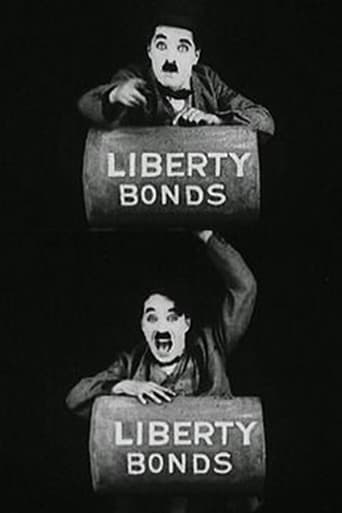
A patriotic comedy set against the Liberty Bond drives of World War I, 100% American follows a young woman who wants to attend a ball where admission requires the purchase or presentation of a Liberty Bond. Rather than keep the bond for herself, she lends it to a girlfriend, which leaves her unable to enter the event as planned. A soldier and a sailor discover the situation and decide to escort her to the ball themselves, turning the evening into a comic romantic adventure built around wartime enthusiasm, flirtation, and national duty. The story plays as a lighthearted celebration of home-front patriotism, with the heroine’s generosity and the military men’s chivalry creating the film’s central complications and resolution.
About the Production
100% American was produced during the First World War era as part of the wave of patriotic American entertainment that supported Liberty Loan campaigns and wartime morale. The film’s surviving documentation is limited, and precise production records such as budget, box-office gross, and specific shooting locations are not readily verified from surviving sources. It is associated with Triangle Film Corporation, a major American studio of the period, and director Arthur Rosson, who worked in silent-era productions across several genres. As with many short comedies from 1918, the film was likely mounted efficiently and designed for topical appeal rather than elaborate production design.
Historical Background
100% American was produced in 1918, in the final year of World War I, when American cinema was heavily engaged with patriotic messaging, morale-building, and public participation in Liberty Loan campaigns. Films of this period often used comedy and romance to normalize wartime sacrifice and make bond drives feel socially desirable and even glamorous. The plot’s focus on a Liberty Bond ball places it squarely within the cultural environment of mobilization on the U.S. home front, where entertainment and civic duty were frequently intertwined. As a silent-era comedy from a major studio period, it also belongs to the broader history of American film industry consolidation, when companies like Triangle were developing more standardized production and distribution practices.
Why This Film Matters
The film is culturally significant as a snapshot of how American popular cinema helped shape wartime identity and public participation during World War I. By turning a Liberty Bond into the key to romance and social access, it transforms civic duty into a playful social currency, demonstrating how film could make national service feel fashionable and emotionally rewarding. Even if the title is not widely remembered today, it reflects a larger trend in early U.S. film history: silent comedies frequently absorbed current events and translated them into accessible entertainment for mass audiences. For researchers, it is valuable as an example of wartime screen culture and the interplay between propaganda, comedy, and star-era filmmaking.
Making Of
Very little detailed behind-the-scenes information survives for 100% American, which is common for many silent-era comedies from 1918. The film was made during a time when American studios often produced topical shorts and features quickly in response to current events, especially anything connected to the war effort. The production likely relied on familiar comic scenarios, brisk pacing, and recognizable wartime iconography rather than expensive sets or long location work. Because archival data is incomplete, casting, editing, and exact crew contributions beyond the director are not fully documented in readily accessible modern sources.
Visual Style
Specific cinematographic credits and detailed visual analysis are not readily available from surviving documentation, but as a 1918 silent comedy it would have used the conventions of the period: static or lightly mobile framing, readable staging, and performance-driven humor. The visual style was likely straightforward and theatrical, emphasizing clear spatial relationships so that the comic misunderstanding and the social logistics of the ball were easy to follow without intertitles dominating the action. Costuming would have been especially important, with military uniforms, evening wear, and patriotic social settings supplying immediate visual cues. The film almost certainly relied on expressive silent-era acting and clean composition rather than elaborate camera movement.
Innovations
No specific technical innovations are known for this film, and it appears to have been made as a conventional silent comedy rather than as a showcase for experimental technique. Its notable feature is instead its topical integration of contemporary wartime culture into a light narrative form. The production likely demonstrates the efficient continuity style that was becoming standard in late silent Hollywood, with clear storytelling and simple scene construction. Any technical value it has today lies in its representational record of 1918 filmmaking practice rather than in a unique invention.
Music
As a silent film, 100% American did not have a synchronized recorded soundtrack. In original exhibition, theaters would typically have provided live musical accompaniment, often drawn from cue sheets, house musicians, or improvised piano and small-ensemble scoring. The music would likely have underscored the patriotic and comic mood with march-like themes, light romantic passages, and energetic punctuation for physical comedy. No original composed score is widely documented in surviving sources.
Memorable Scenes
- The central comic setup in which the heroine lends away the Liberty Bond she needs to gain admission to the ball.
- The moment the soldier and sailor intervene after learning of her predicament, transforming a social disappointment into a comic escorting adventure.
- The ball itself, which functions as both a patriotic gathering and a romantic-comic payoff to the story’s wartime premise.
Did You Know?
- The film’s title, 100% American, reflects the strong patriotic language common in U.S. propaganda and entertainment during World War I.
- Its plot centers on a Liberty Bond, linking the comedy directly to real wartime fund-raising campaigns on the American home front.
- Arthur Rosson, the director, had a long career in silent and early sound cinema, often working on fast-moving genre pictures.
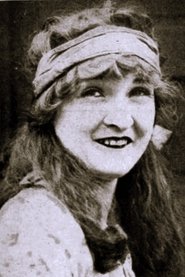
- The film is associated with Mary Pickford in some catalog records, though surviving records are sparse and cast documentation may vary across sources.
- The film is considered a vintage silent comedy, so any original musical accompaniment would have been supplied live in theaters rather than recorded with the film.
- Like many 1918 shorts and features, it appears to survive primarily through archival references and database listings rather than widely circulating prints.
- The presence of both a soldier and a sailor in the plot is a common wartime-comedy device, contrasting service branches for comic and romantic effect.
- The story’s premise depends on the social ritual of the ball and the symbolic value of buying a bond, making it a period-specific artifact of wartime American culture.
What Critics Said
Contemporary critical reception is not well documented in surviving mainstream review archives, and detailed modern scholarly criticism of the film is limited because the title is obscure and documentation is fragmentary. As with many short silent comedies of the period, it was likely reviewed in trade publications according to its appeal, pacing, and topicality rather than by later auteur standards. In modern film history, the work is mainly noted by catalogs, databases, and archival references rather than through extensive critical reassessment. Its reputation today is therefore primarily historical rather than canonical, valued more for context than for a widely discussed aesthetic legacy.
What Audiences Thought
Audience reception cannot be reconstructed in detail from the surviving record, but the premise suggests it was designed to appeal to contemporary viewers familiar with Liberty Bond drives and wartime social events. The use of soldier-and-sailor comic types would likely have resonated with audiences seeking light, patriotic entertainment during a serious period. Films like this generally depended on broad accessibility, topical recognition, and brisk comedic payoff, making them well suited to mixed urban and small-town theater audiences. Because the film is obscure today, later audience awareness is limited largely to historians, archive users, and classic-film enthusiasts.
Film Connections
Influenced By
- World War I Liberty Loan campaigns and patriotic home-front entertainment
- Silent-era romantic comedy conventions
- Vaudeville-influenced comic timing and broad character types
This Film Influenced
- Other wartime patriotic comedies of the late silent era
- Home-front romance films that blend civic duty with courtship
You Might Also Like
More Comedy Films
View allMore from Arthur Rosson
View allFilm Restoration
Preservation status is unclear from readily available surviving documentation; the film appears to be rare and may survive only in limited archival references, with no widely known restored version in circulation.