1913 · Approximately 1 reel, about 10-15 minutes

Also available on: YouTube
The Spirit of the Flag

The Spirit of the Flag

1913 Approximately 1 reel, about 10-15 minutes United States
Patriotism and civic dutyMasculine leadership and manhoodRomance shaped by sacrificeAmerican colonialism and imperial authorityCivilizing mission and social discipline

Plot

Dr. Reid, a young American physician working in the Philippines, becomes convinced that civic virtue and patriotic discipline can be encouraged among the local population through organized drilling and military-style instruction. He requests discarded Winchesters from the War Department and uses them to train the natives under his care, hoping to cultivate what he sees as a stronger spirit of citizenship and manhood. The plan draws him into direct conflict with the Spanish forces occupying the region, placing his life and mission in danger. As the danger escalates, Dr. Reid’s courage, devotion to duty, and idealism are tested, while his relationship with the woman he loves develops alongside the conflict. The film resolves with Reid surviving the ordeal and ultimately winning the affection of the girl of his choice, linking patriotic sacrifice to romantic fulfillment.

About the Production

Release Date 1913
Production American Film Manufacturing Company
Filmed In Likely American Film Manufacturing Company production facilities in California; specific shooting locations are not documented in surviving sources

The Spirit of the Flag was produced during the rapid, highly experimental early years of American feature filmmaking, when many films were mounted quickly and released through states-rights or local distribution patterns. Surviving documentation on the production is sparse, so precise behind-the-scenes details such as budget, exact set construction, or location shooting are not well recorded in modern reference sources. Allan Dwan was a prolific director known for efficient production methods, and this film fits the pattern of compact, topical dramatic pictures made to capitalize on current patriotic and adventure themes. The film’s Philippine setting was almost certainly represented through studio-built or California-based stand-ins rather than on-location shooting in the islands.

Historical Background

The Spirit of the Flag was made in 1913, at a moment when the United States was expanding its film industry at extraordinary speed and silent cinema was becoming a major national entertainment form. Internationally, the world was on the eve of World War I, and American films of this period often dramatized patriotism, military service, and the civilizing mission through colonial or semi-colonial settings. The Philippines remained a politically charged subject in American popular culture after the Spanish-American War and the Philippine-American War, and cinema frequently used the islands as a backdrop for adventure, romance, and imperial self-congratulation. This film matters as a small but revealing example of how early Hollywood stories linked masculinity, nationhood, and romantic reward, offering a window into the values and assumptions of pre-feature-era American melodrama.

Why This Film Matters

Although not a famous title, The Spirit of the Flag is culturally significant as an example of how early American cinema naturalized patriotic ideology through popular entertainment. The film’s narrative ties together military discipline, moral leadership, romantic victory, and American authority abroad, showing how silent-era films could reinforce contemporary ideas about national identity and global power. It also illustrates Allan Dwan’s importance as an early filmmaker who helped shape the grammar of American screen storytelling across genres. For historians, the film is valuable less for celebrity status than for what it reveals about the ideological currents of the 1910s: colonial attitudes, civic uplift, and the cinematic celebration of masculine heroism.

Making Of

Very little survives in the historical record about the making of The Spirit of the Flag beyond its credited director, cast, and broad plot outline. Like many 1913 productions from the American Film Manufacturing Company, it was likely made quickly with modest resources and released as part of a steady stream of short films designed to satisfy nickelodeon and small-theater audiences. Allan Dwan was known for his practical approach and ability to stage action economically, which would have suited a story involving military tension, colonial settings, and melodramatic romance. The Philippine backdrop and Spanish military conflict were probably suggested through conventional studio staging, stock costume elements, and suggestive intertitles rather than elaborate location realism. Because the film is from such an early period, there is no widely documented production controversy, but its nationalist framing reflects the era’s prevailing assumptions about American expansion, civic duty, and the moralizing role of cinema.

Visual Style

No detailed cinematographer credit is reliably documented here in the available summary data, and specific technical camera information has not survived in widely cited sources. Visually, a 1913 American short of this kind would likely have used static or minimally mobile cameras, tableau-like staging, and straightforward parallel construction to convey action and romance efficiently. The colonial and military material would have depended on strong costume contrasts, recognizable props such as rifles and uniforms, and intertitles to clarify plot developments. Any visual appeal would have come from cleanly staged melodramatic compositions rather than elaborate camera movement or complex lighting effects.

Innovations

The film does not appear to be associated with major technical innovations, but it is representative of the efficient storytelling techniques developing in early American cinema. Its likely achievements are narrative rather than technological: compressing a patriotic romance and military conflict into a short running time, using clear visual shorthand for setting and political tension, and integrating action with sentimental resolution. In the context of 1913, this kind of compact dramatic construction was itself part of the medium’s evolution toward more sophisticated feature-length storytelling. Its value lies in demonstrating how early filmmakers handled complex ideological material within the constraints of a one-reel format.

Music

As a silent film, The Spirit of the Flag originally had no synchronized recorded soundtrack. It would have been exhibited with live musical accompaniment, typically a pianist, organist, or small ensemble depending on the theater, with music selected to match romance, suspense, and patriotic action. No original cue sheet or composer is widely documented in surviving reference materials. Modern presentations, if any, would rely on accompanists or reconstructed silent-film scores tailored to the film’s dramatic tone.

Famous Quotes

No verified surviving dialogue or intertitles are widely documented in accessible sources for this film.
As a silent film, any quotable lines would have depended on intertitles that are not consistently preserved in modern references.

Memorable Scenes

  • Dr. Reid requests discarded Winchesters from the War Department and uses them to drill the natives, establishing his blend of idealism and military-minded civic instruction.
  • The confrontation with the Spanish army, which turns Reid’s patriotic project into a life-threatening conflict.
  • The romantic resolution in which Reid’s bravery and commitment help him win the love of the woman he desires.

Did You Know?

  • The film was directed by Allan Dwan, one of the most prolific directors of the silent era and a major craftsman in early American cinema.
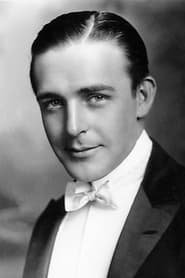
  • Wallace Reid appears in one of his early screen roles, well before he became a major Paramount star in the 1910s and early 1920s.
  • The story is set in the Philippines, reflecting the period’s American fascination with imperial, colonial, and military-adventure narratives after the Spanish-American War.
  • The plot’s use of discarded Winchesters as a training device is emblematic of early cinema’s fondness for patriotic melodrama and masculine uplift stories.
  • The film was released in 1913, a transitional period when one-reel dramas were still common but longer feature storytelling was rapidly emerging.
  • Because the film is so early, surviving materials and detailed contemporary reviews are limited compared with later silent features.
  • It is associated with the American Film Manufacturing Company, commonly known as the American company, one of the prominent early West Coast studios.
  • The film mixes romance, military adventure, and colonial conflict, a combination frequently seen in pre-World War I American silent dramas.
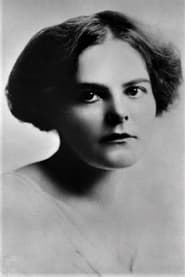
  • Jessalyn Van Trump and Pauline Bush were among the many actresses who worked regularly in early West Coast productions but are less known today because so much of their work has been lost or poorly documented.
  • The title suggests a strongly patriotic message, which was a popular selling point in American cinema on the eve of World War I.

What Critics Said

Contemporary critical documentation for The Spirit of the Flag is limited, and it does not appear to have generated the kind of extensive trade commentary preserved for major feature releases. As a one-reel drama, it was likely reviewed, if at all, in brief notices emphasizing its patriotic plot, action, and sentiment rather than detailed aesthetic analysis. In later film scholarship, it is primarily of interest as an early Allan Dwan title and as part of Wallace Reid’s formative screen work, rather than as a canonical silent classic. Modern reception is therefore largely archival and historical: the film is studied for what it shows about early 20th-century storytelling, not for a body of criticism addressing its artistry in the way later surviving features have received.

What Audiences Thought

There is no surviving evidence of audience reaction on a broad, quantified scale, which is typical for many short silent-era films. At the time of release, audiences for such pictures generally responded to clear melodramatic stakes, romance, action, and patriotic sentiment, all of which this film supplied. The combination of a physician-hero, colonial conflict, and a love story would likely have been accessible and appealing to nickelodeon audiences seeking brisk, emotionally legible entertainment. Because the film is now obscure and likely inaccessible to most viewers, present-day audience reception is effectively limited to scholars, archivists, and silent-film enthusiasts.

Film Connections

Influenced By

  • Late 19th- and early 20th-century patriotic melodramas
  • Spanish-American War and Philippine conflict narratives in popular fiction
  • American reform and uplift narratives about citizenship and discipline
  • Early silent adventure-romance shorts

This Film Influenced

  • Later patriotic adventure shorts and features of the 1910s
  • Colonial romance dramas set in the Philippines or similar imperial settings
  • Allan Dwan’s later action and melodramatic filmmaking

Film Restoration

The preservation status is uncertain in widely accessible modern references; no extant print is prominently documented in standard public databases, so the film may be lost or only partially surviving in archival holdings. Because documentation is sparse, it should be treated as a rare early silent title unless an archive confirms a surviving element.

Themes & Topics

PhilippinesphysicianpatriotismSpanish armyromancemilitary drillcolonial conflictheroic sacrifice