1922 · Approximately 20 minutes

Also available on: Archive.org
A Trip to Paramountown

A Trip to Paramountown

1922 Approximately 20 minutes United States
Hollywood self-promotionCelebrity cultureThe filmmaking processIndustrial modernityBehind-the-scenes spectacle

Plot

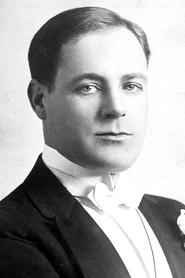
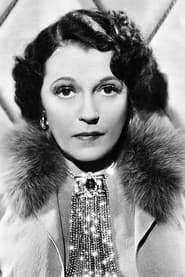
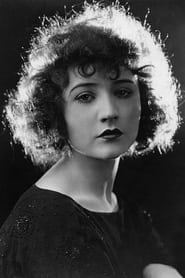
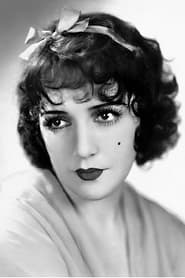
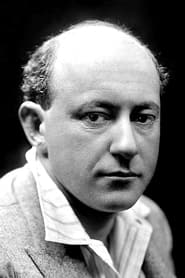
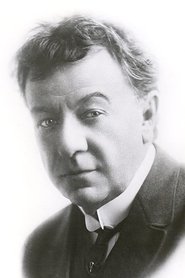
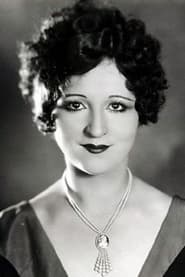
A Trip to Paramountown is a short documentary that presents a behind-the-scenes tour of Paramount Studios in Hollywood at the height of the silent era. Rather than following a fictional narrative, the film showcases the daily activity of a major studio lot, giving audiences a guided glimpse of sets, production spaces, and the working environment where Paramount's silent pictures were being made. Candid appearances by well-known performers such as T. Roy Barnes, Alice Brady, and Betty Compson help turn the film into both a studio promotional piece and a time capsule of early Hollywood celebrity culture. The film’s appeal lies in its mixture of novelty, access, and star recognition, allowing viewers of the period to feel as if they are stepping inside the glamorous machinery of moviemaking itself.

About the Production

Release Date 1922
Production Paramount Pictures
Filmed In Paramount Studios, Hollywood, Los Angeles, California, USA

This was produced as a studio documentary short rather than a theatrical feature, and it functioned largely as a promotional showcase for Paramount’s production facilities and contract stars. Because it was made in the silent era, the film relies on visual demonstration and intertitles rather than synchronized dialogue, and its value today is as much historical as entertainment-oriented. The film is notable for its candid, observational style, capturing actors and crew in an active studio environment instead of staging a conventional narrative. Precise budget, box office, and many day-to-day production details have not been reliably documented in surviving sources.

Historical Background

The film was produced in 1922, at a time when Hollywood was consolidating its power as the center of American popular entertainment and the studio system was becoming increasingly organized and vertically integrated. Paramount was one of the most important companies in the industry, and studio-produced promotional films helped reinforce both its prestige and its public identity. In the silent era, documentary shorts about film production also served an educational and promotional function, showing audiences how motion pictures were made while strengthening the aura of celebrity surrounding studio players. The film matters historically because it preserves an early view of Hollywood labor, studio architecture, and the self-conscious presentation of movie production as spectacle. It also reflects the industry’s growing awareness that audiences were interested not just in finished films but in the process and personalities behind them.

Why This Film Matters

A Trip to Paramountown is culturally significant as an early example of a studio using documentary form to shape public perception of itself. Long before making-of features and behind-the-scenes extras became common, films like this helped construct the mythology of Hollywood as a glamorous, busy, and seemingly accessible world. The film is also valuable as a visual record of silent-era screen culture, preserving stars and studio spaces that would otherwise be known only through still photographs and trade descriptions. For historians, it illustrates how movie companies transformed industrial processes into entertainment, turning the act of filmmaking into a subject worthy of exhibition. Its significance today lies less in broad popular recognition than in its documentary value for film scholarship and archival study.

Making Of

A Trip to Paramountown was made during a period when major studios increasingly recognized the value of self-promotion and industrial mythmaking. By inviting audiences into the studio environment, Paramount could showcase not only its stars but also the scale, efficiency, and glamour of its production operation. The film appears to have been assembled as a controlled tour of the studio lot, with performers such as Alice Brady and Betty Compson serving as recognizable faces that would draw attention to the company’s roster. Because documentary shorts of this type were often made quickly and intended as promotional materials, the film likely involved comparatively light production logistics but substantial planning in terms of what parts of the studio would be shown and which stars would be featured. Surviving information is limited, so many specifics about shooting schedule, crew participation, and editing process remain undocumented in readily available sources.

Visual Style

The cinematography is best understood as functional documentary filmmaking of the silent era, emphasizing clear visual coverage over stylized composition. Camera placement would have been chosen to capture studio activity, actors at work, and the physical environment of Paramount’s facilities in a legible and engaging manner. Since the film is a studio tour documentary, the visual style likely balances candid-seeming observation with controlled staging, allowing the studio to present itself in the most attractive possible light. The result is a form of visual record that is simple in technique but rich in historical detail, especially for viewers interested in early Hollywood production spaces.

Innovations

The film’s main technical achievement lies in using documentary cinema to transform a studio environment into an exhibit of itself. While not an innovation in the sense of introducing new camera technology, it demonstrates the early sophistication of studio publicity filmmaking and the ability of silent cinema to communicate industrial process visually. It likely required careful coordination of personnel and settings to ensure that the studio appeared active, glamorous, and orderly on screen. As a historical document, its real achievement is preserving moving images of Paramount’s production culture in a period when relatively few behind-the-scenes films were made for public exhibition.

Music

As a silent film, A Trip to Paramountown did not have a synchronized recorded soundtrack. Like most films of its kind, it would have been shown with live musical accompaniment in theaters, with the specific music varying according to venue, house pianist, organist, or orchestra. No original score has been reliably documented in the surviving information available for the film. Any music associated with modern screenings would generally be a later archival accompaniment rather than a historically fixed soundtrack.

Memorable Scenes

  • The guided look at Paramount Studios itself, which functions as the film’s central attraction and historical record.
  • The candid appearances of prominent stars such as T. Roy Barnes, Alice Brady, and Betty Compson in a studio-working context.
  • The presentation of film production spaces and activity as a spectacle in their own right, turning the studio lot into the subject of the film.

Did You Know?

  • The film is a rare early studio documentary that opens a window onto the working culture of Hollywood during the silent era.
  • It is centered on Paramount Studios, which was one of the dominant American film companies of the 1920s.
  • The production helped publicize the studio’s stars and facilities at a time when the movie industry was increasingly reliant on star power and brand recognition.
  • Because it is a documentary short, it differs from most 1920s Paramount releases, which were fiction films designed for theatrical exhibition.
  • The film is often valued by historians for its glimpses of prominent silent-era performers in a more informal, behind-the-scenes setting.
  • Its surviving references emphasize the studio-tour aspect rather than a traditional plot, making it useful as a visual record of early production practices.
  • As with many shorts of the period, detailed documentation about crew credits and release pattern is limited compared with later studio-era feature films.
  • The title itself suggests a whimsical “trip” or tour, reinforcing its role as a guided promotional visit to the studio rather than a dramatic work.

What Critics Said

Contemporary critical response to the film is not extensively documented in surviving mainstream reviews, which is typical for short promotional documentaries of this era. Such films were often noted in trade publications more for their novelty, star appeal, and utility to exhibitors than for aesthetic innovation. In retrospect, modern historians tend to value the film as an important artifact rather than as a major artistic work, appreciating it for its rare documentary glimpse of Paramount at work. Today it is usually discussed within the context of silent-era studio publicity and the preservation of early Hollywood ephemera rather than within the canon of narrative cinema criticism.

What Audiences Thought

Audience reception is difficult to measure in detail because surviving exhibition records and audience commentaries are sparse. At the time, the film likely appealed to moviegoers who enjoyed seeing familiar stars in an informal setting and were curious about how films were made. As a studio tour, it would have offered novelty value and a sense of privileged access that could complement Paramount’s brand image. Modern audiences who encounter it today are usually scholars, silent-film enthusiasts, or archival viewers rather than general mainstream viewers, and they tend to respond to it as an intriguing historical curiosity.

Film Connections

Influenced By

  • Early studio promotional shorts
  • Travelogue documentaries
  • Behind-the-scenes film studio features
  • Silent-era industrial documentary traditions

This Film Influenced

  • Later studio publicity documentaries
  • Behind-the-scenes promotional shorts
  • Making-of featurettes

Film Restoration

The film is not widely documented as a complete, easily accessible mainstream title, and preservation details are limited in general-reference sources. It is best regarded as a rare archival silent short whose availability may depend on specialized film archives, research collections, or curated historical screenings. No widely cited modern restoration has been established in the general sources available here, but the film is evidently known enough to be cataloged in film databases and archival references.

Themes & Topics

studio tourParamount Studiossilent documentaryHollywood productioncandid stars