Battling Bosko
Plot
Bosko, the cheerful Warner Bros. cartoon star, enters a lively boxing match as a brave but decidedly undersized challenger taking on the fearsome champion Gas House Harry. The cartoon turns the fight into a barrage of gags, musical beats, and fast-motion slapstick as Bosko dodges, bounces, and improvises against an opponent whose size and strength make him overwhelming on paper. As the bout progresses, Bosko’s pluck and comic resourcefulness keep him in the contest even when the brute force of the champion seems impossible to overcome. The short builds to a spirited climax in which the underdog spirit matters as much as the actual result, with the comedy emphasizing rhythm, exaggeration, and the cartoon logic of physical punishment. Like many early Bosko cartoons, the film is less about a tightly serialized plot than about a succession of energetic set pieces built around music, motion, and personality-driven gags.
Director
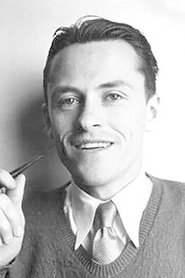
Hugh HarmanAbout the Production
Battling Bosko was produced during the early Leon Schlesinger era of Warner Bros. cartoons, when Hugh Harman and Rudolf Ising were defining the studio’s first recurring animated star. The short reflects the transitional period in which the Bosko series balanced synchronized music, rough-and-tumble comedy, and the still-developing visual language of sound-era animation. Some animation from the film was later reused in MGM’s Bosko cartoon Bosko's Parlor Pranks (1934), a common practice in early animation studios seeking to reduce production costs and speed up releases. Specific budget and box-office figures are not documented in standard reference sources, which is typical for short subjects of this period.
Historical Background
Battling Bosko was produced in 1932, in the middle of the Great Depression, when American moviegoing remained an affordable form of escapism and short subjects were a standard part of theatrical programs. The film belongs to the formative years of sound animation, when studios were still experimenting with how to integrate music, dialogue, and movement into a coherent comic style. Warner Bros. was building its cartoon division into a distinct brand, and Bosko was central to that effort as one of the first recurring animated stars to emerge from the sound era. The short also reflects the cultural popularity of boxing in the early 1930s, when prizefights were a major part of mass entertainment and frequently appeared in comedy, animation, and popular print culture. In a broader sense, the film captures the transitional aesthetics of early commercial animation: simpler designs, looping movement, musical choreography, and a reliance on broad physical humor.
Why This Film Matters
Although Battling Bosko is not among the most famous Warner Bros. cartoons, it is culturally significant as part of the Bosko cycle that helped establish the studio’s early animation identity. The short documents the evolution of screen cartoons from novelty pieces into recurring-character entertainment with recognizable stars and repeatable comic formulas. It also illustrates how animation studios of the early 1930s borrowed from live-action cultural trends, in this case boxing, to create accessible and timely humor for theatrical audiences. For animation historians, the film is important as a surviving example of the Harman-Ising/Warners period before the later revolution in cartoon personality animation associated with directors like Tex Avery and Chuck Jones. Its reuse of footage in a later MGM cartoon also makes it a useful artifact for studying production practices in early studio animation.
Making Of
Battling Bosko was made at a time when Harman and Ising were refining the Bosko character for Warner Bros. after the advent of synchronized sound had transformed animated filmmaking. The production likely used the efficient, repeatable methods typical of early 1930s cartoon units: storyboards or loose story sketches, character animation built around musical timing, and a strong dependence on gag construction rather than detailed continuity. Like many shorts from the era, it also shows how studios reused footage across multiple cartoons, a practical approach that helped meet release schedules and control costs. The boxing theme gave the animators an ideal framework for exaggeration, squash-and-stretch effects, and rapid timing changes that could be synchronized to music and punchline gags.
Visual Style
As an animated short, Battling Bosko does not use cinematography in the live-action sense, but its visual style reflects the early 1930s cartoon camera grammar: flat staging, bold character silhouettes, and a strong emphasis on timing over depth. The short likely uses simple, direct framing that keeps the action readable during fast-paced boxing gags and musical synchronization. Early Bosko cartoons often favored rhythmic motion and elastic transforms, with the camera serving primarily as a fixed audience viewpoint onto a comic performance space. The visual interest comes from the animators’ timing, pose-to-pose exaggeration, and the contrast between Bosko’s small frame and the champion’s towering physical presence.
Innovations
The short’s main achievement lies in its early sound-cartoon timing: the integration of action, music, and comedic rhythm into a tightly timed theatrical short. It demonstrates the developing sophistication of synchronized animation in the early 1930s, when studios were learning how to make gags land precisely against musical cues. The reuse of animation in a later film also highlights an early studio production technique that helped maximize the value of completed footage. While not a landmark of technological innovation on the level of later color or multichannel sound advances, it is a useful example of efficient early studio animation craft.
Music
The film is built around the musical-and-comic sound style characteristic of early Warner Bros. cartoons, where the score and effects are closely synchronized with movement and gags. Like many shorts from this period, the music functions as both accompaniment and punctuation, reinforcing punches, dodges, reactions, and comedic beats. Exact composer credits are not firmly documented in the source materials available here, but the film belongs to the broader Harman-Ising/Warner sound-cartoon tradition shaped by the studio’s early music-driven approach. The soundtrack would have been an essential storytelling device, helping structure the boxing sequence and keep the action lively for theatrical audiences.
Famous Quotes
No widely documented spoken quotes are reliably preserved for this short.
As an early animated short, its humor is primarily visual and musical rather than quote-driven.
Memorable Scenes
- Bosko facing off against the massive champion Gas House Harry in a classic underdog boxing setup.
- The rapid-fire slapstick exchange of blows and evasive maneuvers that turns the ring into a comic playground.
- The climactic sequence in which Bosko’s persistence and cartoon logic keep him in the fight despite the champion’s overwhelming size.
Did You Know?
- This is a pre-Code theatrical cartoon released during the early 1930s, when animated shorts often relied on musical synchronization and physical comedy rather than dialogue-heavy plotting.
- Bosko was one of Warner Bros.' first major cartoon stars before the studio shifted toward later characters such as Porky Pig, Daffy Duck, and Bugs Bunny.
- The film was directed by Hugh Harman, one of the key creators behind Bosko and an important figure in early sound animation.
- The boxing premise fits a recurring cartoon tradition of turning sports into exaggerated slapstick set pieces, allowing animators to showcase elastic body motion and rhythmic gags.
- Animation from Battling Bosko was later recycled in Bosko's Parlor Pranks (1934), illustrating how early animated shorts were frequently cannibalized for production efficiency.
- The short is part of the Warner Bros. cartoon output associated with the Harman-Ising studio before the wider development of the Merrie Melodies and Looney Tunes identity.
- Rochelle Hudson and Johnny Murray are associated with the film’s cast information in database records, though the short is primarily an animated production rather than a live-action feature.
- Because it is a short cartoon from 1932, the film survives mainly as an archival and historical item rather than as a widely circulated mainstream title.
- Early Bosko cartoons often combined music, dialect comedy, and anthropomorphic action, making them especially revealing of the period’s animation style and popular entertainment conventions.
- The title Battling Bosko underscores the era’s fondness for boxing imagery, an especially common motif during the Depression years when prizefighting was a culturally resonant spectacle.
What Critics Said
Contemporary reviews specific to Battling Bosko are not widely preserved in mainstream reference sources, which is common for animated shorts from the era. In its own time, however, Bosko cartoons were generally regarded as energetic and technically competent examples of the new sound cartoon form, especially for their musical integration and brisk slapstick pacing. Modern critical attention tends to be historical rather than evaluative: scholars and animation historians view the short as part of the early Warner Bros. cartoon canon and as evidence of the studio’s developing style. Today it is appreciated more for its archival and historical value than for being a particularly celebrated individual entry in the Bosko series.
What Audiences Thought
Audience reception data for the short is not available in detailed box-office form, as theatrical cartoons were distributed as supporting shorts rather than ticketed features. At the time, cartoons like Battling Bosko were designed to please general movie audiences with quick comedy, music, and familiar character antics between the main feature and newsreel or other shorts. The boxing premise and underdog humor would likely have been immediately legible and entertaining to Depression-era audiences. Modern audiences, especially animation enthusiasts, tend to view it as an interesting early chapter in Warner Bros. cartoon history rather than as a widely known mainstream favorite.
Film Connections
Influenced By
- Early theatrical boxing comedies
- Vaudeville slapstick traditions
- Silent-era animated gag shorts
- Early sound-era musical cartoons
This Film Influenced
- Bosko's Parlor Pranks (1934)
- Later Warner Bros. and MGM cartoon shorts that reused the boxing-and-slapstick formula
You Might Also Like
More Comedy Films
View allMore from Hugh Harman
View allFilm Restoration
The film is preserved and known through surviving archival copies and historical circulation in classic cartoon collections. It is not considered lost, though access may be limited to archive holdings, curated home-video releases, or public-domain-style transfers depending on the source.