1921 · Approximately 60 minutes

Also available on: YouTube
Beau Revel

Beau Revel

1921 Approximately 60 minutes United States
Paternal control and emotional manipulationRomantic double standardsClass prejudice and social respectabilityDesire versus moral judgmentThe limits of charm and male privilege

Plot

Lawrence "Beau" Revel is a polished, admired man-about-town whose reputation for romantic conquest has made him a fixture in society circles, but his deepest devotion is reserved for his son, Dick. When Dick announces his intention to marry Nellie, a cabaret dancer whom Beau considers unsuitable, Beau tries to protect his son by asking him to stay away from her for two weeks in the hope that the relationship will cool. The plan backfires in a quietly ironic way: Beau himself becomes attracted to Nellie and begins to court her, only to discover that his own attentions are not welcomed. As the situation develops, Beau is forced to confront the consequences of his manipulative test and the double standard behind his assumptions about love, class, and respectability. The story resolves as a moral melodrama centered on paternal pride, romantic vanity, and the painful recognition that genuine feeling cannot be controlled by social status or charm.

About the Production

Release Date 1921
Production Paramount Pictures, Cecil B. DeMille Pictures Corporation
Filmed In United States, Paramount studio production facilities in California

Beau Revel was produced as a star-driven silent melodrama for Paramount in the early 1920s, during the period when the studio was building prestige features around established screen names and sophisticated domestic stories. The film was directed by John Griffith Wray and photographed in the visual style associated with early-1920s studio melodrama, with emphasis on expressive close-ups, elegant interiors, and the social contrast between fashionable high society and the cabaret world. Like many productions of its era, it was built around a compact dramatic premise rather than large-scale spectacle, relying on performance and moral tension rather than elaborate set pieces. No reliable surviving records for budget, box office, or exact shooting schedule are readily available in standard reference sources.

Historical Background

Beau Revel was released in 1921, a transitional moment in American culture following World War I, when film narratives frequently reflected tensions between old social codes and newer, more modern ideas about romance, gender, and urban life. The early 1920s were also a period of rapid expansion for the Hollywood studio system, with Paramount emerging as one of the most powerful distributors and producers in the country. Silent melodramas like this one often explored class distinctions, the prestige of respectability, and anxieties surrounding women who worked in nightlife settings such as cabarets and dance halls. The film matters historically as an example of how mainstream American cinema packaged moral conflict and social aspiration into compact star vehicles during the silent era.

Why This Film Matters

Although not among the most famous silent films, Beau Revel is culturally significant as a representative example of early 1920s melodrama built around elite social behavior, father-son tension, and the era's fascination with female independence tempered by moral judgment. The story reflects the period's persistent double standards, in which a socially admired man may be forgiven romantic excess while a woman working in a cabaret is treated as suspect. That dynamic makes the film useful for understanding how mainstream cinema encoded class prejudice and gendered morality for mass audiences. It also illustrates the kind of star-centered storytelling that helped define silent-era Hollywood, especially in prestige productions distributed by major studios like Paramount.

Making Of

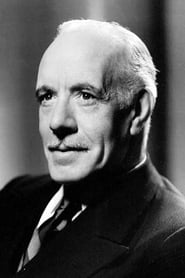
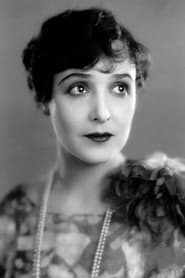
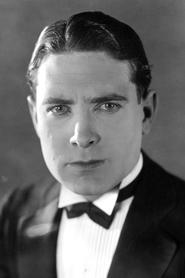
Beau Revel was made in an era when silent studio productions were often tailored to the personalities of their stars, and the casting of Lewis Stone, Florence Vidor, and Lloyd Hughes suggests a deliberate effort to present the material as an elegant melodrama rather than a sensational romance. The film was directed by John Griffith Wray, who was active during a formative phase of the classical Hollywood system, when directors were expected to work efficiently within tightly controlled studio production methods. As with many Paramount releases from the early 1920s, the picture likely depended on a polished visual presentation, carefully staged interior scenes, and intertitles that balanced wit with emotional clarity. Detailed production anecdotes have not survived widely in accessible reference sources, but the film belongs to the well-documented studio tradition of adapting socially charged melodramas for popular consumption.

Visual Style

The film's cinematography would have been shaped by the expressive conventions of early-1920s silent filmmaking, where visual storytelling had to carry the emotional weight of the narrative without synchronized dialogue. The likely emphasis was on elegant framing, controlled lighting, and close-ups that highlighted the social poise of the characters and the emotional shifts within the central triangle. As a Paramount prestige drama, it probably used polished studio sets to contrast the refined world of Beau Revel with the more bohemian cabaret environment associated with Nellie. Surviving detailed shot analyses are scarce, but the film belongs to the visually disciplined style common to well-financed silent melodramas of the period.

Innovations

Beau Revel does not appear to be associated with major technical innovations. Its importance lies more in classical silent-era storytelling, studio polish, and performance-driven melodrama than in special effects or experimental technique. The film likely exemplifies efficient continuity editing, expressive title cards, and visual contrast between different social spaces, all standard but important practices in early Hollywood. For historians, its technical interest is in what it reveals about mainstream studio craftsmanship in the years before sound cinema.

Music

As a silent film, Beau Revel would originally have been accompanied in theaters by live music, typically a house pianist, organist, or small orchestra depending on the venue. No surviving original score or officially documented cue sheet is widely referenced in standard modern sources. Musical accompaniment would have been chosen to support the film's emotional shifts, romantic scenes, and dramatic reversals. Any contemporary presentation today would likely use a reconstructed or newly commissioned silent-film score if the film is screened at all.

Famous Quotes

No widely documented surviving dialogue quotes are readily available for this silent film.
Any original intertitles are not comprehensively preserved in modern reference sources.

Memorable Scenes

  • Beau Revel's attempt to test his son by asking him to stay away from Nellie for two weeks, a choice that sets the central irony in motion.
  • The reversal in which Beau himself becomes romantically interested in Nellie, exposing his vanity and hypocrisy.
  • Nellie's refusal of Beau's attentions, which provides the film's emotional and moral turning point.

Did You Know?

  • The film is a silent-era Paramount drama made during the peak of Lewis Stone's early screen fame as a polished leading man.
  • Florence Vidor was one of the most prominent actresses in the 1920s and was frequently cast in roles combining elegance with emotional restraint.
  • The title character, Lawrence Revel, is described as a society favorite and romantic sophisticate, a role type common in post-World War I melodramas about changing social morals.
  • The film was directed by John Griffith Wray, who worked on several early-1920s features before dying young in 1925.
  • The story uses a familiar silent-film trope: a wealthy or socially prominent man attempts to judge a woman's worth, only to be caught by his own attraction.
  • Because it is a silent film from the 1920s, surviving documentation is limited, and many period reviews, advertisements, and production details are not consistently preserved in modern databases.
  • The film's plot centers on a cabaret dancer, a character type that often signaled modernity, urban nightlife, and moral ambiguity in silent-era American cinema.
  • It is part of the period when Paramount and associated DeMille productions were packaging sophisticated melodramas for middle-class audiences who enjoyed stories of romance, temptation, and social conflict.

What Critics Said

Contemporary critical reception is not extensively documented in the surviving mainstream reference material available today, and detailed consensus reviews are difficult to reconstruct. As a silent-era studio melodrama, it was likely reviewed in trade and newspaper outlets primarily as a polished entertainment vehicle for its stars rather than as a major artistic landmark. In modern historical terms, the film is generally of interest to archivists and silent-cinema researchers for its cast, studio pedigree, and melodramatic theme rather than for a reputation that has remained in the public conversation. Because surviving prints and accessible scholarship are limited, later critical evaluation tends to be sparse and often depends on filmography listings rather than sustained reassessment.

What Audiences Thought

Audience response is not well preserved in the surviving record, which is common for many early silent features that did not generate the long-lasting box-office lore associated with major hits. Given the prominence of Lewis Stone and Florence Vidor, the film likely drew viewers who appreciated sophisticated romantic drama and studio-produced society stories. The premise would have appealed to audiences interested in moral conflict, fashionable settings, and the emotional reversals typical of silent melodrama. However, no reliable aggregated audience metrics survive from the period, so any precise claims about popularity would be speculative.

Film Connections

Influenced By

  • Stage melodrama and early twentieth-century domestic drama
  • Popular magazine fiction about society, romance, and moral conflict
  • Silent-era society pictures and moralized romance narratives common at Paramount

This Film Influenced

  • No clearly documented direct influences are readily established from surviving reference sources

Film Restoration

Survival status is uncertain in readily accessible modern reference sources; the film may be incomplete or effectively lost to general circulation, as is the case with many silent features from the early 1920s.

Themes & Topics