1930 · 6 minutes

Also available on: Wikimedia
Congo Jazz

Congo Jazz

1930 6 minutes United States
Music as transformationComedy through synchronizationThe jungle as a fantasy stageAdventure turned into performanceEarly sound-era novelty

Plot

Bosko heads into the jungle on a hunting excursion, armed with his characteristic energy and comic confidence, but the expected safari adventure quickly turns into a musical free-for-all. Instead of a conventional hunt, the short turns into a series of encounters with animals that respond to Bosko less as prey than as performance partners, and the jungle environment becomes a stage for rhythm, improvisation, and slapstick. As the story unfolds, Bosko discovers that the creatures around him can be coaxed into making music, and the hunting premise gives way to a comic jam session built out of visual gags and synchronized sound. The short ends with the idea that music, not violence, is the real outcome of the expedition, with Bosko effectively transforming the jungle into a playful concert space.

About the Production

Release Date 1930-09-06
Production Warner Bros. Pictures, Leon Schlesinger Productions
Filmed In Hollywood, California, USA

Congo Jazz was made during the earliest period of the Looney Tunes series, when Bosko was being developed as Warner Bros.' first recurring animated star. Like many early sound cartoons from the studio, it was designed around musical timing, rhythmic gags, and synchronized action rather than narrative complexity. The short reflects the transitional era of 1930 animation, when theatrical cartoons were still heavily influenced by vaudeville, musical revue, and novelty sound effects. Surviving documentation on the exact day-to-day production is limited, but the film is associated with Hugh Harman's early black-and-white Looney Tunes output and the studio's experimentation with sound-driven jungle comedy.

Historical Background

Congo Jazz was released in 1930, at the dawn of the sound-film era and only a short time after synchronized sound cartoons had become commercially viable. Warner Bros. was aggressively building its animation department, and cartoons like this were part of the studio's effort to capitalize on musical novelty while the public was still fascinated by talking pictures and synchronized accompaniment. The film also emerged during a period when American popular entertainment frequently used jungle, exotica, and jazz imagery as shorthand for modernity and spectacle, even when those depictions were highly stylized and culturally simplistic. As a result, the short is historically significant both as an early sound cartoon and as a document of the entertainment conventions, stereotypes, and musical fashions of its time.

Why This Film Matters

Congo Jazz matters primarily as an artifact of early Warner Bros. animation and the development of Bosko as an animated star. It demonstrates how early cartoons used music not just as background, but as the organizing principle of comic storytelling, helping establish a template that would influence later Looney Tunes shorts. The film is also culturally significant because it reflects the era's fascination with jazz as a modern, playful, and sometimes exoticized force in popular culture. For modern viewers and scholars, it is valuable less for fame than for what it reveals about the animation industry's early sound-era aesthetics, production practices, and social attitudes.

Making Of

The film belongs to the earliest phase of Leon Schlesinger's production for Warner Bros., when Hugh Harman and his collaborators were defining what Looney Tunes would become. Production was centered on maximizing the comic possibilities of synchronized sound, with musical beats and animal noises timed to action for comic effect. Bosko was still a relatively new screen personality, and the cartoons of this period often placed him in a variety of genre settings to see how audiences responded. Because the surviving historical record on individual cartoon productions from 1930 is limited, much of the behind-the-scenes story is inferred from the broader studio workflow: fast turnaround, economical animation, and a heavy dependence on music-driven gags.

Visual Style

As an animated short, Congo Jazz does not have cinematography in the live-action sense, but its visual style is shaped by early black-and-white animation techniques: simple character designs, economical staging, looping movement patterns, and strong emphasis on rhythmic timing. The jungle backgrounds function more as graphic and comedic spaces than as detailed environments, and the animation prioritizes synchronized action and visual punchlines over realism. Early 1930s animation often used broad gestures, repeated motion cycles, and musical cueing to keep production efficient while still delivering energetic movement. The result is a visually direct, performance-oriented style that reflects the technical limits and creative priorities of the period.

Innovations

The film's key technical achievement is its integration of synchronized sound, music, and animation at a time when that remained a relatively new and marketable innovation. It showcases early sound-cartoon timing, where movement and audio cues are interlocked to create comedy and rhythm. The short also reflects the industrial development of the Looney Tunes unit, which was refining efficient methods for producing sound-driven animated shorts on a regular schedule. While it does not introduce a landmark technical process on the scale of later animation innovations, it is representative of the early craftsmanship that made sound cartoons a major part of cinema programming.

Music

Music is central to Congo Jazz, and the title itself signals the short's emphasis on jazz-inflected performance. Like many early Looney Tunes cartoons, the score is built to support synchronized gags, with animal movements and Bosko's actions timed to musical accents. The soundtrack likely combines original scoring with the period's general jazz and novelty-music idiom, using sound effects, rhythmic motifs, and comic musical punctuation to drive the action. In early Warner Bros. cartoons, the score was not merely accompaniment but an active storytelling device, and this short follows that approach closely.

Famous Quotes

No verified dialogue quotes are widely documented for this short.
As an early sound cartoon, its appeal lies more in musical gags and effects than in memorable spoken lines.

Memorable Scenes

  • Bosko's jungle hunting premise quickly collapsing into a comic musical encounter with the animals.
  • The sequence in which the jungle creatures become part of the film's rhythmic, jazz-like performance.
  • The transformation of a supposedly dangerous expedition into a lighthearted sound-and-music spectacle.

Did You Know?

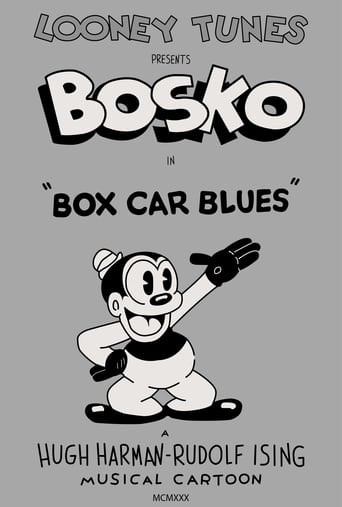
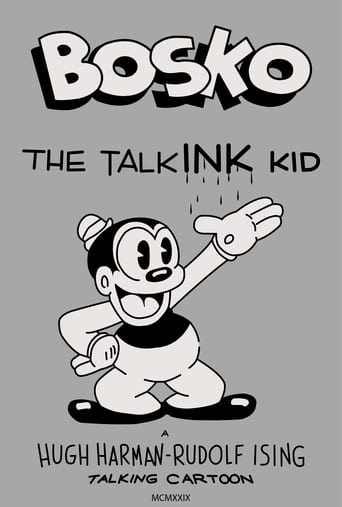
  • This short is one of the early Looney Tunes cartoons featuring Bosko, the studio's first major animated character.
  • Hugh Harman directed the film during the formative years of Warner Bros. animation.
  • The cartoon uses the jungle setting primarily as a musical playground rather than as a realistic adventure backdrop.
  • Like many early Bosko cartoons, it relies on race-and-jazz-era novelty entertainment conventions that are important to understand in historical context.
  • The film is part of the pre-Merrie Melodies era when Warner Bros. cartoons were still finding their style and identity.
  • Congo Jazz is a black-and-white animated short from the early sound era, when synchronization of music and action was a major selling point.
  • Bosko's character in these early cartoons is notably different from later Warner Bros. stars: he is a flexible, musical, vaudeville-style figure rather than a personality-driven wisecracker.
  • The short is often discussed by animation historians as an example of how early cartoons blended adventure, music, and comedy into a single novelty format.

What Critics Said

Contemporary reviews of individual early cartoon shorts like Congo Jazz are not as extensively documented as those for feature films, but the short would have been received in the context of general appreciation for sound cartoons as novelties and theatrical fillers. Modern critics and animation historians tend to evaluate it as an important historical artifact rather than a canonical masterpiece, noting both its lively musical invention and the dated cultural assumptions embedded in its jungle setting. Within the broader history of Looney Tunes, it is recognized as part of the experimental foundation that eventually led to the studio's later, more polished character comedy. Its reputation today is largely scholarly, tied to studies of Bosko and the evolution of early animated sound shorts.

What Audiences Thought

At the time of release, audiences for short cartoons generally responded to them as part of a theatrical program, and the main appeal of Congo Jazz would have been its synchronization, musical comedy, and novelty value. Early sound cartoons were a fresh attraction in 1930, and a short like this likely played well as light entertainment between live-action features. Modern audiences, if they encounter it, usually do so as part of classic-cartoon collections or animation history programming rather than as a mainstream title, and reactions may be mixed because of its age, primitive animation by later standards, and outdated cultural imagery. For enthusiasts of early animation, however, it remains a fascinating glimpse into the birth of the Looney Tunes style.

Film Connections

Influenced By

  • Vaudeville performance traditions
  • Early synchronized sound cartoons
  • Jazz-age popular entertainment
  • Silent-era slapstick comedy
  • Musical revue formats

This Film Influenced

  • Later Bosko Looney Tunes cartoons
  • Early Merrie Melodies shorts
  • Subsequent Warner Bros. music-driven animation
  • Later animated shorts that blend performance and slapstick

Film Restoration

The film is preserved and known through surviving prints and archival circulation; it is not generally regarded as lost.

Themes & Topics