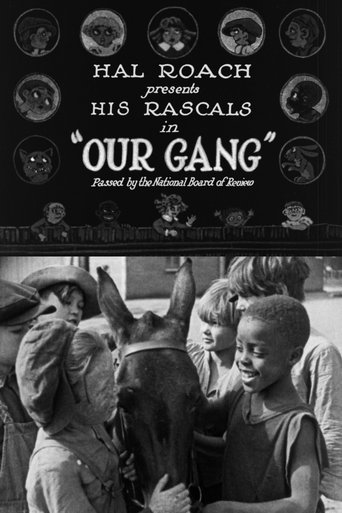
1923 · Approximately 20 minutes

Also available on: Archive.org
Derby Day

Derby Day

1923 Approximately 20 minutes United States
Childhood imitation of adult behaviorCompetition and playful rivalryThe comedy of social spectacleGroup mischief and teamworkClassical slapstick escalation

Plot

A gang of city kids goes to the horse races and becomes captivated by the excitement, pageantry, and rivalries of the track. Inspired by what they see, they decide to stage a derby of their own, turning ordinary childhood play into a full-scale comic imitation of the adult sporting world. Their improvised race quickly spirals into a series of gags, misunderstandings, and slapstick complications as the boys try to organize, compete, and outdo one another. As with many of the early "Our Gang" shorts, the story builds less around a single villain than around the children’s energetic personalities, their improvised schemes, and the comedy that comes from mimicking grown-up behavior.

About the Production

Release Date 1923
Production Hal Roach Studios
Filmed In Hal Roach Studios, Culver City, California

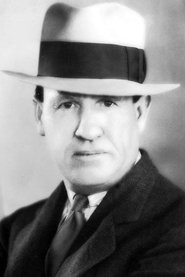
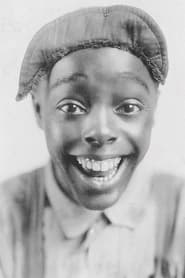
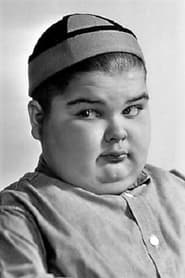
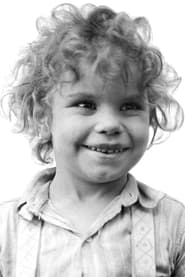
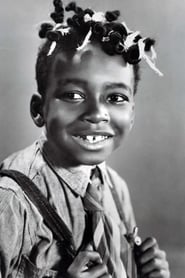
Derby Day was produced as one of the early silent Our Gang comedies under producer Hal Roach and director Robert F. McGowan, who helped define the series’ naturalistic child-centered style. Like other shorts in the series, it was built around a simple premise that allowed the children’s personalities, physical comedy, and spontaneous-looking reactions to carry the film. The known cast includes Sunshine Sammy Morrison, Joe Cobb, and Jackie Condon, figures associated with the earliest years of the series before the better-known later lineup appeared. As a 1923 silent short, it would have relied on visual gags, title cards, and tightly timed staging rather than dialogue-driven humor.

Historical Background

Derby Day was produced in 1923, during the height of the silent film era, when short comedies were a major part of theatrical programming and family audiences were accustomed to seeing brief comedic subjects before the feature. This was also a period when Hollywood studios like Hal Roach were experimenting with ensemble child comedies that treated children as a distinct comic world rather than miniature adults. The early 1920s were marked by rapid urbanization, the growth of mass entertainment, and a strong popular fascination with spectator sports, especially horse racing and other competitive spectacles. The film sits squarely within that cultural moment by turning the glamour and ritual of the racetrack into a playground for child imitation.

Why This Film Matters

Although Derby Day is a short, it is culturally significant as part of the formative early period of the Our Gang series, one of the most recognizable child-comedy franchises in American screen history. These films helped normalize the idea of ensemble child performers who could carry stories on their own terms, not merely as supporting characters in adult-centered narratives. The presence of Sunshine Sammy Morrison also gives the film historical importance in the context of African American representation in early Hollywood, though the series itself remains a subject of critical discussion for its era’s racial and social attitudes. The short contributes to the larger legacy of silent-era slapstick by showing how simple premises, carefully observed child behavior, and brisk visual humor could create enduring entertainment without dialogue.

Making Of

Derby Day was made at a time when Hal Roach’s comedies were being refined into a reliable formula that balanced childish mischief with carefully staged slapstick. Robert F. McGowan favored working closely with the children and encouraging behavior that felt natural rather than overly theatrical, a style that became central to the series’ enduring appeal. The early Our Gang shorts often used simple public-spectacle settings, such as fairs, races, or neighborhood games, because they provided an easy framework for comic imitation and escalation. Production likely depended heavily on the children’s timing and the editors’ ability to shape their reactions into coherent comic beats, which was especially important in a silent film where visual clarity was everything.

Visual Style

As a silent short comedy, Derby Day would have used straightforward studio cinematography designed for clarity, timing, and readable action. The visual style of early Our Gang films generally favored medium shots and clean framing so that the children’s physical business and group interactions remained easy to follow. Because the comedy depended on movement and reaction, the camerawork was likely restrained rather than flashy, with the staging doing most of the comic work. The film’s visual appeal would have come from active blocking, broad gestures, and the contrast between the formality of the horse-racing setting and the chaotic energy of the children.

Innovations

Derby Day does not appear to be associated with major technical innovations, but it is notable as part of the early refinement of silent short-comedy technique. Its achievements lie in economical storytelling, precise visual staging, and the ability to communicate a full comic premise with minimal narrative setup. The film demonstrates the series’ developing expertise in using ordinary situations as frameworks for child-driven chaos. In that sense, its technical importance is historical and stylistic rather than technological.

Music

The film was made as a silent production and originally would have been shown with live musical accompaniment in theaters. No original composed soundtrack is widely documented for the film, and surviving presentations would typically rely on historical silent-film scoring practices or later compilation accompaniments. As with many silent shorts, music would have been supplied by a theater pianist, organist, or small ensemble, with cue selection depending on the venue and exhibition practice. Any modern release may use an added preservation score rather than a historically verified original score.

Memorable Scenes

  • The gang’s visit to the horse races, where the excitement of the track sparks the story’s comic premise.
  • The children deciding to stage their own derby, transforming ordinary play into a parody of the adult sporting world.
  • The escalating chaos as the boys attempt to organize and compete in their improvised race.

Did You Know?

  • Derby Day is an early silent Our Gang short and belongs to the period when the series was still establishing its identity.
  • Robert F. McGowan was one of the key creative figures in shaping the series’ comic rhythm and child-centered approach.
  • Sunshine Sammy Morrison was one of the earliest prominent Black child performers in American cinema and part of the original Our Gang ensemble.
  • The film’s premise reflects a recurring Our Gang formula: children observing adult society and recreating it in exaggerated, comic form.
  • Horse-racing and derby imagery were popular comic subjects in the silent era because they translated well to visual slapstick.
  • The title is sometimes listed simply as Derby Day in film reference sources, and it should not be confused with later films of the same or similar name.
  • The short was made during the silent era, so any surviving version would have originally featured intertitles rather than synchronized sound.
  • Like many early Hal Roach shorts, it was produced economically and designed for fast theatrical programming in the short-subject market.
  • The film is part of the long-running lineage that later became famous worldwide under the title The Little Rascals.

What Critics Said

Contemporary reviews for many early Our Gang shorts were brief and often treated them as dependable program comedies rather than prestige releases, and specific surviving critical commentary on Derby Day appears limited. In retrospect, film historians value the short as an early example of the series’ developing formula and as part of Robert F. McGowan’s foundational work with the children. Modern criticism of the Our Gang series tends to be mixed in a broader sense: the shorts are admired for their energy, charm, and influence, while also being reassessed for racial imagery and the social assumptions of their era. Derby Day is generally discussed more by historians and archivists than by mainstream critics, but it is appreciated as a representative early entry in the franchise.

What Audiences Thought

There is little detailed audience-response documentation specific to this surviving early short, but the Our Gang films were broadly popular with theatergoers because they offered reliable family-friendly comedy. Audiences in the 1920s responded well to the series’ mixture of child mischief, recognizable social situations, and visual slapstick that could be understood without sound. The appeal of Derby Day would have come from the novelty of seeing children imitate the excitement of horse racing and from the familiar pleasure of watching the gang’s plans go wrong in amusing ways. As with many shorts of the era, audience appreciation was tied to the experience of seeing it as part of a larger program rather than as a standalone feature.

Film Connections

Influenced By

  • Vaudeville slapstick comedy
  • Silent-era Keystone-style comic pacing
  • Popular American fascination with horse racing and sporting spectacle
  • Early ensemble child comedies

This Film Influenced

  • Later Our Gang / The Little Rascals shorts
  • Subsequent ensemble child comedies that mixed realism with slapstick

Film Restoration

The film is believed to survive in at least some form through archival or collector-held prints, though availability may vary by source and quality. As with many silent shorts of the era, the surviving material may be incomplete, derived from later copies, or present in uneven condition. It is not generally treated as a lost film in standard film-reference usage, but a fully pristine restoration is not widely documented in mainstream sources.

Themes & Topics