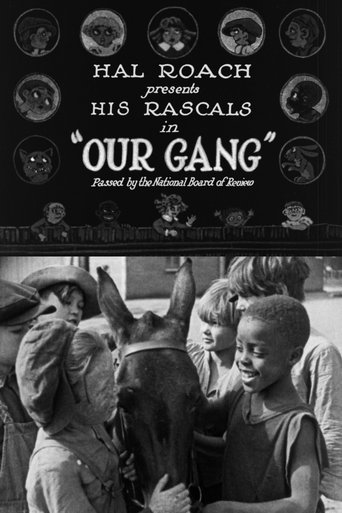
1923 · Approximately 20 minutes

Also available on: Archive.org
Giants vs. Yanks

Giants vs. Yanks

1923 Approximately 20 minutes United States
Childhood mischiefClass contrastAnarchy versus orderPlay as destructionTeamwork and group dynamics

Plot

After a baseball game is abruptly cut short, the gang from the "Our Gang" series finds itself swept into an unexpected adventure when the boys wind up quarantined in an elegant home. Rather than behaving as grateful guests, they quickly turn the house into a playground, testing every corner of the upscale surroundings with their usual chaotic blend of curiosity, mischief, and demolition. The contrast between the refined domestic setting and the children's unruly energy drives the comedy, as one prank leads into another and the home gradually falls victim to their exuberant destruction. As in many early Our Gang shorts, the humor comes from the children’s matter-of-fact treatment of adult spaces and rules, with the baseball setup providing only the loose springboard for the film’s comic mayhem.

About the Production

Release Date 1923
Production Hal Roach Studios
Filmed In Hal Roach Studios, Culver City, California

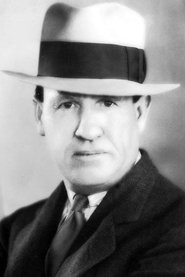
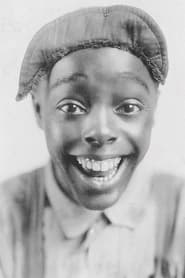
Giants vs. Yanks is an early silent entry in the Our Gang series, produced under Hal Roach’s supervision and directed by Robert F. McGowan, one of the key creative figures responsible for defining the series’ comic rhythm and child-centered tone. The film features Sunshine Sammy Morrison, one of the most important early members of the gang and a pioneering Black child performer in American cinema, whose presence in the series remains historically significant. Like many Our Gang shorts of the period, the film was built around a simple premise that allowed for improvisational-feeling slapstick, controlled chaos, and physical comedy inside carefully staged sets. Specific budget figures, box office receipts, and shooting dates are not readily documented in surviving standard references for this title.

Historical Background

This film was produced in 1923, during the height of the American silent film era, when short comedies were a major part of theatrical programs and studios routinely released two-reelers alongside features. The early 1920s were also a period of expansion for studio comedy units such as Hal Roach Studios, which became known for consistent, brand-name series like Our Gang, Laurel and Hardy, and other popular shorts. Socially, the film reflects an America fascinated by baseball, mass entertainment, and the antics of modern child culture, while also operating within the segregated and unequal racial realities of the period. Its importance today lies partly in what it reveals about 1920s comedy production, child stardom, and the ways silent-era popular culture represented childhood, class, and race.

Why This Film Matters

Giants vs. Yanks is culturally significant as an early example of the Our Gang formula that would become one of the most recognizable in American comedy history. The series was unusual for focusing on children as the primary comic agents and for presenting them in loosely democratic group dynamics rather than as miniature versions of adults. The film also holds value in discussions of Black representation in early Hollywood because Sunshine Sammy Morrison was one of the first Black child stars to appear prominently in a nationally distributed film series. While the comedy itself is rooted in period-specific assumptions and occasional stereotypes, the short remains part of the larger legacy that influenced children’s ensemble comedy, television kid groups, and the idea of youth-centered slapstick as a distinct genre.

Making Of

Giants vs. Yanks was made at a time when Hal Roach Studios was refining the formula that made Our Gang one of the most durable comedy series of the silent era. Robert F. McGowan’s direction typically emphasized behavior, timing, and the apparent authenticity of child logic, letting the comedy emerge from the children’s reactions to adult environments rather than from elaborate plot mechanics. The film’s setting in an elegant house would have allowed the production to contrast the boys’ rough-and-tumble energy with an environment associated with refinement, order, and privilege, a contrast that was central to much of the series’ humor. Sunshine Sammy Morrison’s participation is especially notable because his work in the series helped broaden the visibility of Black child performers in mainstream American entertainment, even as the era’s material remained shaped by the racial conventions of the time. Like many shorts from the period, the film likely depended on precise physical staging, camera placement that clearly captured the action, and a compact shooting schedule on studio lots or standing sets.

Visual Style

The cinematography is typical of early 1920s silent short comedy: straightforward, legible, and designed to keep the physical action fully visible. Camera setups would have prioritized a clear view of the children’s movement and the destruction of props and set dressing, with little emphasis on expressive camera movement. Lighting and framing likely emphasized practical readability over atmospheric mood, since the joke depended on the audience seeing every messy detail of the house being overturned. As with many Hal Roach shorts, the visual style would have favored clean staging, medium-wide group shots, and easily understood spatial geography to support fast-moving slapstick.

Innovations

The film does not appear to be associated with a major technical innovation, but it is notable for the polished comedy construction typical of Hal Roach’s silent shorts. Its achievement lies in the effective management of ensemble child performance, set-based slapstick, and the careful timing required to make chaotic destruction readable and funny. The short also reflects the period’s expert use of silent-era visual storytelling, where character behavior, props, and intertitles were enough to carry the comic premise without dialogue. In that sense, it stands as a competent example of studio-era short-form comedy craft rather than a technologically groundbreaking production.

Music

As a silent film, Giants vs. Yanks originally would have been shown with live musical accompaniment provided by a theater pianist, organist, or small ensemble, depending on the venue. No original synchronized soundtrack survives because the film predates sound cinema. Modern presentations of the film may use archive-generated scores or library music selected for home-video or streaming editions. The exact original cue sheet, if one existed for a particular release, is not commonly documented in readily available sources.

Famous Quotes

null

Memorable Scenes

  • The gang’s baseball game is cut short, establishing the loose springboard for the comedy that follows.
  • The children are quarantined inside an elegant home, turning a controlled domestic environment into a zone of disorder.
  • The gang begins systematically wreaking havoc on the upscale house, with the humor built from escalating visual destruction and the children’s cheerful disregard for rules.

Did You Know?

  • This film is part of the long-running Our Gang series, later known to television audiences as The Little Rascals.
  • Robert F. McGowan was one of the central directors of the Our Gang shorts and helped establish the series' naturalistic yet highly structured style.
  • Sunshine Sammy Morrison appears in the film; he was one of the earliest and most prominent Black child actors in American film comedy.
  • The title plays on the baseball rivalry idea common in early 20th-century American popular culture, with "Giants" and "Yanks" evoking professional baseball teams rather than actual giants.
  • As a silent comedy, the film relied on visual gags, pantomime, and intertitles rather than spoken dialogue.
  • The premise of children wreaking havoc in an adult-controlled space was a recurring Our Gang formula, but each short typically offered a fresh setting or situation.
  • Hal Roach Studios used the Our Gang films to experiment with a more spontaneous, kid-driven style of comedy than was typical in adult-centric slapstick shorts.
  • Surviving documentation for many early 1920s shorts is fragmentary, which is why exact production data such as budget and detailed release rollouts are often unavailable.
  • The film belongs to the silent era’s transitional period, just before sound would radically alter short-subject comedy production and presentation.
  • Early Our Gang films are historically important for their mixed ensemble casting and for showing children interacting across race and class lines, though within the limitations and stereotypes of their era.

What Critics Said

Contemporary critical commentary specific to this short is scarce, which is common for many one- and two-reel comedies of the silent era. At the time of release, Our Gang shorts were generally valued by exhibitors and audiences for dependable laughs, efficient pacing, and broad family appeal rather than for formal critical discussion. Modern assessment tends to focus less on individual reviews and more on the series as a whole: scholars and classic-film fans often admire the shorts for their comic timing, ensemble chemistry, and sociological window into 1920s American childhood, while also noting their dated racial attitudes and episodic construction. Giants vs. Yanks is therefore usually evaluated as a representative early entry in a major comedy series rather than as a standalone prestige title.

What Audiences Thought

Audience response to early Our Gang films was generally strong, especially in neighborhood theaters and family-oriented venues where short comedies were popular programming staples. Viewers were drawn to the child performers’ irreverence and to the familiar pleasures of destruction-based slapstick, particularly when the gang upends respectable adult spaces. While no detailed box-office record survives for this specific title, the sustained production of the series indicates that it performed well enough to justify continued releases. Today, audiences discovering the film usually do so as part of broader interest in silent comedy, vintage children’s entertainment, or the early evolution of The Little Rascals brand.

Film Connections

Influenced By

  • Earlier Keystone-style slapstick comedies
  • Vaudeville comic routines involving chaos and physical gags
  • The popularity of baseball-themed American entertainment in the early 20th century

This Film Influenced

  • Subsequent Our Gang shorts
  • The Little Rascals film and television adaptations
  • Later ensemble children’s comedies that center on chaotic group behavior

Film Restoration

The film appears to survive in archival form and is not generally listed among the lost Our Gang titles, though detailed preservation and restoration information is limited in commonly available references. It may circulate through classic-film archives, television-era compilations, or private and institutional collections rather than as a widely restored prestige release.

Themes & Topics

baseballquarantinemischiefhouse destructionsilent comedyOur Gang