Smile, Darn Ya, Smile!
Plot
On a bustling urban street, Foxy serves as a cheerful streetcar conductor trying to keep order while also singing the title song with his passengers and a group of hobos. A would-be passenger hippo creates comic trouble as Foxy struggles to manage the stop-and-go chaos of the route, and the ordinary commute quickly turns into a string of escalating gags. The situation grows even more absurd when a cow blocks the tracks and a runaway train threatens to upset everything in sight, pushing Foxy from one frantic improvisation to the next. Throughout the cartoon, the action is driven by musical performance and synchronized movement, with the story building from small inconveniences to full-blown slapstick mayhem before returning to the buoyant, tune-filled spirit of the title song.
Director
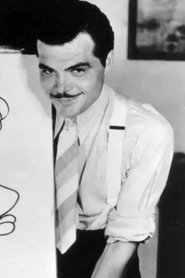
Rudolf IsingCast
About the Production
This short is one of the early sound-era cartoons associated with Hugh Harman and Rudolf Ising during the development of the Warner Bros. animation unit. It features Foxy, one of the studio's early character prototypes, before the later emergence of the more famous Looney Tunes and Merrie Melodies personalities. The cartoon is structured as a musical comedy built around the title song, with action tightly synchronized to the score in the style that was fashionable in early 1930s animation. As with many early cartoons from this period, exact budget information is not generally documented in standard public references, but the film is important as a transitional work in the evolution of American theatrical animation.
Historical Background
The film was made in 1931, during the early years of the Great Depression, when American popular entertainment often emphasized escapism, cheerfulness, and musical novelty. Sound cinema had only recently become established, and animated shorts were among the most inventive arenas for exploring the new possibilities of synchronized music and dialogue. Warner Bros. was in the process of shaping its identity in animation, and the Harman-Ising shorts helped define the studio's early cartoon output before the later rise of more famous characters. In a broader cultural sense, the cartoon belongs to a period when jazz-age rhythms, vaudeville performance style, and anthropomorphic animal comedy were all converging in cinema. Its importance lies not only in its entertainment value but also in its place in the transition from silent-style animation to fully musical, sound-driven cartoon storytelling.
Why This Film Matters
Smile, Darn Ya, Smile! is significant as an early artifact of Warner Bros. animation history and as a representative example of how studios experimented with sound cartoon formulae in the early 1930s. It helps document the pre-history of the Looney Tunes empire, showing the studio in a phase of creative searching before its best-known stars and house style fully emerged. The short also preserves the look and rhythm of early synchronized animation, which is valuable to historians studying how cartoons adopted and transformed vaudeville, musical comedy, and popular song. Its title song and Foxy character have made it a point of interest for animation scholars, collectors, and fans of classic theatrical shorts.
Making Of
Smile, Darn Ya, Smile! was produced during a formative period for American theatrical animation, when sound cartoons were still a relatively new medium and studios were actively learning how to integrate music, rhythm, and comedy into animated storytelling. Hugh Harman and Rudolf Ising were central figures in the development of Warner Bros. animation, and this short reflects their approach to making cartoons that behaved like musical revues with recurring characters and catchy songs. The film's Foxy character was one of several early studio mascots tested in this period, before the team moved on to other concepts and eventually laid groundwork for the broader Looney Tunes brand. The production exemplifies the early 1930s tendency to build cartoons around a title tune and to stage visual humor in close sync with the soundtrack, a technique that would become standard in the medium.
Visual Style
As an animated short, the film's visual style depends on hand-drawn movement, character acting, and timing rather than live-action cinematography. The short uses straightforward staging to emphasize musical synchronization and gag clarity, with the streetcar setting providing a compact space for repeated motion and visual rhythm. The cartoon's visual approach reflects the early sound-cartoon emphasis on clear silhouettes, exaggerated expressions, and readable action that could work in tandem with music. The animation also demonstrates the period's fondness for elastic movement and anthropomorphic performance, especially in the way Foxy and the surrounding animal characters react to each comic obstacle.
Innovations
The film is notable for its early and effective synchronization of action with music, a key technical hallmark of sound-era animation. It represents the studio's developing ability to combine comic staging, character movement, and song performance into a coherent short-form entertainment package. While not a breakthrough in the sense of later animation innovations, it is an important example of the technical maturity emerging in early 1930s cartoons. Its significance lies in how it helped normalize the musical-cartoon format that would become a staple of theatrical animation.
Music
The soundtrack is centered on the title song, "Smile, Darn Ya, Smile!", which functions as both a musical hook and a narrative engine for the cartoon. Early Harman-Ising cartoons frequently used popular-style songs and tightly synchronized scoring to create a mini-musical experience, and this short is a clear example of that approach. The music drives the pacing of the gags, with visual action often timed to beats, accents, and lyrical phrases. The song became one of the memorable musical signatures associated with the early Warner cartoon era.
Famous Quotes
Smile, darn ya, smile!
The title refrain is the best-known line associated with the short and serves as its central musical motto.
Memorable Scenes
- Foxy singing and working as a streetcar conductor while keeping the passengers moving along.
- The humorous encounter with the would-be passenger hippo, which turns a routine stop into a comic obstacle.
- The cow blocking the tracks, a classic early-cartoon gag that escalates the streetcar chaos.
- The runaway train sequence, which intensifies the slapstick and threatens to overwhelm the entire scene.
- The group sing-along of the title song, which ties the cartoon together musically and thematically.
Did You Know?
- The film is built around the song "Smile, Darn Ya, Smile!", which became closely associated with the cartoon and its era of musical shorts.
- Foxy was one of the earliest recurring animal characters created by the Harman-Ising team, predating the later dominance of Bugs Bunny and other Warner icons.
- The short is part of the early history of Warner Bros. animation, when the studio was still experimenting with characters, music-driven storytelling, and synchronized cartoon performance.
- Rudolf Ising is credited as director and also appears in the cast information because these early cartoons were often documented through studio personnel rather than modern voice-cast listings.
- The cartoon reflects the influence of vaudeville and stage musical comedy, which heavily shaped early sound animation.
- Its comic premise is episodic rather than narratively complex, a common trait of early 1930s theatrical shorts that prioritized gags and songs over elaborate plotting.
- The short is often discussed in histories of animation as part of the lineage that led to Looney Tunes and Merrie Melodies.
- The character of Foxy was short-lived compared with later Warner characters, but he remains notable as an early attempt at creating a studio mascot.
- The film's use of a streetcar setting allowed animators to stage a variety of moving-vehicle gags and musical interactions in a compact runtime.
- Because it is an early sound cartoon, timing and synchronization are key elements of its appeal and historical interest.
What Critics Said
Contemporary critical records for many early animated shorts are sparse, but the film was part of a stream of musical cartoons that generally appealed to exhibitors looking for lively filler and audience-friendly novelty. In modern scholarship, the short is usually evaluated less as a standalone masterpiece and more as an important historical document in the development of Warner Bros. animation and early sound cartoon technique. Critics and animation historians tend to note its charming energy, period-specific humor, and the way it demonstrates the studio's evolving craft, while also recognizing that its narrative is simple and its appeal is largely rooted in its historical context. For modern viewers, its chief value lies in seeing how early 1930s cartoons balanced song, slapstick, and character animation.
What Audiences Thought
At the time of release, audiences for theatrical shorts generally responded well to lively musical cartoons, particularly ones tied to a catchy song and a brisk series of visual gags. The cartoon was designed for broad entertainment value in movie houses, where it would have been shown alongside live-action features and other shorts. Today it is most appreciated by animation enthusiasts, classic film fans, and historians rather than general mainstream audiences, because its pacing and style reflect the conventions of its era. Its nostalgia factor and historical importance give it enduring interest among viewers who enjoy early animation.
Film Connections
Influenced By
- Vaudeville stage comedy
- Early musical revue films
- Popular song-driven sound cartoons of the early 1930s
- The synchronization style pioneered in the first years of animated sound shorts
This Film Influenced
- Early Looney Tunes and Merrie Melodies shorts
- Subsequent Warner Bros. musical cartoons
- Later character-driven animation shorts that mixed song with slapstick
You Might Also Like
More Animation Films
View allMore from Rudolf Ising
View allFilm Restoration
The film is preserved and is known today through archival copies and home-video or digital circulation among classic animation collections; it is not generally considered lost.