1916 · Approximately 50 minutes

Also available on: Archive.org
The Devil's Needle

The Devil's Needle

1916 Approximately 50 minutes United States

"There is no verified original marketing tagline readily documented for this film."

drug addictionmoral declineartistic decadenceguilt and redemptiontemptation and corruption

Plot

Renee is a French artist's model who has turned to morphine as an escape from the emptiness and drudgery of her life. When she encounters a neurotic painter, she encourages his use of the drug, telling him that it can kindle artistic inspiration and heighten creative fire, but the experiment soon destroys both his work and his self-control. He takes on a new model, marries her, and then leads her into the same cycle of addiction and moral collapse, extending the damage beyond himself. As the consequences deepen, Renee is overcome by guilt and intervenes, attempting to save the pair before the drug and the lives built around it are completely ruined. The film frames addiction as both a social and spiritual tragedy, moving from temptation and decadence toward remorse and attempted redemption.

About the Production

Release Date 1916
Production Triangle Film Corporation
Filmed In United States

The Devil's Needle was produced during the Triangle era of American filmmaking and is closely associated with the studio's prestige ambition to mount socially resonant dramas with strong star casting. The film was made as a cautionary melodrama about drug addiction, a subject that was unusually direct for 1916 and one that made the picture controversial in some regions. Later circulation appears to have relied on a 1923 re-release version, from which the surviving print was mastered. The extant element is reportedly the only known surviving copy and suffers from significant nitrate decomposition in portions of the film, which affects image quality and continuity in certain scenes. The picture's preservation history makes it especially important as both a social-problem film and a fragile artifact of silent-era exhibition and censorship.

Historical Background

The Devil's Needle was released in 1916, at a moment when American cinema was rapidly expanding in length, ambition, and social influence while reformers, municipal censors, and state boards were increasingly concerned about film content. Drug addiction, especially opiates and morphine, was a major public anxiety in the Progressive Era, and films addressing vice often did so through moralizing narratives that aligned with temperance and social reform language. The picture belongs to a period when feature films were becoming a dominant commercial form and the star system was taking hold, allowing performers like Norma Talmadge to anchor serious melodrama. Its censorship history is also historically important because it reflects the unstable relationship between filmmakers and local authorities during the silent era, when a film could be banned in one jurisdiction and defended in another depending on perceived moral framing. The movie's survival in a damaged re-release print further places it within the broader history of nitrate loss, uneven archival retention, and the fragmentary nature of many silent-era works.

Why This Film Matters

The Devil's Needle is significant as an early American drama that confronts drug addiction directly and treats it as a destructive social and moral force. In silent-cinema history, it stands as part of the wave of so-called problem pictures that tried to engage with contemporary anxieties while still satisfying censors by clearly condemning the behavior depicted. Its reputation is also tied to preservation: because only one known copy survives, the film has value well beyond its original exhibition context as a rare witness to Triangle-era production standards and to Norma Talmadge's screen image in the mid-1910s. The film is also frequently discussed in relation to censorship history, since its Ohio ban and subsequent reversal illustrate how moral argument could alter the fate of a movie. For modern viewers and historians, it matters as both a social document and an example of how silent films could combine sensational subject matter with earnest reformist intent.

Making Of

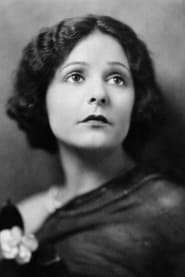
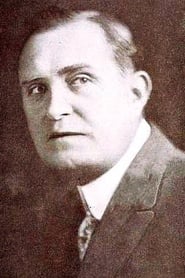
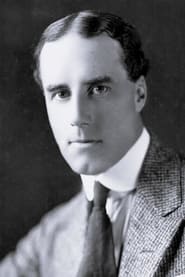
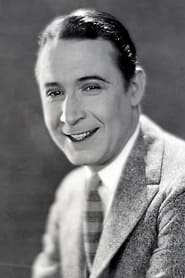
The Devil's Needle was mounted as a socially pointed melodrama in the Triangle film environment, where studio strategy emphasized star-driven productions with topical or sensational subject matter that could still be framed as moral instruction. Chester Withey directed the film with Norma Talmadge in the lead, and the casting of Tully Marshall and Marguerite Marsh supported the story's descent into addiction, decadence, and guilt. Contemporary and later commentary suggests that the film's surface scandal was significant enough to attract censorship scrutiny, yet its reformist ending allowed defenders to argue that it served as a warning rather than an endorsement of drug use. The film's modern existence is shaped by archival survival rather than commercial history: it survives only in a compromised re-release print, and that preservation circumstance has made it a subject of interest among silent-film historians and restoration specialists.

Visual Style

The film's visual style is characteristic of mid-1910s American silent melodrama, likely favoring expressive staging, clear narrative composition, and close attention to actor gesture and facial expression. As with many Triangle productions, the emphasis would have been on lucid storytelling and star performance rather than overtly experimental camerawork. The surviving material's nitrate damage means some visual nuance is lost today, but the film remains important for showing how silent cinema rendered subjective decline and moral deterioration through image, contrast, and performance. Its imagery would have supported the theme of addiction by contrasting artistic refinement with bodily and emotional collapse.

Innovations

The film does not appear to be associated with major technological innovations, but its significance lies in how it participates in the mature silent feature form of the mid-1910s. The picture's careful use of moral melodrama, star-centered acting, and censorship-sensitive narrative construction reflects the production sophistication of its era. Its preservation in a 35mm re-release print also makes it notable as an archival survivor from a period when many films were lost to nitrate decay. The film is additionally important as evidence of how social-problem cinema could be packaged for broad commercial release while retaining a clear didactic purpose.

Music

As a 1916 silent film, The Devil's Needle had no synchronized recorded soundtrack. In original exhibition, it would have been accompanied by live music selected by the theater, often an organist, pianist, or small ensemble, with cue sheets or local musical improvisation shaping the mood. Modern presentations of surviving silent prints are typically accompanied by newly prepared or theater-specific accompaniment. No single canonical original score is widely documented for this title.

Famous Quotes

It kindles the fires of genius.
I need help to save us from the path we have chosen.

Memorable Scenes

  • Renee introducing the neurotic artist to morphine and framing it as a supposed aid to creativity, a moment that sets the tragedy in motion.
  • The artist's gradual decline as his work and self-control deteriorate under the influence of addiction.
  • The introduction of a new model, the subsequent marriage, and the film's depiction of how the cycle of dependency spreads to another innocent victim.
  • Renee's guilt-stricken intervention near the end, when she attempts to stop the moral and physical destruction she helped unleash.
  • The film's final movement toward warning, remorse, and attempted redemption, which reorients the story from sensation to social lesson.

Did You Know?

  • The film was banned by the state of Ohio at one point, according to silent film historian Kevin Brownlow, before the censor board reversed itself after recognizing the anti-drug message beneath the sensational surface.
  • It is one of the early American films to present morphine addiction as a central dramatic subject rather than merely a background vice or criminal marker.
  • Norma Talmadge's presence gave the production major star appeal at a time when her screen reputation was rapidly rising.
  • The surviving copy used for modern presentation was mastered from a 35mm preservation print of the 1923 re-release version rather than the original 1916 release.
  • The film is considered rare because the only known extant element is damaged by nitrate decomposition in several scenes.
  • Its plot structure reflects the era's fascination with moral reform narratives, where vice leads to collapse and repentance offers a partial resolution.
  • The film belongs to the Triangle Film Corporation period, when the company tried to distinguish itself through prestige drama, topical subjects, and well-known performers.
  • As a silent-era drug melodrama, it is part of a broader 1910s cycle of cautionary films that sought to warn audiences about modern social dangers.
  • The title itself uses the image of a 'needle' to evoke both the literal syringe and the devilish temptation of addiction.
  • Because of its controversial subject matter and fragile survival, the film is often cited in discussions of censorship, preservation, and the depiction of narcotics in early American cinema.

What Critics Said

Contemporary critical response is not comprehensively documented in the surviving material available here, but the film was clearly provocative enough to attract censorship attention while still being defensible as a morality tale. Its handling of addiction likely would have been viewed by some reviewers as bold, topical, and cautionary, while others may have found it lurid or exploitative. In later historical evaluation, the film is valued more for its rarity, its subject matter, and its preservation status than for being a widely canonized masterpiece of silent cinema. Silent-film scholars and archivists tend to treat it as an important artifact of the 1910s social-problem film tradition and of Norma Talmadge's early career rather than as a universally acclaimed title.

What Audiences Thought

Specific audience-response records are limited, but the film's censorship history suggests that it generated concern as well as curiosity among viewers and regulators. Its title and subject matter would have appealed to audiences drawn to sensational melodrama, while its reform message would have helped legitimate it as respectable entertainment. The fact that it continued into a 1923 re-release indicates that there was still enough interest or perceived value to justify further circulation after the original run. Modern audience reception is generally concentrated among silent-film enthusiasts, repertory viewers, and preservation-minded audiences who encounter the film as a rare surviving example of its kind.

Film Connections

Influenced By

  • Progressive Era anti-narcotics reform movements
  • Victorian and early modern moral melodrama
  • early 1910s social-problem films
  • stage and literary cautionary tales about vice and downfall

This Film Influenced

  • Later silent and early sound addiction dramas
  • Social-problem melodramas that frame vice as a cautionary warning
  • Censorship-era moral reform films of the 1920s and 1930s

Film Restoration

Preserved in highly compromised form. The only known surviving copy is a 35mm preservation print derived from the 1923 re-release version, and it suffers from significant nitrate decomposition in some scenes. It is not a complete pristine restoration, but it is extant and accessible in damaged archival form.

Themes & Topics