1910 · Approximately 3-5 minutes

Also available on: Archive.org
The Faithful Furniture

The Faithful Furniture

1910 Approximately 3-5 minutes France
Attachment to home and possessionsAnthropomorphismComic rebellion of objectsPoverty and lossSentimentality mixed with absurdity

Plot

A cash-strapped man, unable to keep up with his rent, is compelled to sell the pieces of furniture that have long filled and defined his home. Once separated from their owner, however, the furniture takes on a comic life of its own and refuses to remain away from the place they consider theirs. In a whimsical fantasy typical of early French trick animation, the chairs, table, and other household items set out to return to their former home, turning the act of repossession into a playful rebellion against their sale. The film builds its humor from the absurdity of inanimate objects behaving with loyalty and purpose, and from the escalating inconvenience they cause as they seek to reunite with the man who once possessed them. The story ends as a light comic fable about attachment, ownership, and the uncanny life of everyday objects.

Director

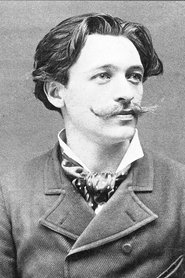
Émile Cohl Émile Cohl

About the Production

Release Date 1910
Production Pathé Frères
Filmed In France

The Faithful Furniture is a very early animated short by Émile Cohl, made during the formative years of French trick cinema when artists were experimenting with stop-motion, substitution tricks, and hand-drawn animation to give ordinary objects seemingly impossible motion. Because production records for films of this exact period are sparse, detailed budgetary and set documentation are not known. The film is associated with the Pathé production environment and with Cohl's broader body of inventive fantasy comedies that often combined live-action logic with surreal animated movement. Like many shorts from 1910, it was likely made quickly and economically for the then-growing market in brief novelty subjects rather than as a prestige feature.

Historical Background

The Faithful Furniture was made in 1910, during the silent era's rapid transformation from short novelty reels into a more established commercial art form. France was one of the world's leading film-producing countries at the time, and companies such as Pathé were distributing films internationally, helping spread French comic fantasy and animation techniques across Europe and beyond. This was also the period when animation was still a laboratory medium, with filmmakers testing how drawings, objects, and camera effects could produce motion that audiences had never seen before. The film reflects a prewar culture fascinated by modernization, domestic life, and the comic possibilities of technology and mechanized things, even as it remains rooted in a very intimate, household-scale story. Its historical value lies in showing how early cinema could turn ordinary furniture into agents of emotion and action, anticipating later animated storytelling while remaining distinctively of its time.

Why This Film Matters

Although not one of the most famous Cohl titles, The Faithful Furniture is culturally significant as a surviving example of early cinematic anthropomorphism and domestic fantasy. It demonstrates how animation developed not only through animal characters and caricatured human figures but also through the animation of everyday objects, an idea that would become a lasting staple of cartoon storytelling. The film also helps document Émile Cohl's central role in expanding the expressive possibilities of the medium beyond simple gag films into small surreal narratives. For historians, it is valuable evidence of how early audiences were invited to accept and enjoy impossible transformations long before feature-length animation existed. Its survival in film history discussions also matters because it is often overshadowed by more famous Cohl works, yet it reveals the breadth of his experimentation.

Making Of

Very little scene-by-scene production documentation survives for this short, but it is firmly associated with Émile Cohl's experimental period in France, when he was refining techniques that blurred animation and photographic illusion. Cohl was known for working economically and inventively, often relying on simple sets, carefully staged transformations, and the precise timing of object movement to create the sense that animated things possessed intention. In a film like The Faithful Furniture, the challenge would have been less about narrative complexity than about creating believable comic motion for objects that had to seem emotionally attached to their owner. The result fits the broader early-Pathé culture of novelty filmmaking, where a clever premise and visual ingenuity were often the main attractions.

Visual Style

The film's visual style would have been shaped by the early silent-era preference for static or minimally moving camera setups that kept the action legible while allowing the illusion to unfold within the frame. Early Cohl animation and trick work often depended on clear stage-like composition, careful object placement, and incremental movement that could read as magical transformation rather than mechanical manipulation. Because the film centers on furniture coming to life, the cinematography likely emphasized visibility of each object's motion and the comic logic of the arrangement rather than dynamic camera movement. The aesthetic would have been simple, direct, and theatrical, with the humor emerging from the contrast between ordinary domestic objects and the uncanny animation bestowed upon them.

Innovations

The film's chief technical achievement lies in its early use of animation and trick effects to animate inanimate domestic objects in a coherent comic narrative. At this stage in film history, simply making furniture appear to move with purpose was a notable feat, requiring meticulous frame-by-frame control or equivalent illusion techniques. The short is representative of Émile Cohl's broader contribution to the development of animation grammar, especially the idea that ordinary objects could be performers. While not a landmark in the sense of introducing a single famous technique, it belongs to the foundational period when the language of screen animation was being invented.

Music

As a 1910 silent film, it was originally exhibited without synchronized recorded sound. Any music would have been supplied live by a pianist, organist, or small ensemble depending on the venue and the exhibitor's resources. No authoritative original score is known to survive for this title. Modern screenings, when available, may use curated accompaniment designed to match the film's whimsical, fantastical tone.

Memorable Scenes

  • The comic premise in which the furniture, once sold, behaves as though it cannot bear to be separated from its owner and resolves to return home.
  • The surreal sight of ordinary household pieces becoming active characters in a domestic comedy of attachment and escape.

Did You Know?

  • This film is commonly confused with Bosetti's Le Garde-meuble automatique (1912), but it is a different work made two years earlier by Émile Cohl.
  • It belongs to the earliest generation of animated films, when the medium was still being defined through experiments with objects, cut-outs, and visual trickery.
  • Émile Cohl is often called one of the fathers of animation, and this short fits his fascination with making the impossible seem casually routine.
  • The premise of furniture returning to its owner anticipates later animation traditions in which household objects are given personalities and emotional lives.
  • Because so many films from 1910 survive only in incomplete documentation, titles like this one are often known from catalog records, trade references, and archival listings rather than widely circulating prints.
  • The film’s comic concept reflects a period when French filmmakers frequently mined fantastical everyday premises for short subjects.
  • Its existence illustrates how early animation often overlapped with magic, pantomime, and vaudeville-style visual gags rather than with the fully developed cartoon conventions that came later.
  • The title suggests a sentimental inversion: the furniture is 'faithful' not to the buyer, but to the person who used and lived among it.
  • As with many Cohl works, the film demonstrates a strong interest in anthropomorphism, a key feature of early screen fantasy.
  • The film is a useful example of how pre-World War I cinema could already be playful, surreal, and graphically inventive even in a very short running time.

What Critics Said

Contemporary reviews for this specific short are not widely documented in surviving sources, which is common for many films from 1910 that were reviewed only briefly in trade papers or local notices. In its own time, it would likely have been received as a whimsical novelty, appreciated for its technical cleverness and comic premise rather than for narrative depth. Modern film historians tend to value it as part of Émile Cohl's pioneering animation output and as an illustration of the playful surrealism of early French cinema. Today, its reputation rests less on mass-audience fame than on archival and scholarly interest in the origins of animated film and trick filmmaking.

What Audiences Thought

Specific audience-response records are not known to survive for this film, but short fantasy comedies of this kind were generally designed for broad popular appeal in nickelodeon and fairground exhibition contexts. Audiences of the period were often delighted by visual tricks that made the impossible appear real, especially when the premise was simple and amusing. The concept of furniture 'refusing' to leave its owner likely played well as a family-friendly comic idea, combining sentiment and absurdity. In modern viewings, the film is usually appreciated more by cinephiles and animation historians than by general audiences, though its premise remains accessible and charming.

Film Connections

Influenced By

  • Stage magic and trick photography traditions
  • Early French féerie and comic fantasy films
  • Vaudeville visual gags
  • Émile Cohl's own experiments with animated drawings and objects

This Film Influenced

  • Many later cartoons featuring sentient household objects and furniture
  • Domestic fantasy animation in the silent and sound eras

Film Restoration

Survival status is uncertain in general circulation; the film is known through archival references and scholarly filmography records, and it is not widely available in commercial release. A complete, publicly accessible restoration is not commonly cited in major modern distributions. For database purposes, it should be treated as an early silent short with limited accessibility and possible archival-only survival until a specific extant print is confirmed.

Themes & Topics

animated furniturerent troublecomic fantasyobject animationhomecoming