1910 · Approximately 4 minutes

Also available on: Archive.org
The Waiter's Dream

The Waiter's Dream

1910 Approximately 4 minutes France
Temperance and the dangers of alcoholDreams and subconscious fearMoral instructionComedy through transformationEveryday life disrupted by fantasy

Plot

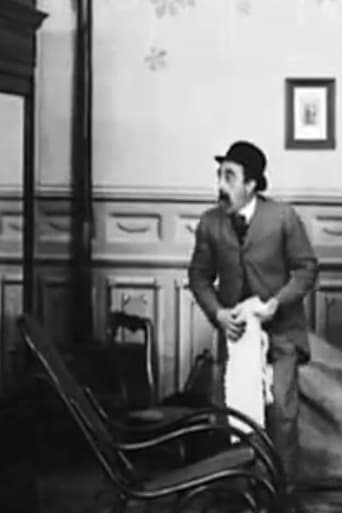
In this short animated fantasy, four customers sit in a quiet café and continue a peaceful card game while the waiter grows drowsy in the heavy, stagnant atmosphere. As he nods off, the film shifts into a nightmare-like dream in which the social ills associated with alcohol are dramatized through surreal visual gags and alarming transformations. The dream sequence turns the café's ordinary domestic setting into a cautionary vision, with exaggerated animated imagery used to suggest drunkenness, disorder, and moral consequence. When the waiter awakens, the contrast between the calm card game and the unsettling dream reinforces the film's temperance-minded warning.

Director

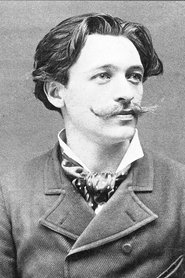
Émile Cohl Émile Cohl

About the Production

Release Date 1910
Production Pathé Frères
Filmed In France

The film is a very short early animated production by Émile Cohl, one of the pioneering figures of animation in cinema. Like many films of the period, it was made as a brief novelty short rather than as a feature-length narrative, and precise production records such as budget and detailed unit logs have not survived. Its style reflects Cohl's experimental approach, combining drawn animation and metamorphic imagery to create a dream sequence that could convey moral commentary without relying on dialogue. As with much of Cohl's work from this period, the film is important primarily as an example of early animated filmmaking and of the use of animation for satirical or cautionary purposes.

Historical Background

The film was made in 1910, a period when cinema was transitioning from a novelty attraction into a more developed narrative medium, yet short subjects still dominated everyday exhibition. In France, studios such as Pathé were central to the global circulation of film, and Émile Cohl was among the artists helping define what animation could be. The period also saw strong social reform movements, including temperance campaigns, and films warning against alcohol abuse fit neatly into that cultural climate. The Waiter's Dream matters historically because it shows how early animation could be used not just for comic abstraction but also for moral storytelling, using visual fantasy to make a social point in a way live-action shorts could not easily match.

Why This Film Matters

The film is significant as part of the early canon of animated cinema and as an example of how animation quickly became a medium for satirical and didactic content. Émile Cohl's work helped establish the idea that animation could transform reality, compress ideas, and visualize interior states such as dreams, fears, and moral anxieties. Even though the film is brief and not widely known outside film history circles, it contributes to the broader legacy of French animation and the evolution of screen comedy. Its temperance theme also provides insight into the social concerns that shaped early film narratives and the kinds of subjects that could reach mass audiences at the beginning of the 20th century.

Making Of

The Waiter's Dream was made during the formative years of animation, when filmmakers were still discovering how drawn images could create motion, metamorphosis, and fantasy on screen. Émile Cohl was known for an improvisational-looking but carefully planned process that made objects, figures, and situations transform fluidly from one image to another, and that approach suited the film's dream narrative. The production likely relied on hand-drawn images photographed frame by frame, an arduous method that required extraordinary patience and precision for the period. Although detailed behind-the-scenes documentation is limited, the film clearly reflects Cohl's interest in using animation for ideas rather than spectacle alone, blending humor, moral allegory, and visual invention in a compact form.

Visual Style

The film's visual style is rooted in early animated line drawing, with an emphasis on metamorphosis, exaggeration, and dreamlike transitions. Rather than relying on camera movement or complex sets, it uses the inherent flexibility of animation to create surreal shifts in form and meaning. The imagery likely emphasizes simple but effective silhouettes, gesture, and transformation to communicate the waiter’s uneasy vision. Its cinematographic interest lies less in live-action framing than in the frame-by-frame construction of motion, which was still a relatively new cinematic language in 1910.

Innovations

The film is notable for its early use of animated metamorphosis and dream imagery to sustain a complete comic-allegorical idea within a very short running time. It demonstrates the flexibility of hand-drawn animation as a storytelling tool at a time when cinematic language was still being invented. Its ability to move from an ordinary café scene into an uncanny moral vision shows Cohl's mastery of visual transformation, one of the foundational techniques of early animation. In historical terms, it contributes to the development of animation as a distinct medium capable of fantasy, satire, and social commentary.

Music

As a silent film, it had no synchronized recorded soundtrack. Like most films of the period, it may originally have been accompanied by live piano or small ensemble music chosen by exhibitors, but no original score is known to survive. Any modern presentation may use a curated archival accompaniment or restoration soundtrack added later for exhibition purposes.

Memorable Scenes

  • The opening café tableau, where the four customers sit calmly at cards while the waiter grows sleepy in the oppressive quiet.
  • The waiter’s dream sequence, in which alcohol-related misery is rendered through exaggerated animated imagery and surreal visual transformations.
  • The contrast between the mundane café setting and the bizarre nightmare logic, which gives the short its comic and cautionary punch.

Did You Know?

  • The film is also known under French titles associated with Émile Cohl's early output, including variations translated as The Waiter's Dream.
  • It was directed by Émile Cohl, widely regarded as one of the fathers of animated film.
  • The film uses a dream structure, a device Cohl often exploited because it allowed rapid shifts between ordinary reality and absurd, metamorphic imagery.
  • Its subject matter reflects early cinema's frequent engagement with temperance themes and moral warning narratives.
  • The animated style is characteristic of Cohl's hand-drawn, highly inventive line work, which often emphasized transformation and visual surprise.
  • The film is extremely short by modern standards, typical of 1910 film exhibition practices.
  • Because it is an early silent film, any music heard today would be added by later exhibitors, archivists, or home-video releases rather than being part of a surviving original score.
  • The film belongs to the period in which Pathé was distributing many shorts internationally, helping spread French animation beyond its home market.
  • Cohl's films from this era are especially valued by historians because they demonstrate how animation developed alongside live-action cinema rather than as a separate art form.
  • Surviving prints and reference materials for early films like this can be scarce, making database identification and preservation status especially important.

What Critics Said

Contemporary critical commentary on the film is scarce, and surviving reviews are not widely documented in standard reference sources. In its own era, it would have been appreciated primarily as a clever animated novelty and as part of Cohl's reputation for imaginative trick films. Modern critics and historians tend to view it as a minor but revealing work within Cohl's filmography, valuable for understanding early animation techniques and the range of themes early animators explored. It is now discussed more often in historical surveys of animation than as a standalone classic of general repertory cinema.

What Audiences Thought

Detailed audience-response records are not known to survive, which is common for a short film from 1910. At the time, audiences likely experienced it as a brief comic or cautionary attraction, designed to amuse while delivering a mild moral lesson. Because it was distributed in the era of mixed programs, it probably reached viewers as one item among many rather than as a headline release. Today, it is most often encountered by enthusiasts, students, and archivists rather than by general audiences.

Film Connections

Influenced By

  • Temperance literature and anti-alcohol moral tales popular in the early 20th century
  • Émile Cohl's own experimental comic and fantastical film style
  • Stage and popular visual traditions of dream allegories and cautionary tales

This Film Influenced

  • Early French and international animated shorts using dream logic and metamorphosis
  • Later comic fantasy cartoons that use surreal visual transformations to express moral or psychological states

Film Restoration

The film is an early silent short associated with surviving historical references and, in some cases, archival preservation of early Cohl works; however, detailed current preservation details can vary by holding institution and specific print. It is best regarded as a rare archival title rather than a widely circulating mainstream classic.

Themes & Topics