The Gift Supreme
Plot
Bradford Vinton, the son of a wealthy and socially respectable family, falls in love with a young woman who sings in a slum district, an attachment that immediately alarms his father and threatens the family’s idea of status and control. His father sets in motion a plan to sever the relationship, relying on social pressure and family authority to keep the pair apart. When those efforts fail and Bradford refuses to abandon the woman he loves, his father responds with a severe act of punishment and disinherits him. The story plays out as a melodrama of class conflict, parental tyranny, and romantic loyalty, with the central tension built around whether Bradford will sacrifice wealth and privilege for personal happiness.
About the Production
The Gift Supreme was produced during the silent era as a compact dramatic feature built around familiar early-20th-century melodramatic concerns: class prejudice, filial rebellion, and romantic sacrifice. As with many Vitagraph productions of the period, the film was likely mounted efficiently on studio sets and controlled locations rather than elaborate on-location work, and surviving public records do not provide extensive production documentation. No reliable evidence has survived for a large-scale budget, box office record, or unusual technical experimentation. The film is notable today largely because of its cast and its place in the output of one of the major American silent studios rather than because of any surviving production lore.
Historical Background
The Gift Supreme was released in 1920, a moment of transition in American film culture. The silent feature film had become a dominant form, and studios like Vitagraph were competing in a marketplace increasingly shaped by star power, longer narratives, and more polished production values. Socially, the film emerged just after World War I, at a time when American audiences were negotiating changing ideas about class, gender, family authority, and individual choice. Stories of romance across social boundaries resonated because they dramatized tensions between old Victorian codes and newer, more modern ideals of personal autonomy. The film also belongs to the late silent period before sound transformed Hollywood, making it part of the final generation of films that depended entirely on image, gesture, and intertitle prose to communicate emotion and social conflict.
Why This Film Matters
While The Gift Supreme does not appear to have had lasting mainstream cultural fame, it is significant as a representative example of early American melodrama and of Vitagraph’s feature output during a crucial period in studio history. Films like this helped define the emotional grammar of silent cinema: exaggerated family conflict, class barriers, moral testing, and the sacrifice-or-reconciliation structure that audiences could immediately understand. Its surviving plot description is also valuable to historians because it reflects how early commercial films often negotiated issues of class difference and respectability without departing from conventional moral frameworks. For modern researchers, the film’s importance lies less in popularity than in what it reveals about studio-era storytelling, casting, and the kinds of dramas that filled American theaters in 1920.
Making Of
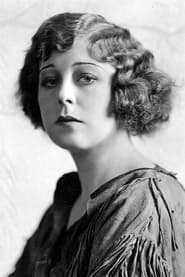
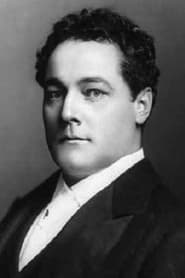
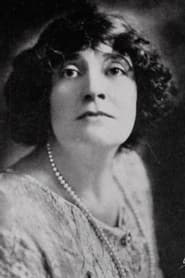
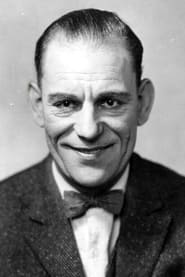
Very little detailed behind-the-scenes documentation for The Gift Supreme appears to have survived in commonly consulted reference sources, which is not unusual for a 1920 silent drama from a major but fast-moving studio system. The film was made in an era when production teams often worked quickly, with scripts designed to emphasize clear visual storytelling, expressive performance, and succinct intertitles. The casting of Bernard J. Durning, Seena Owen, and Melbourne MacDowell suggests a deliberate reliance on established screen and stage performers who could communicate heightened emotion without spoken dialogue. In the absence of preserved production memos, publicity materials, or extensive trade coverage, the film is best understood as a typical but professionally made Vitagraph melodrama that reflected the studio’s standard production practices at the end of the silent era.
Visual Style
No detailed cinematographic analysis is widely preserved for The Gift Supreme, but as a 1920 silent drama it would almost certainly have depended on expressive framing, clear blocking, and close-up emphasis to convey emotional stakes. Films of this period commonly used medium shots and intercut close-ups to highlight reaction, status differences, and family confrontation, especially in melodramatic scenes. Since the film is associated with Vitagraph, it likely reflects the studio’s competent but conventional visual style rather than radical experimentation. Any surviving stills or descriptions would be especially valuable for assessing lighting, composition, and set design, but those details are not broadly documented in current reference material.
Innovations
No specific technical innovations are known to be associated with The Gift Supreme. Its significance lies in its participation in the established silent-feature conventions of the period rather than in any recorded breakthrough. The film would have depended on the standard tools of the era: staged acting, intertitles, and silent-era visual storytelling designed to communicate character conflict efficiently. If any technical distinction existed, it has not been preserved in widely accessible historical documentation.
Music
As a silent film, The Gift Supreme did not have a synchronized recorded soundtrack at the time of its original release. It would have been exhibited with live musical accompaniment, typically by a pianist, organist, or small theater orchestra depending on the venue. No specific original cue sheet, commissioned score, or standardized modern reconstruction is widely documented in available sources. Like many silent dramas, its music would have been tailored locally by exhibitors to underscore emotion, pacing, and dramatic transitions.
Memorable Scenes
- Bradford Vinton’s decision to pursue a relationship with a singer from the slums, which establishes the film’s central social and emotional conflict.
- The father’s attempt to break up the romance through family authority and social pressure, a classic silent melodrama confrontation.
- The moment when the father disinherits his son after the plan fails, serving as the story’s emotional climax.
- The tension between the world of wealth and the world of the slums, expressed through the film’s basic dramatic setup and likely reinforced through contrasting settings.
Did You Know?
- The film is a silent-era drama from Vitagraph, one of the major American studios of the 1910s and early 1920s.
- It stars Bernard J. Durning and Seena Owen, both recognizable names from the silent period.
- The story centers on a cross-class romance, a very common dramatic device in early cinema that allowed filmmakers to explore social prejudice without resorting to overtly political dialogue.
- The title suggests a moral or emotional ideal, but the plot is driven by conflict, punishment, and family control rather than sentiment alone.
- Oliver L. Sellers is credited as director, but the film is not widely discussed in later film histories, indicating that it survived mainly in catalog records rather than in broad critical canon.
- The film appears to have been distributed in the United States during a period when feature-length silent melodramas were a staple of mainstream exhibition.
- Because it is an early silent film, any original intertitles would have carried much of the dramatic weight and moral framing for audiences.
- No widely known surviving print is commonly cited in modern reference sources, which makes the film difficult to study in detail compared with better-preserved silent features.
- Its cast includes Melbourne MacDowell, another veteran of stage and screen whose presence was typical of prestige dramatic casting in the era.
- The basic plot summary suggests a story shaped by social morality, a theme frequently used to appeal to middle-class audiences in the silent era.
What Critics Said
Contemporary critical reception is not well documented in the surviving sources commonly available for this title, and there is no broad modern critical consensus because the film is obscure and likely seen by very few present-day viewers. Like many silent dramas of its type, it was probably reviewed in trade publications and local newspapers at the time of release, but those notices have not become widely cited in later reference works. Today, the film is primarily of interest to silent-film scholars, archivists, and historians of Vitagraph rather than to a general critical audience. Its reputation rests more on its historical positioning and cast than on a widely preserved critical legacy.
What Audiences Thought
Specific audience-response data has not survived in a readily documented form. As a mainstream silent melodrama, it was likely aimed at general moviegoing audiences who favored domestic tragedy, class conflict, and emotionally direct storytelling. The plot’s emphasis on a father’s disapproval and a son’s romantic defiance would have been legible and potentially appealing to audiences accustomed to moral conflict narratives. However, no reliable box office figures or audience surveys are commonly associated with the film, so its exact popularity remains unknown.
Film Connections
Influenced By
- Victorian and Edwardian stage melodrama
- Early silent-era social problem dramas
- Popular reform narratives about class and morality
This Film Influenced
- Later silent melodramas centered on cross-class romance
- Family-conflict dramas of the 1920s
- Early studio-era social melodramas
You Might Also Like
More Drama Films
View allFilm Restoration
The film’s current preservation status is uncertain in readily available public references; it is not commonly cited as a widely circulating or restored title, and it may be lost or surviving only in incomplete archival form. No widely known commercial restoration or home-video release is associated with it. Researchers should consult major silent-film archives and library catalogs for the latest holdings information.