1912 · Approximately 10-15 minutes

Also available on: Archive.org
The Tourists

The Tourists

1912 Approximately 10-15 minutes United States
Mistaken timing and missed opportunitiesTourism and spectacleFlirtation and pursuitSocial chaos and comic disorderEarly 20th-century stereotypes of Indigenous people

Plot

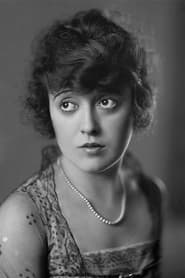
A group of excursionists arrive by train with their attention fixed more on the Indian arts and crafts being displayed at the station than on the schedule itself, and their lingering causes them to miss the departure. While they wait for the next opportunity to travel onward, one of the tourists, played by Mabel Normand, wanders away from the rest in her picture hat and dark outfit and becomes fascinated by Chief Evans. Her wandering attention sets off the familiar Keystone-style chain reaction of flirtation, misunderstanding, and pursuit. The situation escalates into a comic chase involving the chief’s wives, who brandish axes and join the pursuit, turning the station into a chaotic burst of slapstick energy. As with many early Sennett comedies, the humor builds from escalating physical business, quick reversals, and the collapse of social order into farce.

About the Production

Release Date 1912
Production Keystone Film Company
Filmed In Keystone Studios, Edendale, Los Angeles, California, USA

The film was produced at Keystone during Mack Sennett's early period of one-reel slapstick production, when the studio was specializing in fast-paced comic shorts built around chases, confusion, and broad physical comedy. Like many Keystone films from 1912, it was made quickly, with minimal sets and a heavy reliance on stock comic situations rather than elaborate production design. The surviving description indicates that the comedy draws on tourist-and-Indigenous imagery common in early Western farce, reflecting the period's sensationalized and often stereotyped treatment of Native characters. Detailed production paperwork has not survived in readily verifiable form, so precise budget, running time, and exact shooting dates are not firmly documented in standard public sources.

Historical Background

The Tourists was produced in 1912, at a time when American cinema was rapidly transitioning from novelty entertainment into a mass commercial form. Keystone, under Mack Sennett, was becoming one of the most important factories for screen comedy, and short slapstick films were helping establish audience expectations for fast pacing, escalating gags, and physical comedy as a central cinematic language. The film also reflects the era’s fascination with the American West and with exoticized depictions of Native life, presenting a worldview shaped by vaudeville, dime novels, and tourist spectacle rather than historical accuracy. Its existence is important as a record of how early comedy blended contemporary social attitudes, visual shorthand, and improvisational energy into a new popular form of film entertainment.

Why This Film Matters

Although The Tourists is not among the most famous Keystone titles, it is culturally significant as an example of the early silent comedy short that helped normalize rapid-fire slapstick as a mainstream cinematic style. Mabel Normand’s presence gives the film added historical interest, since she was one of the most important women in early comedy and a key figure in the development of screen humor. The film also illustrates how early cinema often relied on ethnic caricature and frontier stereotypes, making it a useful artifact for understanding the limitations and biases of popular entertainment in the 1910s. For film historians, it is part of the larger Keystone body of work that influenced the structure, rhythm, and visual construction of later comedy shorts and features.

Making Of

The Tourists was made during the formative years of Keystone comedy, when Mack Sennett’s company relied on quick-turnaround productions built around a small set of reliable comic ingredients: mistaken timing, flirtation, crowd chaos, and a chase finale. Mabel Normand was one of the studio’s key performers and a major contributor to the style of early silent slapstick, bringing a lively, mischievous presence that helped anchor many of these shorts. The film appears to use an Indigenous station display and a frontier setting as the basis for its gags, which was a common but now problematic device in early Western comedy. As with many films from this exact era, the likely production process was efficient and informal, with staging focused on clear visual action for audiences who would have understood the humor immediately from sight alone.

Visual Style

The film’s visual style would have been typical of early Keystone production: practical staging, medium-distance framing, and action organized so the audience could clearly follow the physical comedy. Rather than relying on elaborate camera movement, the emphasis would have been on readable body language, broad gestures, and the arrangement of performers within a simple scenic setting. The station locale and chase format suggest a strong dependence on spatial clarity, allowing the comic action to unfold in a sequence of escalating beats. As with many silent shorts from 1912, the camera likely remained relatively static, with the comedy generated primarily through performance and blocking.

Innovations

The film does not appear to have introduced major technical innovations, but it is representative of the efficient slapstick editing and visual storytelling that Keystone helped standardize. Its notable achievement lies in its economy: a simple premise is turned into a complete comic escalation using only a few visual setups and an increasingly frantic chase. The film demonstrates early mastery of crowd choreography, comic timing, and the use of a public location as a stage for mayhem. In that sense, it contributes to the development of the short-form screen comedy language that later filmmakers refined.

Music

As a silent film, The Tourists originally had no synchronized recorded soundtrack. In exhibition, it would have been accompanied by live music supplied by a theater pianist, organist, or small ensemble, with the exact score varying by venue and era. No original composed score is widely documented for the film, and modern presentations of surviving prints, if available, typically use archival or newly created accompaniment. Because it is a short silent comedy, the music would have been chosen to match the pace of the chase and the broad comic mood.

Memorable Scenes

  • The tourists linger at the station, absorbed by the Indian arts and crafts display, and miss their departing train, setting the comic disaster in motion.
  • Mabel Normand, dressed in a picture hat and black outfit, wanders away from the group and takes an interest in Chief Evans, triggering the romantic-comic misunderstanding.
  • The chase intensifies when the chief’s wives enter the action wielding axes, turning the scene into a chaotic Keystone pursuit finale.

Did You Know?

  • This is a very early Mack Sennett short, made at the Keystone studio when the company was helping define the template for American slapstick comedy.
  • Mabel Normand appears in one of her characteristic early comic roles, before she became one of the most famous female stars of silent comedy.
  • The film is generally identified as a Western comedy, but its humor is driven less by frontier action than by tourist spectacle and Keystone-style pursuit comedy.
  • The plot revolves around a missed train, a favorite silent-comedy device that immediately creates a situation of inconvenience and comic delay.
  • The surviving plot description specifically notes the chief's wives chasing the characters with axes, a typical example of the exaggerated physical threat used in slapstick escalation.
  • Like many Keystone films of the period, it was designed as a short, self-contained comic burst rather than a star-driven feature narrative.
  • The film’s treatment of Native people reflects the early 20th-century popular entertainment stereotypes that were common in vaudeville and silent films.
  • Because it is an obscure 1912 short, much of its modern documentation comes from archival catalogs, filmographies, and plot summaries rather than extensive contemporary reviews.
  • The film belongs to the period when Keystone was producing numerous one-reel comedies at a rapid pace, often experimenting with location-based gags and topical situations.
  • It is associated with the early development of the screen persona of Mabel Normand, who often played spirited, impulsive women in chaotic comic environments.

What Critics Said

Contemporary critical documentation for The Tourists is sparse, and it does not appear to have generated the kind of detailed trade coverage reserved for major feature releases. In its own time, a Keystone one-reel comedy like this would generally have been valued for its immediate laughs, brisk pace, and suitability for nickelodeon and vaudeville-era exhibition. Modern assessment is largely archival and historical rather than based on a broad critical canon, with interest focused on its place in Mack Sennett’s output and in Mabel Normand’s early career. Today it is most often viewed as a representative example of early slapstick rather than as a standalone masterpiece.

What Audiences Thought

No precise audience reception records are commonly cited for this short, but Keystone comedies were broadly popular with early 1910s moviegoers because they delivered quick, easy-to-read humor and energetic physical action. Audiences of the period were accustomed to short films with simple narratives, and the chase structure would have been immediately legible and entertaining. The film likely played well as part of mixed programs, where a short comedy served as a light, crowd-pleasing item between other shorts or a feature presentation. Modern audiences may find its pacing charmingly brisk but also note the period stereotypes embedded in its comedy.

Film Connections

Influenced By

  • Vaudeville comedy
  • Music-hall farce
  • Early chase films
  • Frontier and Western stage entertainments
  • Nickelodeon-era slapstick traditions

This Film Influenced

  • Later Keystone chase comedies
  • The broad physical style of silent-screen slapstick
  • Subsequent tourist-and-frontier parody shorts

Film Restoration

Survival status is uncertain in easily verifiable public references; the film is obscure and may survive only in incomplete archival holdings or be absent from circulation. It is not widely available as a standard commercial home-video title, and no widely publicized restoration is commonly cited.

Themes & Topics

train stationtouristsmissed trainMabel NormandKeystone comedychaseWestern slapstickIndian arts and craftsChief Evans