1931 · Approximately 7 minutes

Also available on: Wikimedia
The Tree's Knees

The Tree's Knees

1931 Approximately 7 minutes United States
Harmony between humanity and natureMusic as a creative alternative to violencePlayful subversion of labor and dutyCommunity through performanceTransformation through rhythm and song

Plot

In this early Bosko cartoon, the title character appears as a woodsman who is expected to cut down trees, but he quickly abandons that duty when the forest bursts into music. Instead of felling the trees, Bosko plays along with the natural world, using his musical performance to awaken a lively chain reaction among the trees and animals. The woods become a kind of animated concert hall, with branches, leaves, and creatures joining in rhythmic movement and song. What begins as a workmanlike logging premise turns into a playful celebration of harmony between humans and nature, with Bosko’s music replacing destruction. The cartoon builds toward a cheerful, whimsical finale in which the forest itself seems to perform as an orchestra.

About the Production

Release Date 1931
Production Leon Schlesinger Productions, Warner Bros. Pictures
Filmed In Warner Bros. animation production facilities, Hollywood, California

The film is one of the early Bosko shorts produced under Hugh Harman’s direction during the first years of the Looney Tunes series, when the studio was still defining the character’s screen personality and the musical comedy formula that would become central to the cartoons. Like many early animated shorts of the period, it was created as a black-and-white theatrical cartoon rather than a color production. The cartoon reflects the era’s emphasis on synchronized action, gag-driven movement, and popular music cues, with the forest and its creatures animated to behave like a band or dance ensemble. Specific budget and box-office records for individual early 1931 animated shorts are not generally documented in surviving studio records.

Historical Background

The Tree's Knees was produced in 1931, during the early Depression era and just a few years after synchronized sound transformed American cinema. Animated shorts at the time were one of the most important laboratories for experimenting with music, sound effects, and comic timing, and Warner Bros. in particular was building its identity around sound-driven cartoons. The film also reflects the cultural fascination with jazz-age rhythm, novelty entertainment, and the anthropomorphic idea that nature itself could be made to sing and dance. In the broader history of animation, it belongs to the period when studios were moving from simple novelty cartoons toward more character-centered and musically integrated shorts, laying groundwork for the later golden age of theatrical animation.

Why This Film Matters

Although not one of the most famous Warner Bros. cartoons today, The Tree's Knees is historically important as an early example of the Bosko series and of the studio’s developing approach to animated musical comedy. It demonstrates how early sound cartoons used music not merely as accompaniment but as the engine of the entire performance, turning natural elements into instruments and dancers. The short also helps document the evolution of Warner Bros. animation before the studio’s later, better-known stars and styles took over. For animation historians, it is valuable as a snapshot of the transitional phase when synchronized sound, personality animation, and musical fantasia were converging into a new comic art form.

Making Of

The Tree's Knees was made during a formative period for Warner Bros. animation, when Bosko was being used as the studio’s first major cartoon personality. Hugh Harman’s unit was still establishing how to balance narrative structure with musical performance, and the short is typical of that experimentation: an everyday premise becomes a springboard for animation synchronized to music and dance. The production likely relied on the small, efficient practices common to early sound-cartoon studios, where timing, gag construction, and song cues were planned closely around the soundtrack. Because the film comes from the early 1930s, surviving production documentation is limited, so many specifics about layout, animation assignments, and recording sessions are not as fully preserved as they would be for later Warner Bros. productions.

Visual Style

As an animated short, The Tree's Knees does not have cinematography in the live-action sense, but it does showcase the visual staging conventions of early 1930s animation. The design emphasizes clear silhouette action, rhythmic movement, and broad gag readability, with the forest setting arranged to support coordinated musical animation. The black-and-white imagery relies on contrast, lively pose-to-pose movement, and elastic transformations of trees and animals to create a sense of performance. The short’s visual style is rooted in the early sound-cartoon tradition, where every motion is timed to enhance musical beats and comic punctuation.

Innovations

The film is notable for its early use of synchronized sound as a storytelling structure rather than a simple supplement to animation. Its most important technical achievement is the coordinated animation of musical action, where trees, animals, and Bosko’s performance all move in rhythm as part of a unified sound-and-image design. Like many early 1930s cartoons, it demonstrates the studio’s growing command of timing, cue-based gags, and expressive motion in black-and-white animation. While it was not a revolutionary technical breakthrough on the scale of later animation milestones, it is a useful example of the craft refinements that helped establish the sound cartoon as a durable format.

Music

Music is central to the short’s identity, functioning as both narrative driver and comedic device. The cartoon’s title and plot depend on the transformation of the forest into a musical environment, with Bosko’s playing encouraging the trees and animals to join in. Early Warner Bros. cartoons commonly mixed original scoring, popular song fragments, and sound-effect punctuation, and this short follows that model of integrated musical action. The soundtrack is especially important because the film’s humor and pacing are built around synchronization between sound and movement.

Famous Quotes

null

Memorable Scenes

  • Bosko abandons his logging task and instead turns the forest into a musical performance, shifting the cartoon from labor comedy into a whimsical sound-and-motion fantasy.
  • The trees and animals join the music, creating a lively sequence in which the natural world seems to come alive as part of an improvised orchestra.

Did You Know?

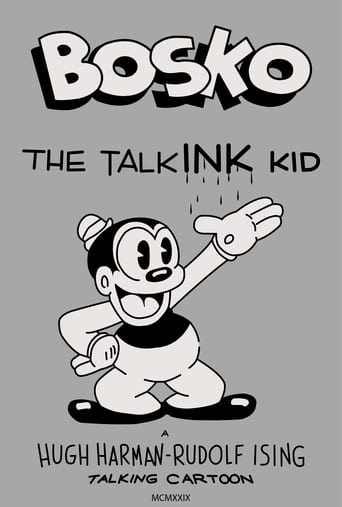
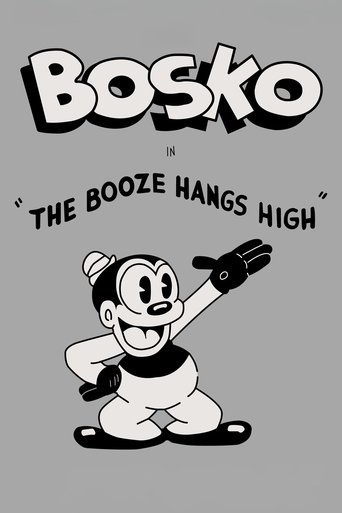
  • This is an early Bosko cartoon, part of the foundational period before the character’s transition from a simple experiment into a recurring series star.
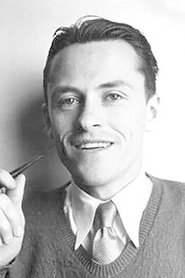
  • Hugh Harman directed the short, and it reflects his and Rudolf Ising’s interest in combining cartoon action with music-driven animation.
  • Johnny Murray is credited in connection with the film’s voice work, as he was one of the key performers associated with Bosko in the earliest Warner cartoons.
  • The short uses the basic logging setup only as a starting point before pivoting into a more whimsical musical fantasy, which was common in early sound cartoons.
  • The cartoon is representative of the period when the studio was exploring how to integrate sound effects, song, and visual gags into animated storytelling.
  • Bosko’s characterization in these shorts often leaned toward cheerful improvisation, and this film is a good example of him responding to the world with music rather than force.
  • The film belongs to the early Looney Tunes era, before the more familiar later Warner Bros. style and character lineup fully emerged.
  • As with many early 1930s cartoons, the humor depends heavily on rhythmic movement and visual timing rather than dialogue-heavy scenes.

What Critics Said

Contemporary critical response specific to The Tree's Knees is not widely documented in surviving mainstream reviews, which is common for many early animated shorts. In retrospect, the film is appreciated primarily by animation historians and classic-cartoon enthusiasts rather than as a major standalone title. Modern assessments tend to view it as a representative early Bosko vehicle: charming, musically inventive, and historically revealing, even if it is not as polished or as widely circulated as later Warner Bros. cartoons. Its value today lies more in its place within animation history than in any major critical consensus from its original release period.

What Audiences Thought

Audience reception data for individual theatrical shorts from 1931 is generally unavailable, especially for cartoons that played as program fillers rather than featured attractions. At the time, films like this would have been seen as part of a larger cinema program and judged mainly on immediate entertainment value, novelty, and humor. The combination of Bosko’s playful antics, music, and dancing forest imagery would likely have appealed to general audiences accustomed to animated shorts as lightweight amusements. Today, the cartoon is mostly seen by enthusiasts, historians, and archival viewers interested in the origins of Warner Bros. animation.

Film Connections

Influenced By

  • Silent-era slapstick animation
  • Early synchronized sound cartoons
  • Musical revue and vaudeville traditions
  • Jazz-age novelty entertainment

This Film Influenced

  • Later Looney Tunes musical cartoons
  • Subsequent Warner Bros. animation shorts featuring music-driven gags
  • Later anthropomorphic nature fantasies in animation

Film Restoration

The film is preserved and known today through archival circulation and historical prints; it is not generally regarded as lost, though availability may vary by source and print quality.

Themes & Topics

Boskowoodsmanforestmusicdancing treesanimalssound cartoonearly Warner Bros.