Also available on: YouTube Archive.org
A Pleasant Journey

A Pleasant Journey

1923 United States
Childhood mischiefAuthority versus youthful rebellionImitation of adult behaviorFriendship and group teamworkComic mistaken identity

Plot

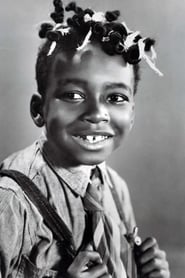
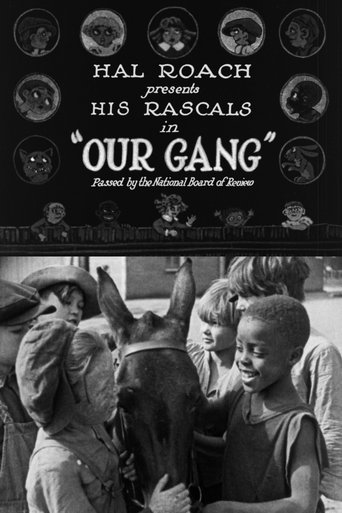
In this Our Gang short, Ernie and Farina set up a shoeshine operation that quickly turns into a nuisance for the local police, who become exasperated by the boys' hustle and antics. The gang's mischief escalates until the kids encounter a pair of runaways headed for a train, creating an opportunity for the boys to trade places with them. What begins as a simple comic caper develops into a typical Our Gang mix of childish entrepreneurship, mistaken identity, and affectionate chaos. The film plays as a small-scale adventure in which the children outwit adults, drift into trouble, and then restore the balance through slapstick and improvisation.

About the Production

Release Date 1923
Production Hal Roach Studios
Filmed In Hal Roach Studios, Culver City, California, USA

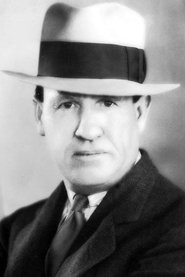
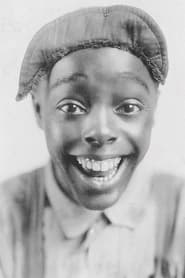
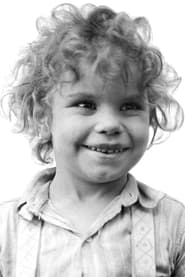
A Pleasant Journey is one of the early silent Our Gang comedies made under Hal Roach's supervision and directed by Robert F. McGowan, a key architect of the series' child-centered comic style. Like many shorts from the period, it was produced quickly and economically on the studio backlot with a focus on improvisational-feeling gags, physical comedy, and the children's interaction with authority figures. The film features Sunshine Sammy Morrison, Jackie Condon, and Mickey Daniels, all of whom were part of the evolving early Our Gang ensemble, and it reflects the series' practice of building stories around a simple premise that could be expanded through comic business. Precise budget, box office, and surviving production paperwork are not generally documented in modern reference sources for this title.

Historical Background

A Pleasant Journey was made in 1923, a period when the American film industry was rapidly standardizing feature production while two-reel comedy shorts remained a major part of theatrical programs. The Our Gang series emerged in the wake of World War I and during a time of significant social change, when urbanization, automobile culture, and child labor debates shaped public life and entertainment. The series is historically important because it placed children at the center of the action rather than treating them as miniature adults or strictly sentimental figures, and it often used their adventures to gently parody adult institutions like law enforcement, work, and class distinctions. This short belongs to the era when Hal Roach Studios was establishing a uniquely influential style of family comedy that would echo through later children's ensemble storytelling for decades.

Why This Film Matters

Although A Pleasant Journey is not among the most famous Our Gang entries, it contributes to one of the most culturally enduring comedy series in American film history. The short helps illustrate how early cinema normalized child-led ensemble comedy, creating a template for later television, cartoons, and family films that feature rambunctious groups of kids navigating the adult world on their own terms. Its significance also lies in the early visibility of Sunshine Sammy Morrison, whose role in the series remains important in discussions of African American presence in silent-era popular entertainment. As a surviving example of 1920s short-form comedy, it offers valuable insight into how studio filmmakers balanced slapstick, characterization, and social play in a format designed for broad exhibition.

Making Of

A Pleasant Journey was produced during the early-1920s peak of the silent Our Gang shorts, when Hal Roach Studios was building a durable formula around naturalistic child performance and carefully staged comic mayhem. Robert F. McGowan, the series' most influential early director, typically encouraged a loose, kid-driven rhythm that allowed scenes to feel spontaneous even when they were tightly planned. The casting of Sunshine Sammy Morrison, Jackie Condon, and Mickey Daniels reflects the studio's effort to balance distinctive child personalities within a recurring ensemble framework. Like many shorts of the period, the production likely relied on a combination of set dressing, studio exteriors, and minimal props, with the humor coming less from elaborate production design than from timing, reaction shots, and the children's mischievous behavior.

Visual Style

The film's cinematography would have been characteristic of early-1920s silent comedy: static to lightly adjusted camera setups, clear framing for physical business, and a focus on readable action rather than expressive camera movement. Like other Hal Roach shorts, it likely emphasized frontally staged scenes that allowed the children's gestures and reactions to remain legible within a single shot. Outdoor or backlot scenes would have provided a sense of openness for chase business and group movement, while interior sequences likely used simple compositions to keep attention on performance. The visual style prioritizes clarity, ensemble interaction, and the rhythm of gag escalation over elaborate lighting or camera effects.

Innovations

The film's main technical achievement lies in its efficient silent-comedy construction rather than in major innovations. It demonstrates the early mastery of short-form visual storytelling at Hal Roach Studios, where directors like Robert F. McGowan specialized in making children's actions easy to read and fun to follow without intertitles dominating the experience. The use of ensemble staging, comic timing, and simple action geography supports the film's blend of playground realism and carefully controlled slapstick. While it does not represent a known technical breakthrough, it is an instructive example of polished silent-era two-reel comedy craftsmanship.

Music

As a silent film, A Pleasant Journey did not have an original synchronized recorded soundtrack. It would have been shown with live musical accompaniment in theaters, typically provided by a pianist or small orchestra using cue-based improvisation or standard photoplay music. Any score heard in modern presentations is generally archival or newly commissioned accompaniment created for revival screenings, home video, or digital preservation materials. No single historically standardized original score is commonly documented for this title.

Memorable Scenes

  • Ernie and Farina turning their shoeshine hustle into a nuisance that irritates the police.
  • The gang encountering the runaways and deciding to swap places with them as part of the comic confusion.
  • The ensemble's playful interaction with authority figures, a hallmark of early Our Gang humor.

Did You Know?

  • The film is an early entry in the Our Gang series, later popularly known as The Little Rascals.
  • Robert F. McGowan was one of the most important creative figures in shaping the tone of the early Our Gang shorts.
  • Sunshine Sammy Morrison was the first Black child performer in the regular Our Gang cast, making the film historically significant within early studio-era ensemble comedy.
  • The plot centers on children taking on adult-like work and responsibilities, a recurring Our Gang theme.
  • The title suggests a light, travel-based adventure, but the film is primarily a street-level comedy built around the boys' schemes.
  • The presence of runaways and a train sequence fits the series' frequent use of transitional spaces such as streets, sidewalks, and rail yards as comic playgrounds.
  • As with many silent-era shorts, contemporary publicity details such as taglines and pressbook copy are not always preserved or easily verifiable.
  • The film is part of a period when the series was refining its formula of child autonomy, class satire, and gentle disorder.
  • Jackie Condon and Mickey Daniels were among the most recognizable child performers in the early phase of the franchise.
  • Because many silent shorts survive only in incomplete form or through archival references, specific scene-by-scene documentation may vary by source.

What Critics Said

Contemporary reviews for individual Our Gang shorts from the silent era were often sparse, and detailed criticism of A Pleasant Journey is not widely preserved in standard modern reference sources. In the period, the series as a whole was generally well regarded for its freshness, child realism, and dependable comedic appeal, and this title would have been consumed as part of that larger reputation. Modern interest tends to focus less on isolated reviews and more on the film's place within the development of the Our Gang formula, the performances of the child cast, and its archival value as an early example of the franchise. Today it is typically appreciated by classic-film historians and series completists rather than by general audiences encountering the title on its own.

What Audiences Thought

Audience reaction in 1923 was likely positive in the context of a theater program, where short comedies were expected to provide quick, reliable laughs between larger attractions. The Our Gang series had broad popular appeal because children and adults could enjoy its mix of innocence, slapstick, and mild rebellion against authority. As with many silent shorts, detailed audience metrics do not survive, but the continuing preservation and discussion of the film suggest that it was part of a commercially successful and culturally resonant run. Present-day viewers who seek it out usually do so as part of a larger interest in silent comedy, early child performers, or the evolution of the Our Gang series.

Film Connections

Influenced By

  • Silent slapstick comedy traditions
  • Vaudeville-style physical humor
  • Hal Roach's earlier short-comedy productions
  • Street-kid and delinquent-child comedy motifs

This Film Influenced

  • Later Our Gang / The Little Rascals shorts
  • Children's ensemble comedies featuring neighborhood adventure and mischief
  • Subsequent family comedies built around kid-led chaos

Film Restoration

The film appears to survive in archival form, but detailed preservation and restoration information is limited in widely accessible reference sources. Like many silent shorts, it is primarily of interest through archive holdings and historical film databases rather than through a heavily marketed restoration history. No major modern restoration campaign is commonly cited for this specific title.

Themes & Topics

shoeshine schemerunawaystrainpoliceOur Gang