1911 · Approximately 10 minutes

Also available on: Archive.org
Alkali Ike's Auto

Alkali Ike's Auto

1911 Approximately 10 minutes United States
Romantic rivalryModernity versus traditionVanity and self-importanceSocial status and courtshipComedy of technological novelty

Plot

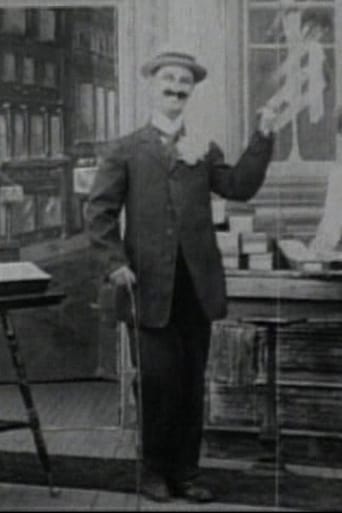
Alkali Ike and Mustang Pete are rivals for the attention of the same young woman, and each tries to outdo the other in courting her. Ike initially hopes to impress her with a simple horseback ride, but she prefers Pete's more polished outing in a horse-drawn carriage. Determined not to be outshone, Ike trades his horses for an automobile, believing the new machine will win the woman over and prove him the more modern suitor. His attempt at sophistication quickly turns into comic chaos, as the automobile creates problems rather than improving his chances. The film ends as a light western comedy built around vanity, rivalry, and the novelty of motorcars in the early 1910s.

About the Production

Release Date 1911
Production Broncho Film Company
Filmed In United States

This was an early short comedy made during the peak years of the Broncho Film Company and distributed in the nickelodeon era, when western comedy series were a popular attraction. Like many films from 1911, it was produced quickly and economically, likely on modest sets and outdoor locations associated with the California-based Western productions of the period. The film is part of the Alkali Ike series, a recurring comic western vehicle built around Augustus Carney's character, and it reflects the period's fascination with modern transportation juxtaposed against frontier life. Precise production budget, box office data, and exact shooting sites are not surviving in reliable public records.

Historical Background

Alkali Ike's Auto was released in 1911, during a formative period in American cinema when the film industry was rapidly moving from one-shot actualities and simple novelties toward narrative storytelling and recurring character series. This was also the era of the nickelodeon boom, when short films dominated exhibition and western comedies were especially popular with audiences looking for fast, accessible entertainment. The automobile was still a relatively new and conspicuous presence in everyday life, so stories that contrasted cars with horses tapped directly into contemporary anxieties and amusements about modern technology. The film matters historically because it illustrates how early silent comedy absorbed current social changes into familiar frontier iconography, and because it belongs to the work of Gilbert M. Anderson, a foundational figure in the evolution of the screen western.

Why This Film Matters

Although not a famous surviving classic in the modern mainstream sense, the film is culturally significant as part of the early comic western tradition that helped shape the language of screen comedy and western stereotype. Its premise places the frontier against modernity, a theme that would recur throughout American film history as the Old West became a space for jokes about progress, mobility, and masculine pride. The Alkali Ike series contributed to the development of the recurring-character formula, which later became a staple of serial comedy and feature-film franchising. The film also serves as a historical document of how automobiles were initially perceived not just as transportation, but as fashionable objects with social meaning, especially in courtship narratives.

Making Of

Alkali Ike's Auto was made in the environment of early one-reel filmmaking, where production values were secondary to the immediacy of the gag and the appeal of a recognizable series character. Augustus Carney's Alkali Ike persona gave the production a built-in comic premise: a boastful, easily flustered western type whose pride is punctured by modern technology and romantic competition. Gilbert M. Anderson's direction likely drew on the efficient style typical of Broncho Film Company shorts, emphasizing readable action, broad pantomime, and a final escalation into physical comedy. The film's central joke—trading horses for an automobile in order to impress a woman—shows how early filmmakers mined contemporary social change for humor, using the car as both a status object and a source of mechanical trouble.

Visual Style

The cinematography would have been typical of early 1911 American one-reel production, with a mostly fixed camera, simple staging, and action played in full view for maximum clarity. Visual comedy in this period depended on strong blocking and exaggerated physical business rather than editing complexity, so the film likely relies on readable entrance-and-exit patterns, broad gestures, and the visual contrast between horse-drawn transport and the automobile. Outdoor western settings would have provided natural light and open space for the comic action, helping the gag land through spatial clarity. The film's visual appeal comes less from camera movement than from the staging of a modern object within a frontier milieu.

Innovations

The film does not appear to be associated with a major technical innovation, but it is notable for using a contemporary technological novelty—the automobile—as the basis for a visual comedy premise. In 1911, simply integrating a car into a western setting would have been an effective form of spectacle and modernity-themed humor. Its significance lies in how efficiently it packages a social trend into a clear narrative structure within a short runtime. The film also exemplifies early serial production methods, where recurring characters and simple, high-concept premises were used to maximize audience recognition.

Music

No original synchronized soundtrack was created, as the film predates sound cinema. Like other silent-era releases, it would have been shown with live musical accompaniment in theaters, likely by a pianist, organist, or small ensemble depending on the venue. There is no single standardized modern score universally associated with the film, although contemporary restorations or archive screenings may use curated silent-film accompaniment.

Famous Quotes

No verified surviving dialogue or intertitles are reliably documented for this film.
As a silent film, any quoted lines would have depended on surviving title cards, which are not widely documented in accessible modern sources.

Memorable Scenes

  • Alkali Ike deciding that a horse is no longer enough to win the woman he admires and trading it for an automobile in a bid to seem more impressive.
  • The comic contrast between the old-fashioned western courtship by horseback and the flashy modern carriage used by his rival.
  • The inevitable mishaps that arise once Ike puts his hopes in the automobile, turning his attempt at sophistication into slapstick failure.

Did You Know?

  • The film is part of the Alkali Ike comedy series, one of the better-known early western comedy brands of the 1910s.
  • Augutus Carney's Alkali Ike character was a recurring figure in silent-era comedy westerns and helped define the bumbling frontier stock type.
  • The plot uses the automobile as a comic symbol of modernity clashing with western horse culture, a very topical joke in 1911.
  • Gilbert M. Anderson, later famous as Broncho Billy, directed the film, linking it to one of the earliest major western stars and producers.
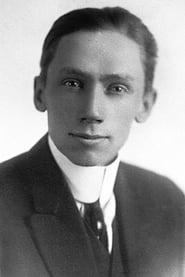
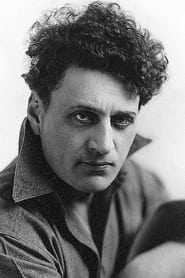
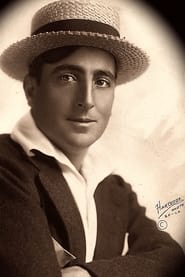
  • Harry Todd and Margaret Joslin were familiar performers in early western and comedy films and appeared in numerous shorts of the era.
  • The film reflects the rapid pace of silent short production, where a simple premise could be built into a complete one-reel comedy.
  • No widely circulating modern soundtrack is associated with the film, since it predates synchronized sound and would have been shown with live accompaniment.
  • Surviving documentation on many 1911 shorts is fragmentary, so some production details are known mainly through catalogs and filmographic references rather than full studio records.
  • The automobile gag is especially period-specific, capturing the novelty and social cachet that cars carried in the years before mass motoring became commonplace.
  • The film is a useful example of how early westerns often mixed romance, slapstick, and rural satire rather than focusing only on action.

What Critics Said

Contemporary reviews and trade commentary for many 1911 shorts were brief, and specific detailed criticism of Alkali Ike's Auto has not survived in a robust way. At the time, films of this type were generally reviewed in terms of their comic effectiveness, novelty, and usefulness for exhibitors, rather than as artistic works in the later feature-film sense. In modern assessment, the film is primarily of interest to silent-film historians, western scholars, and archivists studying early studio series, genre formation, and the work of Gilbert M. Anderson and Augustus Carney. Because it is a short, early comedy, it is usually discussed as a representative example of the period rather than as a stand-alone critical landmark.

What Audiences Thought

Audience reception is not well documented in surviving sources, but the film was designed for the broad popular tastes of nickelodeon-era viewers who enjoyed short, clear, gag-driven comedies. The combination of western romance, a familiar comic character, and the then-new novelty of an automobile would likely have made it appealing and easy to follow for general audiences. The series format suggests that Alkali Ike was recognized enough to attract repeat viewers, which was an important part of commercial success in early exhibition. As with many shorts of the period, any audience response would have been shaped by the live musical accompaniment and the immediate comic rhythm of the screening experience.

Film Connections

Influenced By

  • Early American vaudeville-style slapstick
  • The popular comic western short-form tradition of the late 1900s and early 1910s
  • Contemporary fascination with automobiles as a social novelty
  • Recurring-character comedy series popular in nickelodeon-era filmmaking

This Film Influenced

  • Later comic westerns built around bumbling frontier characters
  • Silent-era series comedies that relied on recurring characters and one-reel situations
  • Films and shorts that used automobiles as a source of comic disruption in rural settings

Film Restoration

Survival status is uncertain in widely accessible public records; the film is not commonly available and may survive only in archival holdings or fragmentary form. Like many 1911 shorts, it is best treated as a rare or minimally accessible silent film unless a specific archive copy is located. No widely known modern restoration is documented in general reference sources.

Themes & Topics