1924 · Approximately 60 minutes

Also available on: Archive.org
All Night Long

All Night Long

1924 Approximately 60 minutes United States
Postwar memory and nostalgiaRomantic rivalryMale insecurity and comic self-undoingMilitary camaraderieInnocence versus experience

Plot

Harry, an easygoing young Marine, runs into his old sergeant after the war and is immediately pulled back into memories of their service in France. The encounter stirs up a comic rivalry that had once centered on a girl both men courted while stationed overseas, turning a chance meeting into a series of flashbacks and misunderstandings. As Harry relives the competition, the film plays the situation for broad physical comedy and romantic confusion, with the hero trying to prove himself despite his trademark innocence and bad luck. The story moves between present-day embarrassment and wartime recollection, building toward a resolution that settles the old grudge and leaves Harry in a more favorable position with the woman in question. Like many Harry Langdon vehicles, the narrative is simple but designed to showcase his unique blend of childish sincerity, awkwardness, and accidental triumph.

About the Production

Release Date 1924-11-30
Production Harry Langdon Productions, First National Pictures
Filmed In United States, Studio production, likely on California soundstages and backlot exteriors

All Night Long was made during the height of Harry Langdon’s silent-comedy fame, when studios were tailoring features around his distinctive comic persona. The film is one of Langdon’s late silent features and reflects the polished, carefully staged style associated with his work under studio supervision rather than improvised slapstick. Because the picture is from the silent era, detailed production records are limited, and surviving documentation tends to focus more on cast and release information than on day-to-day shooting anecdotes. The title has sometimes caused confusion with later films of the same name, so this 1924 comedy should be distinguished from unrelated remakes and sound-era titles. Existing references indicate a standard studio production for First National, with Harry Edwards directing and Harry Langdon starring in one of his characteristic shy-hero roles.

Historical Background

All Night Long was released in 1924, only a few years after the end of World War I, when American popular culture was still full of stories shaped by wartime experience and postwar adjustment. Silent comedy often absorbed recent history and turned it into familiar entertainment, and this film’s Marine-and-France setting places it squarely in that trend. The movie also belongs to the mature period of the silent film industry, when studios like First National were building vehicles around recognizable stars and optimizing comedy for a broad national audience. At the same time, Harry Langdon was emerging as a major comic presence, and his brand of hesitant, almost dreamlike humor offered a contrast to the more anarchic styles of Chaplin, Keaton, and Lloyd. The film therefore matters both as a postwar comedy and as a document of Langdon’s brief but influential rise in silent cinema.

Why This Film Matters

The film’s cultural significance lies mainly in its place within Harry Langdon’s body of work and in the broader development of silent-screen comedy. Langdon’s persona influenced later comic performers who favored deadpan awkwardness, emotional innocence, and slow-burn reactions over overtly aggressive slapstick. Although All Night Long is not among the most famous silent comedies, it helps illustrate how studio-era comedians were packaged for mass audiences and how wartime memories were softened into romantic farce. Its value today is also archival: it represents a surviving example of a genre, style, and star vehicle that shaped the rhythms of American screen comedy in the 1920s. For classic-film historians, the movie is significant as part of the historical record around Langdon’s career and the work of directors like Harry Edwards who helped structure silent-comic feature films.

Making Of

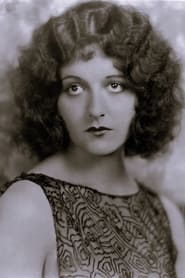
All Night Long was made as a star vehicle for Harry Langdon, whose screen appeal depended on precise timing, expression, and a naive persona that differed from the frantic energy of many silent comedians. The production fits the late silent-era studio model in which comic features were assembled quickly but still carefully designed around established audience expectations. Harry Edwards directed the film, helping shape the interplay between Langdon’s understated reactions and the more assertive supporting characters played by Natalie Kingston and Vernon Dent. As with many surviving records from the period, the film’s behind-the-scenes history is only partially documented, so much of what can be said comes from its context within Langdon’s career and the production practices of First National Pictures. The film’s military-comedy premise also reflects a popular postwar trend in the 1920s, when studios frequently mined wartime memories for light entertainment rather than grim realism.

Visual Style

The cinematography of All Night Long would have relied on the visual clarity and staging conventions of mid-1920s silent comedy, emphasizing readable action, expressive faces, and carefully blocked business. Silent comedies of this type typically used static or lightly moving camera setups, allowing performers like Langdon to play out physical reactions in full view without the distraction of rapid cutting. The film’s wartime flashbacks and romantic sequences likely depended on straightforward visual storytelling, intertitles, and contrast between present-day encounters and remembered episodes in France. Rather than showy camera movement, the style would have favored clean composition and timing, enabling Langdon’s subtle gestures and Vernon Dent’s more forceful comic presence to register clearly. As a period piece, its visual approach belongs to the refined studio comedy tradition of the mid-1920s.

Innovations

All Night Long does not appear to be associated with major technical innovations, but it represents the strong visual storytelling standards of late silent comedy. Its technical achievement lies in the clarity with which it must communicate plot, character motivation, and comic reversal without sound. The film likely relies on precise staging, expressive acting, and efficient use of intertitles to sustain momentum through flashbacks and romantic complications. As a studio comedy, it demonstrates the polished production values and timing discipline that characterized successful silent features of the mid-1920s. Its enduring value is more historical than technological, preserving the methods of a mature silent-era comic feature.

Music

As a silent film, All Night Long originally had no synchronized recorded soundtrack. Like most releases of its era, it would have been exhibited with live musical accompaniment, which may have included a theater pianist, organist, or small ensemble depending on the venue. No universally standard original score is widely documented for the film, and surviving presentations today typically use archival or newly compiled silent-film accompaniments. The music would have been intended to reinforce comic timing, romantic sentiment, and military atmosphere rather than to function as a fixed authored score. Modern screenings may feature bespoke restoration scores depending on the archive or distributor handling the print.

Memorable Scenes

  • Harry’s chance encounter with his old Marine sergeant, which triggers the film’s comic flashbacks and reignites the old romantic rivalry.
  • The France-set wartime recollections, which transform a military memory into a source of romantic misunderstanding and physical comedy.
  • The scenes in which Harry’s shy, hesitant reactions contrast with the more forceful behavior of his rival, creating the film’s central comic tension.

Did You Know?

  • This film stars Harry Langdon during the period when he was one of the most distinctive comic performers in American silent cinema.
  • The story uses a Marine setting and a French wartime backdrop, giving the comedy a post-World War I flavor that was common in the mid-1920s.
  • The picture is a silent short feature rather than a long prestige production, which was typical for many comedian-led releases of the era.
  • Harry Edwards, the director, worked on a number of silent comedies and was part of the studio system that shaped star vehicles around specific comic personalities.
  • The film is often discussed as part of the sequence of Harry Langdon features that helped define his screen image as a vulnerable, slow-reacting innocent.
  • Because it shares its title with later films, it is easy to confuse this movie with unrelated productions unless the year 1924 is specified.
  • Natalie Kingston, one of the principal cast members, appeared in numerous silent-era pictures and serials and was often cast as a romantic lead.
  • Vernon Dent was a familiar supporting player in comedy films and became especially well known for his later work with the Three Stooges.
  • The film reflects the silent-comedy tradition of turning romantic jealousy into exaggerated physical business and situation comedy.
  • Surviving information about the film is comparatively sparse, which is common for many mid-1920s silent releases that were not preserved as extensively as major studio features.

What Critics Said

Contemporary reviews for many silent comedies from this period are not as extensively documented in surviving mainstream archives as those for major dramatic releases, and specific detailed critical notices for All Night Long are limited. In general, Harry Langdon’s 1920s work was admired for its unusual pacing, gentle humor, and expressive visual style, even when individual films were less celebrated than his best-known features. Modern critical interest tends to focus less on All Night Long as a standalone title and more on its place in Langdon’s filmography and the evolution of silent comedy performance. When discussed today, the film is usually treated as a worthwhile artifact of Langdon’s peak studio years rather than a canonical masterpiece. Its reception among historians is largely shaped by appreciation for preservation, performance style, and the scarcity of surviving silent comedies from the era.

What Audiences Thought

Audience reception for silent-era comedy shorts and features was often driven by star appeal, and Harry Langdon had a loyal following during the mid-1920s. Viewers who responded to his gentle, fumbling comic style would likely have recognized the familiar pleasures of his persona in All Night Long, especially the mix of romance, confusion, and physical humor. Because the film is not one of the most widely circulated Langdon titles today, modern audience reception is harder to measure and tends to depend on access through archival screenings or specialized classic-film platforms. Among silent-film enthusiasts, the movie is appreciated primarily as part of the Langdon canon and as a representative example of 1920s comedy craftsmanship. General audience awareness is limited, but classic-comedy fans often value it for historical interest and for its lead performance.

Film Connections

Influenced By

  • World War I homecoming stories
  • Silent romantic comedies of the early 1920s
  • Harry Langdon's established stage-and-screen comic persona
  • Broad military farce traditions in American vaudeville and silent film

This Film Influenced

  • Later Harry Langdon vehicles that emphasized innocence and romantic awkwardness
  • Subsequent silent and early sound comedies built around shy, bemused protagonists

Film Restoration

The film is believed to survive in at least some archival form and is not generally classified as a completely lost film, though surviving prints and restoration details are not as widely documented as those of the most famous Langdon titles. Availability may be limited and quality may vary depending on the source. Like many silent comedies, it is primarily encountered through archives, specialty screenings, or collectors’ copies rather than broad commercial circulation.

Themes & Topics