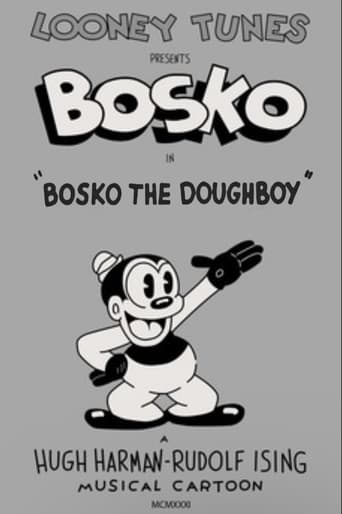
Bosko's Holiday
Plot
Bosko and Honey set out for a cheerful picnic in the countryside, bringing the lighthearted optimism that defined the early Looney Tunes cartoon shorts. Their outing quickly goes awry as Bosko’s attempts to prepare, entertain, and enjoy the picnic are repeatedly disrupted by comic mishaps and escalating animal chaos. The short turns the ordinary pleasure of a picnic into a sequence of slapstick setbacks, with the environment itself seeming to conspire against the couple. As with many early Bosko cartoons, the story is built less around narrative complexity than around fast gags, musical play, and escalating physical comedy that culminates in a bad end to what should have been a pleasant day.
Director
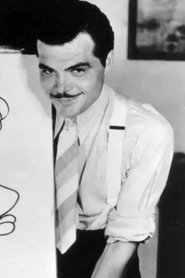
Rudolf IsingAbout the Production
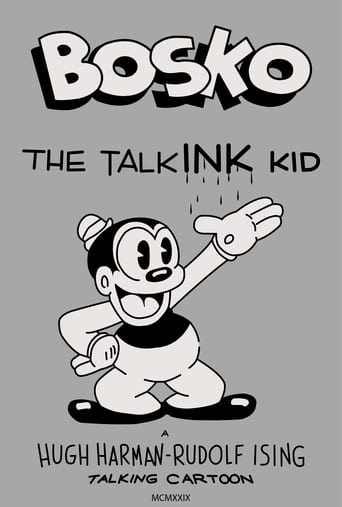
Bosko's Holiday is an early black-and-white Looney Tunes short from the period when Harman and Ising were defining the studio's house style around the Bosko character. Like many cartoons of 1931, it was produced as a tightly paced musical-comedy short, with animation timed to musical beats and gag rhythms rather than to a complex plot. The film reflects the transitional moment in sound-era animation when studios were still experimenting with how best to integrate music, dialogue, effects, and character action. Rochelle Hudson and Johnny Murray are associated with the character voices and vocal performances in the period, though the surviving documentation for many early shorts is incomplete and credits can vary by source. Precise production budget, box office, and exact release-day paperwork are not commonly preserved for this title.
Historical Background
Bosko's Holiday was produced in 1931, at the height of the Great Depression, when audiences were especially receptive to short-form entertainment that offered brief escape, music, and visual comedy. It also arrived during a crucial evolutionary stage in American animation, only a few years after synchronized sound had transformed the cartoon short into a major theatrical attraction. Warner Bros. was still building its animation identity, and the Bosko series helped establish the studio's presence in the field before the later dominance of characters such as Bugs Bunny and Porky Pig. The film reflects a transitional period in which animated characters were still somewhat fluid in design, personality, and voice performance, and before the studio's house style became more sharply defined. In that sense, the short matters less as a standalone landmark of plot than as part of the foundation of the Warner cartoon tradition.
Why This Film Matters
While Bosko's Holiday is not among the most famous Warner Bros. cartoons, it is culturally significant as part of the early Bosko cycle that helped launch the studio's animation brand. The short belongs to a period when animation was rapidly becoming a mainstream theatrical form, and these cartoons helped normalize the idea of recurring animated stars with recognizable personalities. Its picnic-and-chaos structure is representative of a broader comic tradition that influenced countless later animated shorts and television cartoons. The film is also important for historians because it documents early attempts at integrating music, character comedy, and sound effects in ways that would become standard in animation. For fans of classic animation, it remains a useful artifact of the pre-golden-age Warner style and the transition from simple novelty cartoons to more sophisticated character-driven comedy.
Making Of
Bosko's Holiday was made during the formative years of Warner Bros. animation, when Hugh Harman and Rudolf Ising were establishing a dependable production pipeline for short cartoons. The team was working under the constraints of early sound animation, which demanded careful synchronization of movement, music, and effects, and that rhythm heavily shapes the film's structure. The short likely drew on the studio's then-common approach of building cartoons around a simple domestic or outdoor premise that could support a sequence of gags rather than a complicated story. Like many Bosko entries, it is notable for its emphasis on musical motion and broad comic action, with Bosko's personality framed through jaunty movement and reaction-based humor. Surviving credits and production paperwork for these early shorts are not always complete, so some modern source material relies on studio records and later archival compilation rather than the film's original titles alone.
Visual Style
As an animated short, Bosko's Holiday relies on hand-drawn visual design rather than live-action cinematography, but its visual style is characteristic of early 1930s theatrical cartoon production. The film uses black-and-white imagery, broad staging, and clear silhouette-based action so that gags remain legible even in rapid motion. Backgrounds and character movement are arranged to support music synchronization and punchline timing, with emphasis on readable physical comedy rather than elaborate scenic realism. The outdoor picnic setting gives the animators room to stage varied actions across open space, and the short likely uses the era's typical fluid, sometimes rubber-hose animation style. The visual rhythm is simple but effective, with the picture often designed to move in step with the soundtrack.
Innovations
Bosko's Holiday is notable primarily for its synchronization of animation and sound at a time when that was still a relatively new and evolving craft. The cartoon demonstrates the early Warner approach to integrating music as a structural backbone for animated comedy. Its gags are timed to sound effects and musical beats in a way that shows the maturation of sound cartoon technique from novelty toward a more polished theatrical form. The short also reflects the period's developing standards for character animation consistency, expressive reaction shots, and physical comedy staging. It is not known for a single headline innovation, but it is historically important as part of the technical consolidation of early sound animation.
Music
The short was made in the early sound-cartoon period, so music is central to its effect and structure. As with many Bosko cartoons, the soundtrack likely combines instrumental scoring, synchronized effects, and vocal bits to drive the action and emphasize gags. Musical timing was an essential storytelling device in this era, often substituting for complex dialogue or exposition. The film's title itself suggests a light, vacation-like tone that would have been reinforced by jaunty cues and comic sound punctuation. Specific surviving cue-sheet information is not widely documented in accessible sources for this title.
Memorable Scenes
- Bosko and Honey setting out for a cheerful picnic that establishes the short's bright, playful mood before the inevitable disaster.
- A sequence of escalating outdoor gags in which the picnic setting becomes a stage for slapstick interruptions and comic animal behavior.
- The final collapse of the picnic outing into disorder, turning an ordinary leisure activity into a full-blown cartoon catastrophe.
Did You Know?
- Bosko's Holiday is part of the early Bosko series, one of the first major recurring cartoon-character vehicles produced for Warner Bros.
- The short belongs to the pre-code, early sound-cartoon era when animated shorts often relied heavily on musical accompaniment and rhythmic gag construction.
- Bosko was created by Hugh Harman and Rudolf Ising and served as an early flagship character for the Warner cartoon line before the studio shifted toward other characters.
- Honey, Bosko's frequent companion in the early shorts, reflects the era's tendency to pair cartoon leads in mildly romantic or domestic situations.
- The cartoon's picnic premise was a common setup in early animation because it allowed for a steady escalation of animal antics, food gags, and environmental slapstick.
- Rudolf Ising directed the film during the period when he and Harman were still closely associated with Warner Bros. before later moving on to other studio work.
- The short is historically interesting because it shows the rougher, more open-ended style of early 1930s animation before later Warner cartoons became more aggressively satirical and fast-cut.
- Many Bosko cartoons from this era survive as important examples of the studio's formative period, even though they are less widely seen today than later Looney Tunes and Merrie Melodies entries.
- The film is an example of how early sound cartoons often used simple outdoor scenarios to justify musical numbers, animal sound effects, and synchronized action.
- Because documentation for early Warner shorts can be inconsistent, some cast and credit details are reconstructed from archival research rather than from on-screen credit titles.
What Critics Said
Contemporary critical reception for Bosko's Holiday is not extensively documented in readily surviving mainstream review sources, which is common for short cartoons of this era. At the time, such shorts were generally reviewed more as part of a theatrical program than as individual works, and success was often measured by audience response and exhibitor utility rather than by feature-film style criticism. Modern critics and animation historians tend to view the film as a modest but valuable example of early Warner Bros. cartoon craftsmanship, especially for what it reveals about the Bosko era. Its interest today lies primarily in historical context, animation style, and studio development rather than in being considered a major artistic milestone. As a result, reception is usually summarized positively in archival and historical terms, though not with the level of commentary reserved for later classic cartoons.
What Audiences Thought
Original audience response is not well documented in surviving box-office records or detailed fan accounts, but short cartoons like Bosko's Holiday were intended to play broadly and appeal to theatergoers of all ages. The film's simple setup, music-driven pacing, and slapstick mishaps would have fit comfortably into the kind of mixed program that audiences expected in 1931. Early Bosko cartoons were popular enough to keep the character in circulation for several years, suggesting that viewers responded well to the combination of personality, music, and chaotic humor. Today, the film is most likely to be appreciated by animation enthusiasts, scholars, and viewers interested in the early Warner Bros. library rather than by mainstream audiences encountering it casually.
Film Connections
Influenced By
- Early silent-era slapstick comedy
- Vaudeville-style comic timing
- Synchronized sound cartoons of the late 1920s and early 1930s
- The developing Disney musical-cartoon model
This Film Influenced
- Later Warner Bros. cartoon shorts
- Recurring-character theatrical cartoons of the 1930s and 1940s
- Music-driven animated comedy shorts
You Might Also Like
More Comedy Films
View allMore from Rudolf Ising
View allFilm Restoration
The film is preserved and known to survive in archival form, though like many early Warner Bros. cartoons it is less commonly circulated than later studio shorts. It is generally treated as an extant historical animation title rather than a lost film.