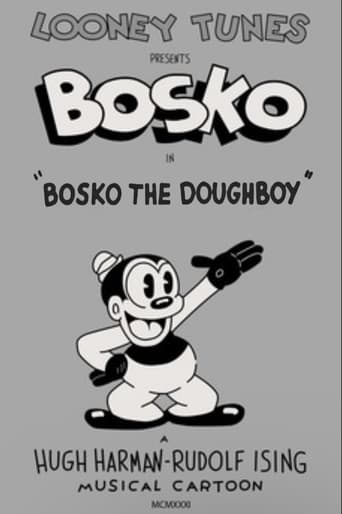
1931 · 7 minutes

Also available on: Wikimedia
Bosko's Soda Fountain

Bosko's Soda Fountain

1931 7 minutes United States
Workplace chaosAuthority figures in comic reversalFrustration and mismanagementSlapstick escalationEarly sound-era musical comedy

Plot

Bosko works as a soda jerk in a lively but chaotic drugstore soda fountain, where his cheerful energy quickly gives way to slapstick frustration. When a mouse comes in for service, Bosko offers poor and careless treatment, setting off a chain of comic retaliation and escalating mishaps. His day grows even more difficult when his former schoolteacher arrives, forcing him into an uncomfortable and awkward professional interaction that turns into another round of gags. The trouble intensifies further when Honey's bratty younger brother Wilbur appears, creating still more disruption and pushing Bosko into a frantic struggle to keep the fountain under control.

About the Production

Release Date 1931
Production Harman-Ising Productions, Warner Bros. Pictures
Filmed In United States, Warner Bros. animation production facilities in Hollywood

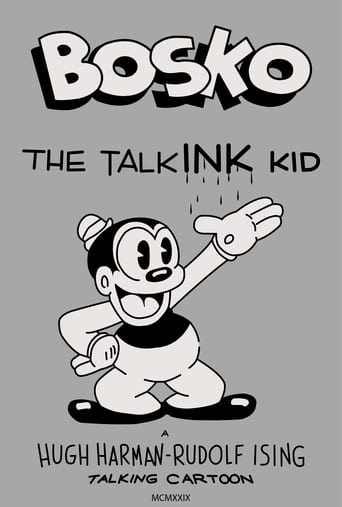
Bosko's Soda Fountain is an early Looney Tunes short produced during the period when Harman and Ising were building the Bosko series for Warner Bros. The film is notable for combining music-driven animated gags with the then-new sound cartoon style that the studio was using to compete in the early 1930s. As with many cartoons of the era, individual animation staff credits are not consistently documented in modern sources, and surviving production records are limited. The short reflects the transitional years of synchronized-sound animation, when character personalities, rhythmic action, and musical punctuation were becoming central to studio cartoon identity.

Historical Background

Bosko's Soda Fountain was released in 1931, during the depths of the Great Depression, when American cinema served as both affordable escape and a rapidly evolving entertainment medium. The early 1930s were a particularly important moment for animation, as studios were still adjusting to synchronized sound and exploring how to make cartoons commercially viable, character-driven, and musically expressive. Warner Bros. was in the process of building its own animation brand, with Bosko serving as one of the studio's first recurring stars in the Looney Tunes line. The short also reflects pre-Code Hollywood's looser comic sensibilities, when cartoons could be more chaotic, suggestive, and freewheeling than they would become later in the decade.

Why This Film Matters

The film matters primarily as an early artifact of Warner Bros. animation history and as part of the development of the studio cartoon format that would eventually lead to the classic Looney Tunes and Merrie Melodies tradition. Bosko was the first major recurring character associated with Warner Bros.' cartoon identity, making shorts like this an important part of the company's animation foundation even if they are less widely remembered today. The short also illustrates how early sound cartoons used music, rhythm, and visual exaggeration to create a new kind of screen comedy distinct from live-action slapstick. For historians, it is valuable as evidence of how animated character comedy and musical timing evolved in the first years after synchronized sound became standard.

Making Of

Bosko's Soda Fountain was created at a time when Harman and Ising were refining the Bosko character into a versatile animated lead who could be dropped into a variety of comic situations. The soda fountain setting gave the filmmakers a practical excuse for energetic motion, musical timing, and visual improvisation, all of which were essential to early sound cartoons. Rudolf Ising's direction reflects the studio's approach of building gags around simple workplace scenarios and then escalating them through increasingly frantic animation. Because production documentation from this period is sparse, many details about exact staff assignments and the day-to-day making of the short have not survived in comprehensive form, but the film clearly belongs to the wave of early Warner Bros. cartoons that helped establish the studio's animation identity.

Visual Style

As an animated short, the film's visual style depends on broad, elastic staging rather than live-action cinematography. The cartoon likely uses the clear, frontal compositions common to early 1930s animation, with movement organized around simple backgrounds and expressive character poses that keep the viewer focused on gags. Early Bosko cartoons often relied on rhythmic action, rapid physical transformation, and musical synchronization, and Bosko's Soda Fountain fits that tradition with its busy workplace setting. The animation style is characteristic of the period's limited but energetic approach, prioritizing motion, timing, and comic clarity over background detail.

Innovations

The film's technical significance lies in its integration of sound, timing, and animated action during a period when the language of sound cartoons was still being developed. Its comedy depends on precise synchronization between character movement and audio cues, a hallmark of early 1930s animation. Though not a technical breakthrough in the sense of later color or feature-animation milestones, it represents the growing sophistication of Warner Bros.' short-form cartoon production. The short also demonstrates how early animators could turn a mundane setting into a stage for elaborate visual timing and musicalized slapstick.

Music

The short belongs to the early sound-cartoon era, when music and sound effects were central to the structure of the comedy. Bosko cartoons from this period typically used lively musical accompaniment to punctuate actions, accentuate slapstick, and help coordinate gags with movement on screen. While detailed cue-by-cue scoring information is not consistently documented in modern sources, the soundtrack would have been an essential storytelling tool rather than mere background decoration. The soda fountain setting also lends itself naturally to musicalized sound effects such as clinks, splashes, and rhythmic mechanical noises.

Famous Quotes

No verifiable standalone spoken quotes from surviving reference sources are commonly cited for this short.
As an early animated comedy, the film is better known for its visual gags than for memorable quoted dialogue.

Memorable Scenes

  • Bosko juggling the demands of the soda fountain while trying to serve customers efficiently, only for everything to spiral into comic disorder.
  • The mouse customer's poor treatment, which triggers one of the short's central slapstick exchanges.
  • The uncomfortable encounter with Bosko's former schoolteacher, turning a simple customer visit into a comic authority-figure gag.
  • Honey's bratty Wilbur causing additional disruption and forcing Bosko to manage yet another source of chaos.
  • The finale-style escalation in which the soda fountain environment becomes a machine for rapid-fire visual jokes and mishaps.

Did You Know?

  • This short is part of the early Bosko series, one of Warner Bros.' first major animated properties before the later dominance of Bugs Bunny and the other classic Looney Tunes characters.
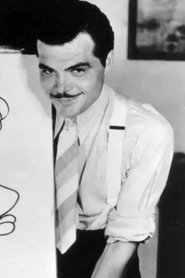
  • Rudolf Ising directed the film during the formative years of the Harman-Ising partnership, which helped establish Warner Bros.' cartoon output in the early sound era.
  • The character of Honey appears in this period of the Bosko cartoons, reflecting the studio's attempt to build a recurring supporting cast around Bosko.
  • The film's setting in a soda fountain allowed the animators to stage a wide range of visual and musical gags involving ice cream, syrup, and exaggerated customer service chaos.
  • Like many early Warner Bros. cartoons, the short emphasizes synchronized action and sound effects rather than complex narrative continuity.
  • Bosko cartoons from this era often mixed domestic or workplace comedy with broad ethnic and musical caricature conventions that were common in early 1930s animation.
  • The short is often discussed by animation historians as part of the pre-Code era of American cartoons, when studios experimented freely with adult-oriented humor and social satire.
  • The film survives in modern references and database records, indicating that it is not a lost title, though availability to the public has historically been limited compared with later Looney Tunes shorts.
  • The use of a former schoolteacher as a comic customer fits a recurring animated gag pattern in which authority figures are brought into absurd everyday situations.
  • Bosko's Soda Fountain belongs to a crucial transitional moment in animation history, when personalities were still being defined before the standardized style of later studio shorts took hold.

What Critics Said

Contemporary critical coverage of individual early-1930s animated shorts was often limited, so detailed reviews of Bosko's Soda Fountain are not widely preserved in modern reference sources. In retrospect, the film is usually assessed by animation historians as a solid example of early sound-era Warner Bros. cartooning rather than a landmark title on the scale of later studio classics. Its importance is tied less to prestige and more to its role in establishing character-based comic timing, recurring settings, and the studio's evolving house style. Modern viewers and historians tend to value it as a historical document of the Bosko era and early pre-1934 Looney Tunes production.

What Audiences Thought

Specific audience response data from the period is not readily available, which is common for short animated subjects from the early 1930s. As a theatrical cartoon released alongside live-action features, it would have functioned as light comic entertainment for general movie audiences rather than as a standalone prestige attraction. Today it is mainly of interest to animation fans, historians, and collectors who follow early Warner Bros. output and the pre-Bugs Bunny period. Its modern audience reception is therefore shaped more by historical curiosity and archival interest than by mainstream popularity.

Film Connections

Influenced By

  • Early sound shorts and vaudeville-based slapstick comedy
  • Disney's synchronized sound cartoons of the late 1920s
  • Silent-era animated comedy traditions
  • Broad musical revue and novelty acts

This Film Influenced

  • Early Warner Bros. Looney Tunes and Merrie Melodies shorts
  • Later character-driven studio cartoons using music-and-gag structure
  • Subsequent animated workplace comedies

Film Restoration

The film survives in archival and reference records and is not generally classified as a lost film. Like many early Warner Bros. cartoons, its circulation has historically been limited, but it is considered extant rather than missing. Availability can vary by archive, home-video collection, and online platform, and public access may depend on restoration and rights availability.

Themes & Topics