Broncho Billy and the Greaser
Plot
Broncho Billy encounters a young woman who is being harassed by a Mexican thug, and he intervenes on her behalf. The insulted man vows revenge and later engineers Billy's capture, taking advantage of an opportunity after Billy has helped rescue a lost old man. Held prisoner, Billy appears to be in grave danger until the young woman discovers his predicament. She rides quickly to town for assistance, and the townsmen assemble and gallop to his rescue. The film plays out as a compact, action-driven western in the Broncho Billy series, emphasizing quick moral action, frontier danger, and a rescue-by-community ending.
About the Production
This short western was made during the peak of Gilbert M. Anderson's Broncho Billy series, when Essanay was turning out large numbers of one-reel frontier films for the early nickelodeon market. As with many productions from the period, exact surviving production records are sparse, so details such as budget, unit crew beyond the credited director, and precise shooting locations are not fully documented. The film is associated with the Broncho Billy brand and the standardized formula that made Anderson one of the most recognizable western performers of the 1910s: a principled cowboy, quick conflict, and a rescue or moral reversal at the end. Surviving references indicate a straightforward production typical of Essanay's efficient assembly-line approach to short films in 1914.
Historical Background
In 1914, American cinema was rapidly transitioning from short subjects to longer and more elaborate narratives, yet one-reel westerns remained highly popular with theater audiences. This film was made during the pre-World War I silent era, when the western had already become a dependable genre for ideals of frontier justice, racial and ethnic stereotypes, and clear-cut heroism. The Broncho Billy series was especially important because it helped codify the western hero as a recognizable, recurring screen type rather than a one-off character. Historically, the film also reflects the era's casual use of discriminatory terminology and stereotyped portrayals, which are important for modern viewers and historians to acknowledge when studying early Hollywood.
Why This Film Matters
The film belongs to the Broncho Billy cycle that helped establish the western as a defining American screen genre. Gilbert M. Anderson's Broncho Billy persona was one of the earliest recurring heroes in U.S. cinema, prefiguring the later popularity of serial characters and long-running genre icons. While this particular title is not among the most famous Broncho Billy entries, it contributes to the broader importance of the series in shaping the mythology of the American West on film. Today, the film is also significant as a historical artifact of early 20th-century attitudes, especially in its language and ethnic representation, which offer insight into the prejudices embedded in popular entertainment of the time.
Making Of
Broncho Billy and the Greaser was produced at a time when Gilbert M. Anderson was one of the busiest and most recognizable figures in silent western filmmaking. The Broncho Billy brand was built around speed, familiarity, and repetition, so films were typically produced quickly and economically, often with a small company of stock players and practical outdoor locations. Anderson's dual role as director and star reflects the hands-on nature of early studio production, especially for short subjects aimed at rapid distribution. Specific behind-the-scenes anecdotes for this title have not survived in widely available records, but its existence fits squarely within Essanay's industrial system of making westerns that could be released in quick succession to satisfy audience demand.
Visual Style
The film would have employed the straightforward, static camera style common to 1914 silent shorts, with the action staged clearly for maximum legibility. Early westerns like this often relied on open-air filming, medium-wide compositions, and minimal camera movement so that riders, chases, captures, and rescues could be easily followed. The visual style likely emphasizes physical action over psychological nuance, with the landscape functioning as a practical arena for pursuit and rescue. In keeping with Essanay practice, the cinematography was probably designed for speed, clarity, and efficient storytelling rather than stylistic flourish.
Innovations
The film does not appear to be associated with major technical innovations, but it is representative of the streamlined craftsmanship that made early one-reel westerns effective. Its chief technical strength lies in economical visual storytelling: a brief setup, rapid escalation, a prisoner sequence, and a mounted rescue climax. The production illustrates early silent-era mastery of outdoor action staging and the efficient use of intertitles and physical performance to convey plot. In a broader sense, the recurring-character format itself was an important industrial and narrative development in early American cinema.
Music
As a silent film, Broncho Billy and the Greaser had no synchronized recorded soundtrack. At the time of release, it would have been accompanied in theaters by live music, often from a pianist or small ensemble, with the exact accompaniment varying by venue. No original score is known to survive for this title. Modern presentations of silent films like this may use archival-style piano accompaniments or newly prepared scores, depending on the archive or distributor.
Memorable Scenes
- Broncho Billy interrupts the harassment of a young woman, immediately establishing his role as a defender of the vulnerable.
- The Mexican thug's revenge plot leads to Billy's capture after Billy helps rescue a lost old man, turning an act of kindness into a perilous trap.
- The young woman discovers Billy imprisoned and rides to town to summon help, creating a classic silent-era urgency sequence.
- The townsmen mounting their horses and galloping to Billy's rescue provides the film's action climax and reinforces the communal western ending.
Did You Know?
- The film is part of the long-running Broncho Billy series, one of the earliest and most influential recurring-character western franchises in American cinema.
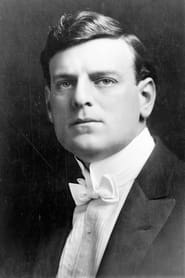
- Gilbert M. Anderson not only starred as Broncho Billy but also directed the film, a common practice for him on many of these shorts.
- The film reflects the standard one-reel western structure of the early 1910s, with a simple conflict, escalating danger, and a rescue climax.
- The title uses the period's language, including the term 'greaser,' which is now recognized as an ethnic slur and reflects the casual prejudice present in early American popular entertainment.
- Essanay was a major producer of shorts in the silent era, and the Broncho Billy films were among its best-known commercial products.
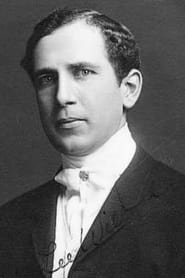
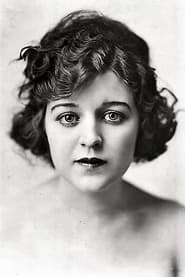
- The cast includes Marguerite Clayton and Lee Willard, both of whom appeared in numerous silent-era productions.
- Like many films of its era, it was released with intertitles rather than synchronized sound, and any musical accompaniment would have been supplied live in theaters.
- Because it was a short subject from 1914, surviving archival information is limited compared with feature films from the same period.
- The Broncho Billy character helped establish the screen cowboy as a durable American popular icon long before the feature-length western became dominant.
- The film's rescue ending aligns with the moral clarity and community-minded frontier storytelling that made early westerns popular with audiences.
What Critics Said
Contemporary trade-paper reviews for this specific title are not widely preserved in accessible sources, so its exact critical reception cannot be reconstructed in detail. In general, Broncho Billy films were well regarded by exhibitors and audiences for their reliability, action, and familiar star appeal, and they were important commercial products for Essanay. Modern critics and film historians tend to view the film primarily as part of the influential Broncho Billy corpus rather than as a standalone masterpiece, but it is valued for what it reveals about early western conventions, performance style, and genre repetition. Its dated stereotypes also draw critical attention today, making it an important object of historical study rather than simply entertainment.
What Audiences Thought
Specific audience-response records for this title are not known, but the Broncho Billy brand was a proven draw in the nickelodeon and early theater market. Audiences of the time generally responded well to short westerns that delivered fast-paced action, clear moral conflict, and a rescue climax, all of which this film provides. The familiarity of the Broncho Billy character likely helped ensure appeal among viewers who followed the series. Modern audiences encountering the film through archives or retrospectives often watch it as a historical curiosity and as evidence of how popular western myths were built in silent cinema.
Film Connections
Influenced By
- Early nickelodeon western shorts
- Stagecoach and frontier melodrama traditions
- The recurring cowboy-hero formula established in early American cinema
This Film Influenced
- Later Broncho Billy westerns and similar recurring-character cowboy shorts
- The broader silent western tradition that led to feature-length cowboy films
You Might Also Like
More Western Films
View allMore from Gilbert M. Anderson
View allFilm Restoration
The film is preserved in archival records and is not generally regarded as a lost film, though access may be limited to library, archive, or specialty circulation holdings rather than mainstream home-video release.