Fast Freight
Plot
In this Our Gang short, the children set out on an impromptu rail adventure when they catch a ride on a freight train, turning an ordinary day into a comic escapade. Their carefree train hopping soon lands them in trouble when they are forced off the tracks and wind up seeking shelter in a spooky, seemingly haunted house. Inside, the gang’s usual mix of bravado, curiosity, and panic drives the action as they investigate strange noises and suspicious happenings, only to discover that the danger is less supernatural than they first imagined. The short builds its comedy from the contrast between the children’s tough talk and their very real fear, ending with the kind of broad, physical humor and ensemble business that defined the series at the end of the silent era.
About the Production
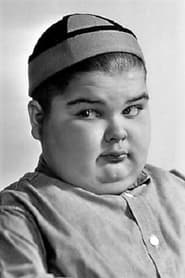
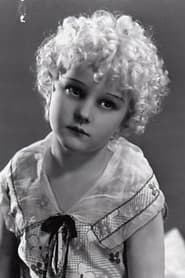
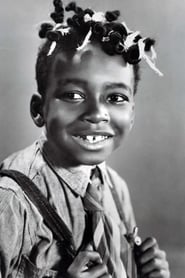
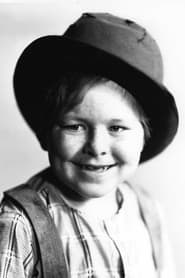
Fast Freight was produced as one of the late silent-era Our Gang comedies during the transition period when the series was being distributed by Metro-Goldwyn-Mayer after Hal Roach's move into MGM release arrangements. It was directed by Robert A. McGowan under the familiar Our Gang production framework, with a cast built around the established child ensemble then active in the series, including Joe Cobb, Jean Darling, and Allen 'Farina' Hoskins. Like many of the shorts from this period, it was made on a tight schedule with a modest studio setup, relying on carefully staged physical comedy, expressive pantomime, and location-like interior sets to create the railroad and haunted-house situations. Specific budget, box-office figures, and on-location shooting details are not generally documented for this short, and surviving production records are limited compared with major feature films.
Historical Background
Fast Freight was made in 1929, a pivotal year in American cinema and in the broader entertainment industry. The silent film era was ending rapidly, with Hollywood studios racing to adapt to sound technology after the success of The Jazz Singer and the expanding demand for talkies in theaters. Our Gang shorts were part of a major comedy series that had already built a strong audience through the 1920s, and the 1929 entries preserve the look and feel of silent slapstick just as the industry was changing around them. The film also reflects Depression-era-adjacent themes of child improvisation, resourcefulness, and the comic transformation of ordinary hardship into adventure, which helped make the series appealing across class lines. Historically, it matters as a document of late silent short-form comedy and as an example of how established film series navigated the transition from silent pantomime to sound production.
Why This Film Matters
While Fast Freight is not among the most famous Our Gang titles, it contributes to one of the most influential child-comedy franchises in cinema history. The series helped shape the idea of children as independent comic agents rather than passive figures in adult stories, and its ensemble style influenced later family and kid-centered television and film comedy. As a late silent short, it also has value for scholars tracing how filmmakers kept silent visual humor alive even as sound films were becoming dominant. The film's mixture of railroading adventure and haunted-house farce reflects a broader American pop-cultural fascination with trains, ghost stories, and juvenile daredevilry. For historians of comedy, it is another piece in the evolution of physical gag structure, child performance style, and serialized short-subject production in classic Hollywood.
Making Of
Fast Freight was mounted within the efficient Hal Roach production system, where short comedies were developed quickly and built around reliable recurring character types and situations. The cast roster reflects the series' established pattern of mixing personalities that could be played against one another for comic contrast, especially the interplay between the tougher-talking and more nervous children. Robert A. McGowan's direction on the Our Gang unit typically emphasized clean visual storytelling and readable gags, which was especially important in a silent short aimed at wide theatrical circulation. No widely cited records survive describing elaborate production difficulties, but the film would have required careful staging of the train and haunted-house business to keep the physical comedy clear and safe for the child performers. Like many shorts of the period, its craftsmanship lies less in large-scale spectacle than in the precise control of timing, reaction, and group choreography.
Visual Style
The cinematography of Fast Freight would have relied on the straightforward, highly legible visual style typical of Hal Roach silent comedies. Scenes were likely framed to keep the group action readable, with medium and medium-wide compositions that allowed the children’s movement and reactions to play clearly within the frame. Because the humor depends on train-riding antics and a haunted-house setup, the camera work would have prioritized spatial clarity over flashy movement, ensuring that entrances, chases, and scare beats could land cleanly. Lighting and set design would have been practical and economical, giving the short a sturdy, studio-built realism that could stand in for outdoors or a spooky interior as needed. The visual style is part of what makes late silent Our Gang films historically valuable: they demonstrate how economical black-and-white cinematography could support fast, expressive comedy.
Innovations
Fast Freight does not appear to contain major technical innovations, but it is notable as a polished example of late silent short-subject comic construction. Its technical achievement lies in the efficient staging of action-heavy material—train travel, chase beats, and spooky-set business—so the gags remain readable without dialogue. The film demonstrates the matured craft of Hal Roach's comedy unit, which specialized in precise timing, concise storytelling, and ensemble blocking. As a 1929 silent release, it also illustrates the industry's ability to continue producing silent comedy content even as sound technology became dominant. In that sense, its technical importance is historical and stylistic rather than revolutionary.
Music
As a silent film, Fast Freight did not have an original synchronized recorded soundtrack. It would have been exhibited with live musical accompaniment in theaters, typically supplied by a pianist, organist, or small ensemble depending on the venue. The score would therefore have varied from place to place, with exhibitors often using stock cue sheets, improvised accompaniment, or local musicians matching the comedy, suspense, and haunted-house atmosphere. No single original composed soundtrack is generally documented for the film.
Memorable Scenes
- The gang catching a ride on a freight train and turning the dangerous act into a comic adventure
- The children taking refuge in the haunted house and reacting to the eerie atmosphere with a mix of bravado and fear
- The series of suspense-and-release gags built around strange noises and the children's escalating panic
- The ensemble reactions that turn the haunted-house setting into a playground for silent-era physical comedy
Did You Know?
- Fast Freight is the 85th released Our Gang short, placing it in the late silent-era stretch of the series.
- It was directed by Robert A. McGowan, who frequently worked on the Our Gang comedies under the McGowan name associated with the series' creative team.
- The film belongs to the transitional period just before the Our Gang series fully embraced sound, making it part of the last generation of silent entries in the franchise.
- The cast includes Joe Cobb, Jean Darling, and Allen 'Farina' Hoskins, all important child performers from the classic Our Gang era.
- The film combines two recurring comic motifs from silent-era children's comedy: train-hopping adventure and a haunted-house scare scenario.
- As with many Our Gang shorts, the humor depends heavily on ensemble timing, reaction shots, and physical gags rather than intertitles alone.
- The title refers to freight trains, but the plot's payoff comes from the children's unexpected detour into a supposed haunted house, giving the story a broader comic contrast.
- It is part of the long-running Hal Roach-produced series that became one of the best-known child-ensemble comedy franchises in American film history.
- Because it is a silent short from 1929, it sits at the edge of the silent era while cinema was rapidly shifting to synchronized sound production and exhibition.
- Film reference sources often note the short as a surviving example of the late silent Our Gang style, but detailed contemporary publicity for individual shorts like this is scarce.
What Critics Said
Contemporary review detail for Fast Freight is limited, which is typical for many short subjects that were reviewed briefly if at all in the trade press and local newspapers. In the context of the Our Gang series, the short would have been received as a familiar installment offering children, families, and exhibitors dependable laughs rather than as a stand-alone prestige picture. Modern assessment tends to place it within the broader value of the series: interesting for its period style, its cast lineup, and its place at the end of the silent run, even if it is not usually singled out as one of the canonical classics. Film historians and series fans generally view these late silent shorts as important transitional artifacts that preserve the pre-sound comedy language of the franchise. Surviving reception commentary is sparse, so detailed critical consensus beyond that broader appraisal is not well documented.
What Audiences Thought
As a theatrical short in the Our Gang brand, Fast Freight was likely received as part of a dependable program attraction for audiences who expected children’s antics, physical comedy, and a lightly mischievous tone. The series had strong popular recognition, and shorts like this typically benefited from audience familiarity with recurring performers and comic patterns. There is no widely preserved evidence of specific box-office performance or audience polling for this title, but the continued production of Our Gang shorts and the franchise's longevity indicate sustained public interest. Modern audiences usually encounter the film as an archival curiosity or through series anthologies, where it is appreciated for period charm and for showing the gang in a transitional late-silent mode. For fans of silent comedy and classic child actors, it holds niche appeal rather than broad mainstream notoriety.
Film Connections
Influenced By
- The broader silent slapstick tradition of American comedy shorts
- Hal Roach studio comedy formulas
- Vaudeville-derived physical humor
- Earlier Our Gang shorts built around child misadventure and ensemble chaos
- Railroad adventure stories and haunted-house comic farces popular in silent-era entertainment
This Film Influenced
- Later Our Gang/Little Rascals shorts and related child-ensemble comedies
- Subsequent family comedies that blend mild peril with child-centered humor
- Television and film ensemble kid comedies that use a group of mischievous children as protagonists
You Might Also Like
More Comedy Films
View allMore from Robert A. McGowan
View allFilm Restoration
The film is generally regarded as surviving and available through archival and home-video circulation, though quality may vary depending on the print source. As with many silent shorts, surviving copies may be incomplete, dupey, or taken from restored archival elements rather than pristine original negatives. It is not typically described as lost.