1908 · Approximately 10-15 minutes

Also available on: Archive.org
The Girl from Arles

The Girl from Arles

1908 Approximately 10-15 minutes France
Temptation and romantic distractionRural innocence versus urban attractionMoral loyalty and emotional responsibilityYouthful impulsivenessThe contrast between simplicity and sophistication

Plot

Frederick, a young man from the countryside, leaves his home and travels to the city with the excitement of attending a bullfight. Once there, he encounters a beautiful young woman from Arles and is quickly captivated by her charm and elegance. In his infatuation, he courts the city maiden and becomes distracted from the little sweetheart he left behind at home. The story plays as a simple moral drama about temptation, forgetfulness, and the emotional pull between rural loyalty and urban allure. As with many early films by Albert Capellani, the emphasis is less on intricate plot mechanics than on clear emotional contrasts and visual storytelling.

About the Production

Release Date 1908
Production Société Cinématographique des Auteurs et Gens de Lettres (SCAGL)
Filmed In France

This is an early French dramatic short associated with the SCAGL production unit, which was known for adapting literary and folkloric subjects for the silent screen. Surviving documentation on the exact shoot is limited, which is common for films from 1908, but the production fits Albert Capellani’s period of working in concise, tableau-based dramatic filmmaking. Like many films of the era, it would have relied on carefully staged sets and outdoor imagery rather than elaborate camera movement or editing complexity. The title refers to Arles, a city in southern France, and the story’s regional setting likely helped give the film a recognizable local color and romantic atmosphere.

Historical Background

The Girl from Arles was made in 1908, a formative moment in world cinema when narrative film grammar was still being standardized and feature-length filmmaking had not yet become dominant. France was one of the central centers of film production, and companies like SCAGL were developing respectable dramatic subjects aimed at broad audiences who increasingly expected cinema to provide more than novelty attractions. The film’s rural-versus-urban romance reflects values and anxieties common in prewar Europe, including the tension between traditional life and modern leisure culture. In historical terms, it belongs to the period when cinema was shifting from short scenic entertainments toward emotionally legible stories with named characters, structured conflict, and moral resolution.

Why This Film Matters

Although not a famous surviving title in the mainstream canon, the film is significant as part of Albert Capellani’s early body of work and as an example of the French dramatic short at a moment when cinema was becoming a serious narrative art. Films like this helped establish conventions of character-centered storytelling, visual economy, and emotionally direct performance. Its storyline, involving a young man distracted from a humble sweetheart by city romance, echoes enduring melodramatic patterns that remained influential across silent cinema. For scholars of early film, it is valuable evidence of how French production companies were packaging local color, moral instruction, and sentimental drama for an international market.

Making Of

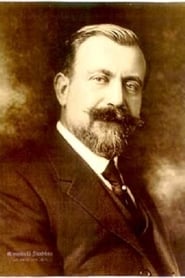
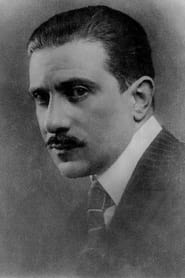
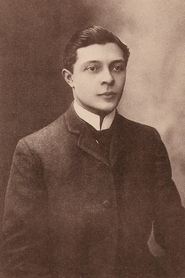
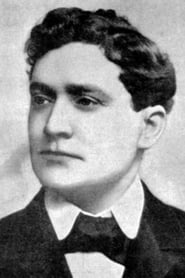
Very little behind-the-scenes documentation is widely available for this specific 1908 short, which is typical for films made before the industry kept systematic production records. What can be said with confidence is that it comes from the SCAGL milieu, where filmmakers adapted concise dramatic scenarios for distribution in the booming French and international market. Albert Capellani’s work from this period was known for disciplined staging, strong pictorial composition, and an emphasis on intelligible emotion rather than technical flourish. The casting of Paul Capellani and Henry Krauss places the film within a stable pool of performers repeatedly used by French companies of the era, suggesting a production environment built around reliable repertory acting.

Visual Style

The film would have used the visual language typical of 1908 French drama: static or minimally moving camera placement, carefully composed tableaux, and strong use of gesture and blocking to communicate emotion. Albert Capellani’s early work often demonstrates a clear eye for stage-like arrangement and readable spatial relationships, allowing the viewer to follow character motivations without rapid editing. The likely contrast between home, city, and bullfight setting would have been expressed through costume, locale, and staging rather than through elaborate camera technique. Any surviving prints or stills, where available in archives, would be of particular interest for studying pre-feature cinematic composition.

Innovations

The film’s technical significance lies primarily in its participation in the early development of narrative cinema rather than in any single revolutionary device. Its value is in the careful staging of a concise dramatic situation, the use of expressive performance to convey emotional shifts, and the economy with which the story is told in a short running time. As part of Capellani’s output, it contributes to the refinement of screen storytelling that helped prepare the way for longer and more complex films. For its time, clarity of narration itself was an important achievement.

Music

As a silent film, The Girl from Arles had no synchronized soundtrack. In original exhibition, it would almost certainly have been accompanied by live music, typically a pianist or small ensemble in theaters, with accompaniment chosen to match the mood of the scene. No surviving original cue sheet or commissioned score is widely documented for this title. Modern archive screenings, if available, may use improvised or newly prepared accompaniment.

Memorable Scenes

  • Frederick’s departure from his country home, which establishes the emotional contrast between his innocent past and the temptations ahead.
  • His encounter with the beautiful maiden in the city, the moment that redirects his attention and begins the central romantic conflict.
  • The bullfight setting, which provides a vivid backdrop of urban excitement and spectacle for his infatuation.
  • The implied emotional abandonment of his sweetheart at home, giving the film its moral and sentimental weight.

Did You Know?

  • This film is a 1908 silent short and should not be confused with later adaptations or similarly titled works.
  • It is directed by Albert Capellani, one of the key French filmmakers of the pre-World War I period.
  • The cast includes Paul Capellani, Henri Desfontaines, and Henry Krauss, all names associated with early French cinema.
  • The film’s simple premise reflects the moral and emotional storytelling style common in the SCAGL output.
  • Because it dates from 1908, detailed production records such as budget and box office are not known to survive.
  • The film belongs to an era when French cinema was rapidly refining narrative clarity through staged tableaux and expressive performance.
  • The subject matter uses the cultural contrast between the countryside and the city, a frequent theme in early melodrama.
  • The reference to a bullfight situates the narrative in a romanticized southern setting, even though the film itself was produced in France.
  • Like many films from this period, its survival status is uncertain in public-facing reference sources and may depend on archive holdings.
  • Albert Capellani would later become one of the most important directors in the transition from short-form to feature-length narrative cinema.

What Critics Said

Contemporary critical notices for this exact film are not widely documented in accessible sources, so its original press reception cannot be stated in detail with confidence. In modern film-historical terms, it is generally regarded as a minor but useful example of Capellani’s early directorial style and the SCAGL dramatic mode. Critics and historians who study early French cinema tend to value such films less for spectacle than for what they reveal about the development of narrative continuity, acting style, and production practices before the feature era. Its reputation today is therefore more archival and scholarly than popular.

What Audiences Thought

Specific audience-response records for this film have not survived in widely available form. Given the success of French dramatic shorts in 1908, it likely played to audiences accustomed to brief, emotionally clear stories that could be understood without intertitles or extensive exposition. The rural romance and mild moral conflict would have been accessible to general viewers, especially in an era when silent cinema depended heavily on universal gestures and recognizable social types. Any popular reception it had is now best understood indirectly through the broader success of SCAGL melodramas and Capellani’s films rather than through preserved audience commentary.

Film Connections

Influenced By

  • French stage melodrama
  • Early literary and folkloric adaptation traditions in SCAGL films
  • Popular rural-versus-urban moral tales of the late 19th and early 20th centuries

This Film Influenced

  • Later French melodramas centered on rural innocence and urban temptation
  • Early silent romance films that used simple moral contrasts and pictorial storytelling

Film Restoration

Its current preservation status is not clearly documented in widely accessible sources. As a 1908 silent short, it may survive only in archive holdings, partial materials, or may be considered lost in public reference catalogs unless a specific print is identified by an archive. No widely cited restoration record is commonly associated with the title.

Themes & Topics

bullfightcity romancecountry sweetheartinfatuationtemptationmelodrama