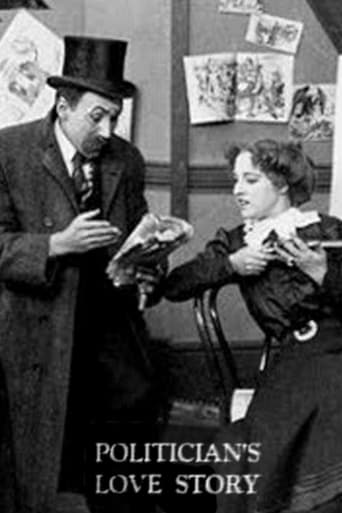
Tomboy Bessie
Plot
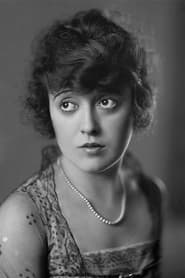
In this Mack Sennett comedy, Mabel Normand plays Bessie, a mischievous tomboy whose constant pranks and wild behavior turn everyday life into chaos. Bessie torments family members, pests her aunt and father, and generally leaves a trail of disruption wherever she goes. Mack Sennett appears as a suitor trying to court Bessie's aunt, but he has to win over the family first, and Bessie's father sets an unusual condition: he may marry the sister only if he can amuse the child and survive her relentless mischief. The courtship quickly becomes entangled with slapstick mayhem, especially when a local chicken farmer is drawn into the fray and the whole household becomes a target of escalating comic destruction. The film builds to a rowdy series of physical gags typical of early Keystone comedy, with Bessie's antics driving the action and the adults losing control.
Director
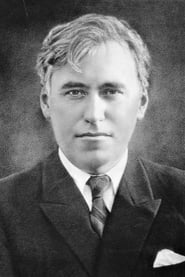
Mack SennettAbout the Production
This was an early Keystone comedy short directed by Mack Sennett and built around Mabel Normand, one of the studio's biggest stars and one of silent comedy's most important performers. Like many Keystone productions of the period, it was made quickly on a modest budget with an emphasis on energetic physical comedy, simple setups, and broad character types rather than elaborate narrative construction. The film’s surviving description suggests a brisk domestic farce centered on a comic test of courtship and a child-like instigator whose misbehavior drives the gag structure. Specific production records for budget, exact shooting days, and release marketing survive poorly for this title, which is common for 1912 shorts.
Historical Background
Tomboy Bessie was produced in 1912, when the American film industry was still in the short-subject era and the grammar of film comedy was being invented almost in real time. Keystone, under Mack Sennett, was becoming synonymous with rough-and-tumble slapstick, helping establish a comic model built on speed, physical confrontation, pranks, chases, and social disruption. The period also predates standardized feature-length Hollywood storytelling; audiences expected brief films that could be shown in vaudeville-style programs or nickelodeons. Mabel Normand was part of a new generation of screen performers whose expressive, athletic style expanded what women could do in comedy, moving beyond passive romantic roles into active, mischievous, and sometimes anarchic personas. As a result, the film matters not only as a period comedy but also as a small artifact of the early development of screen performance, studio comedy style, and female-led slapstick.
Why This Film Matters
Although Tomboy Bessie is not one of the most famous surviving silent comedies, it belongs to an historically important body of work that helped establish the vocabulary of cinematic slapstick. Films like this shaped audience expectations for fast physical humor, domestic upheaval, and comic escalation, all of which would become central to later comedy traditions. Mabel Normand’s role is culturally important because she helped define an early screen archetype: the energetic, independent, irrepressible young woman who drives the comedy rather than merely reacting to it. The film also reflects the early studio system’s reliance on recurring comic performers and studio branding, with Keystone’s reputation for anarchic laughter becoming part of popular film culture. Even as a short surviving mostly through plot summaries and archival references, it is part of the larger history of how comedy, gender performance, and cinematic rhythm were developed in the silent era.
Making Of
Tomboy Bessie was made during the formative Keystone years, when Mack Sennett was refining the studio’s fast-paced brand of slapstick comedy. Productions of this type were typically assembled rapidly, with a loose scenario and heavy reliance on performer improvisation, reaction shots, and physical business rather than polished dialogue or complex staging. Mabel Normand’s presence is especially significant: she was already emerging as one of the most expressive and agile comic actresses of the silent era, and scripts were frequently designed to showcase her spirited screen persona. The film also reflects the Keystone ensemble system, in which a recurring company of performers moved from film to film in interchangeable comic roles, allowing for efficient production and a familiar audience appeal. Detailed behind-the-scenes records are scarce, but the film clearly fits the studio’s early production method: simple domestic premise, quickly escalating chaos, and emphasis on gags that could be understood instantly by any audience.
Visual Style
The film likely uses the straightforward, fixed-camera visual style characteristic of early Keystone shorts, with action staged in clearly readable compositions so that physical comedy could play out in full view. Early silent comedies of this period usually relied on long or medium-long shots that captured entrances, exits, falls, chases, and group reactions without cutting away too frequently. The visual style would have prioritized clarity over sophistication, allowing the audience to track the build-up of gags and the interactions among the characters. If outdoor scenes were used, as was common for Keystone, they would have contributed bright natural light and open space for slapstick movement. The cinematography’s main function was to preserve the timing and legibility of the action.
Innovations
The film’s main technical achievement lies less in innovation than in the early refinement of screen slapstick language. It demonstrates the Keystone method of building comedy from escalating physical action, using clear staging, swift comic beats, and ensemble performance to produce maximum immediacy. The film also reflects the growing ability of silent cinema to communicate character relationships and narrative motivation without intertitles-heavy explanation. Mabel Normand’s expressive performance style is itself part of the technical evolution of screen acting, translating broad comic emotion into a medium still learning how to balance movement, gesture, and framing. Within the context of 1912 filmmaking, its efficiency and comic readability are notable accomplishments.
Music
As a 1912 silent film, Tomboy Bessie had no synchronized recorded soundtrack. Exhibitions would have featured live musical accompaniment, typically by a pianist, organist, or small theater ensemble, with music selected to match comic action and scene changes. The exact score used would have varied by venue and survives only, if at all, in later exhibition practices. Like most films of its era, it may also have been accompanied by sound effects created live in the theater for comic emphasis. No original cue sheet is known here.
Memorable Scenes
- Bessie repeatedly torments and outwits the adults around her, turning a simple family situation into a comic battlefield.
- The suitor’s attempt to win approval by amusing Bessie becomes a humiliating test of endurance rather than a dignified courtship.
- The introduction of the local chicken farmer escalates the household disorder into a broader slapstick free-for-all.
Did You Know?
- Mabel Normand was one of Keystone’s most popular performers and a major early female comedy star, often driving the action in films built around her comic energy.
- Mack Sennett not only directed the film but also appears in it, a common practice in the earliest Keystone shorts where the studio’s regular performers doubled as directors, writers, and actors.
- The plot description reflects a typical Keystone-style domestic chaos comedy, where social manners, courtship, and authority figures are undermined by physical gags and disorder.
- The film is from 1912, a period when many comedy shorts were released with minimal surviving documentation, making exact production details difficult to verify.
- William Butler appears as Bessie’s father, and Kate Toncray appears as the aunt, placing the film among the many ensemble shorts built from Keystone stock company players.
- The title character’s behavior anticipates later screen tomboy and impish-child comic figures, though in a much rougher, more anarchic early silent style.
- Because it is a short silent comedy from the early 1910s, music would have been provided live by exhibitors rather than as a fixed recorded soundtrack.
- The film belongs to the era when Keystone was helping define the slapstick formula that would influence screen comedy for decades.
What Critics Said
Contemporary critical reception for Tomboy Bessie is not well documented in surviving sources, which is common for many 1912 shorts. At the time, Keystone comedies were generally reviewed as lively, crowd-pleasing amusements, appreciated more for immediate laughter than for literary or artistic ambition. Modern evaluation tends to place the film within Mabel Normand’s and Mack Sennett’s broader bodies of work rather than treating it as a standalone masterpiece, largely because many such shorts survive incompletely or are represented only by records and descriptions. Film historians value it as evidence of early slapstick conventions and as part of the collaborative Keystone output that helped define silent screen comedy. If the film survives, it is chiefly of interest to historians, archive audiences, and scholars of Normand and Sennett.
What Audiences Thought
Specific audience-response data is unavailable, but as a Keystone comedy it was likely designed for quick, broad popular appeal. Films of this kind were made to generate immediate laughs in nickelodeons and small theaters, and the comic appeal would have come from recognizable domestic conflict, mischievous behavior, and physical pandemonium rather than subtle storytelling. Mabel Normand’s popularity suggests that audiences would have been drawn to the film’s star attraction as much as to the slapstick situation itself. Since early comedies were often programmed in clusters and quickly replaced, reception was usually measured in repeat business and general crowd response rather than in box-office records that are still extant today.
Film Connections
Influenced By
- Music-hall and vaudeville comic traditions
- Early French and American slapstick comedy shorts
- Stage farce and domestic farce conventions
This Film Influenced
- The Keystone slapstick formula that shaped later silent comedies
- Later tomboy and mischievous-child comedy vehicles in silent film
- The physical-comedy traditions carried forward by stars like Charlie Chaplin, Harold Lloyd, and Harry Langdon
You Might Also Like
More Comedy Films
View allMore from Mack Sennett
View allFilm Restoration
Preservation status is not fully documented in the available sources. Like many early Keystone shorts, it may survive only incompletely or be represented in archival records and reference listings rather than in widely circulated restored form. No widely known modern restoration or commercial release is documented here. If extant, it would likely be held by a film archive or preserved as part of silent-film collections, but a definitive public restoration status could not be verified.