1914 · Approximately 60 minutes

Also available on: Archive.org
Blue Blood

Blue Blood

1914 Approximately 60 minutes Italy
Class and aristocratic identityFemale reputation and social disgraceManipulation and blackmailMotherhood and separation from a childPublic scandal versus private suffering

Plot

Princess of Monte Cabello is divorced and, after a legal separation, is granted custody of her beloved daughter, the one part of her life that still seems secure. That fragile peace collapses when her ex-husband's mistress, eager to destroy the Princess's reputation, hires private detectives who stage and capture apparently compromising photographs of the Princess with the actor Jacques Wilson. The scandalous images lead to the loss of her child, and the Princess is left emotionally shattered and increasingly vulnerable to Wilson's influence. Jacques, himself desperate because of gambling debts, forces her into further humiliation by making her appear in a stage play, but the Princess finally sends a note to the Prince of Monte Cabello saying that after the first performance she will never again compromise his name.

About the Production

Release Date 1914
Production Itala Film
Filmed In Italy, Turin

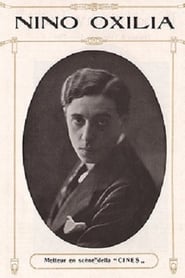
Blue Blood is an Italian silent melodrama directed by Nino Oxilia and built around one of the great star vehicles of the prewar diva era, Francesca Bertini. As with many Italian features of the period, exact financial records are not readily documented in surviving sources, and no reliable budget or box-office figures are generally cited in modern references. The film belongs to the tradition of lavish, emotionally heightened aristocratic dramas that Italian studios such as Itala Film were exporting successfully in the years before World War I. Surviving documentation emphasizes the plot and principal cast far more than technical production details, which is typical for a 1914 silent film.

Historical Background

Blue Blood was produced in 1914, on the eve of the First World War, during a formative era for Italian cinema. Italy had become one of the leading centers of international silent filmmaking, especially known for historical epics and refined melodramas that exported prestige and spectacle across Europe and the United States. This was also the period when the diva film emerged as a major genre: stories built around powerful, tragic women whose passions, suffering, and social entanglements became the emotional core of the film. The film’s plot of aristocratic marriage, divorce, scandal photography, and public humiliation reflects contemporary anxieties about reputation, modern media, and female respectability in an increasingly visible mass culture.

Why This Film Matters

Blue Blood is culturally significant as part of the Italian diva-film tradition that helped define early screen melodrama and elevated actresses such as Francesca Bertini into international stars. Its story embodies the moral and social drama that made Italian silent cinema influential in shaping how film could portray female subjectivity, suffering, and social disgrace with operatic intensity. The film also illustrates how early cinema was already engaging with themes of surveillance, scandal, and the destructive power of images—issues that remain strikingly modern. Even when not widely seen today, works like Blue Blood are important evidence of the aesthetic and industrial maturity of Italian silent cinema before the disruptions of war and changing taste.

Making Of

Blue Blood was made during the peak of Italy's pre-World War I silent-film boom, when studios like Itala Film were producing prestige melodramas for both domestic and international audiences. The film appears to have been conceived as a star-centered vehicle for Francesca Bertini, whose screen image relied on heightened emotional conflict, aristocratic settings, and public disgrace transformed into theatrical spectacle. Nino Oxilia, active in both cinema and other artistic circles, worked in a period when Italian productions often emphasized elegant mise-en-scène and operatic emotional excess over rapid cutting or realistic understatement. Detailed production records are scarce, so many behind-the-scenes specifics such as exact shooting schedules, set construction, or censorship issues are no longer documented in surviving mainstream sources.

Visual Style

As a 1914 Italian melodrama, Blue Blood would have relied on the visually expressive conventions of the period: carefully arranged tableaux, theatrical blocking, and emphasis on costume, posture, and gesture to communicate emotion in the absence of synchronized sound. Italian silent films of this era frequently favored elegant composition and decorative interiors, especially for stories involving aristocratic households and high social status. The film likely uses visual contrast between private emotional anguish and public display, a hallmark of diva melodrama, although specific shot-by-shot details are not broadly documented in modern sources. Surviving descriptions suggest that the film's power lay in the presentation of social spectacle and emotional breakdown rather than in overt camera experimentation.

Innovations

Blue Blood does not have documented technical innovations on the level of later cinematic milestones, but it belongs to a period when Italian studios refined the visual grammar of feature-length melodrama. Its significance lies in the polish of performance, staging, and production design associated with the diva film rather than in a specific patented technique or special effect. The film reflects the early development of feature storytelling in Europe, where longer narratives allowed for more complex emotional and social plotting. It is also part of the transition toward cinema as a prestige art form capable of sustaining star-driven, multi-scene dramatic narratives.

Music

As a silent film, Blue Blood had no synchronized recorded soundtrack. It would originally have been accompanied in theaters by live music, typically a pianist, organist, or small ensemble depending on venue and exhibition practices. No definitive original cue sheet or commissioned score is widely known from surviving reference materials. Modern presentations of the film, when available, would generally rely on newly assembled accompaniment created by archivists or exhibitors.

Memorable Scenes

  • The Princess is photographed in what appears to be compromising company with Jacques Wilson, triggering the scandal that destroys her standing and costs her custody of her daughter.
  • The emotional blow of losing her child functions as the film's central turning point, pushing the Princess into deeper vulnerability.
  • Wilson forces the Princess onto the stage to help satisfy his gambling debts, turning her public performance into a scene of humiliation.
  • The final note to the Prince of Monte Cabello, declaring that after the first performance she will never again compromise his name, serves as the film's moral and emotional climax.

Did You Know?

  • Blue Blood is sometimes cited under its Italian title, Sangue blu, rather than the English-translated title.
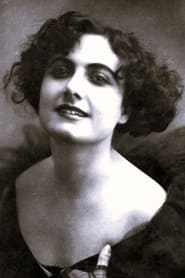
  • The film stars Francesca Bertini, one of the most important Italian diva actresses of the silent era, whose screen persona strongly shaped melodramatic acting styles of the time.
  • Director Nino Oxilia is better known today not only for films but also for his connection to the broader Italian artistic and literary culture of the early 20th century.
  • The plot reflects a common prewar melodramatic pattern: aristocratic scandal, moral humiliation, compromised honor, and the emotional vulnerability of women in social and legal systems dominated by men.
  • Like many films of 1914, the movie survives primarily through documentation, stills, and catalog records rather than through a widely available complete print.
  • The story’s emphasis on staged photographic evidence and public reputation shows how early cinema was already fascinated by modern media, surveillance, and scandal culture.
  • The film is associated with the Italian diva-film tradition, which often centered on female suffering, class privilege, and moral extremity.
  • Francesca Bertini’s role likely contributed to the kind of intense, stylized performance associated with her later more famous films.

What Critics Said

Specific contemporary reviews are not widely preserved or easily cited in modern reference sources, so a precise critical consensus from 1914 cannot be stated with confidence. In general, Francesca Bertini's vehicles were admired for their emotional force, lavish presentation, and polished melodramatic construction, and Blue Blood would have fit that reputation. Modern critical interest in the film is mostly historical rather than evaluative: scholars and archivists value it for what it reveals about prewar Italian stardom, the diva-film form, and melodramatic storytelling conventions. Because the film is not widely available in circulation, its current reputation is shaped more by film history than by contemporary review culture.

What Audiences Thought

Direct audience records are limited, but the film was produced for a market that enthusiastically consumed Italian melodramas, especially those featuring major stars such as Francesca Bertini. Films of this type were generally popular with audiences drawn to emotional excess, aristocratic settings, and morally charged storylines. The combination of scandal, motherhood, humiliation, and redemption would have been designed to produce strong sympathetic engagement, particularly for viewers familiar with Bertini's persona. Today, audience reception is largely restricted to scholars, archive audiences, and silent-film enthusiasts who encounter the film through surviving references or rare archival screenings.

Film Connections

Influenced By

  • Italian stage melodrama
  • Opera and grand melodramatic literature
  • Early 20th-century diva films
  • Society scandal narratives popular in fin-de-siècle fiction

This Film Influenced

  • Later Italian diva melodramas
  • Aristocratic scandal dramas of the silent era
  • Melodramas centered on reputation, motherhood, and public humiliation

Film Restoration

Preservation status is uncertain in general references; the film is not widely available and may survive only in incomplete archival form or documentation. It should be treated as a rare silent film with limited access rather than a commonly circulating restored title.

Themes & Topics