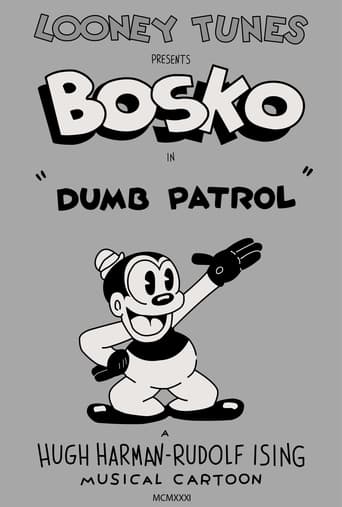
Bosko at the Zoo
Plot
Bosko and Honey visit the zoo for a lighthearted day of animal-watching, but the outing quickly turns chaotic once the pair encounter the zoo's more dangerous residents. Honey becomes alarmed when a lion appears threatening, and her nervousness sets off a comic chain of events typical of early Looney Tunes animation. Bosko tries to impress and protect Honey, but his efforts only land him in escalating trouble as the animals and the setting turn against him. By the end, the comedy depends on Bosko's slapstick misfortunes, with the zoo itself becoming a playground of animated danger and exaggerated reaction.
Director
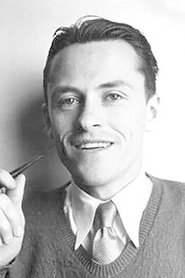
Hugh HarmanAbout the Production
Bosko at the Zoo was produced during the early Warner Bros. Looney Tunes era, when Hugh Harman and Rudolph Ising were still developing Bosko as the studio's first major animated star. Like many cartoons of the period, it was made as a short subject for theatrical release rather than as a feature, and precise budget and box-office records are not generally available. The short reflects the transitional nature of early sound animation, relying on music-synchronized gags, character reactions, and rhythmic action rather than the fully developed personality comedy of later Warner cartoons. The film is also notable as part of the brief period when Bosko was paired with Honey, a character who helped shape some of the studio's earliest attempts at a recurring cartoon couple.
Historical Background
Bosko at the Zoo was made in 1932, in the midst of the Great Depression, when moviegoing remained one of the most affordable forms of entertainment and animated shorts were a staple of the theatrical program. Technically and artistically, the film belongs to the early sound-cartoon era, only a few years after synchronized sound transformed animation from a novelty into a major commercial attraction. Warner Bros. was still building its animation identity, and the Bosko series helped establish the studio's presence before the rise of more famous characters like Bugs Bunny, Daffy Duck, and Porky Pig. The short also reflects the period's reliance on vaudeville-inspired comedy, musical pacing, and anthropomorphic animal humor, all of which were central to early 1930s animation culture.
Why This Film Matters
Although not one of the most famous Warner Bros. cartoons, Bosko at the Zoo is culturally significant as part of the foundation of the Looney Tunes franchise. It represents an early stage in the evolution of American animated character comedy, showing how studios moved from simple synchronized novelty toward more personality-driven storytelling. The film also preserves the Bosko character, who was important in animation history even though he would later be eclipsed by Warner's more enduring stars. For historians, the short is valuable as evidence of how early Hollywood animation balanced musical performance, slapstick, and recurring characters in the pre-Code era.
Making Of
Bosko at the Zoo was created at a moment when Hugh Harman and Rudolph Ising were defining what Warner Bros. animation could be. The Bosko character had been introduced only a short time earlier, and the studio was still experimenting with how to balance music, character comedy, and visual gags in a consistent format. Because the film is a short cartoon, production would have been centered on storyboarding, timing, and synchronization to the soundtrack rather than extensive live-action style production. The use of Honey as Bosko's companion also shows the creators' interest in broadening the appeal of the series with a recurring female character, though the early Bosko cartoons would eventually give way to other studio stars.
Visual Style
As an animated short, Bosko at the Zoo does not have cinematography in the live-action sense, but it demonstrates the visual grammar of early 1930s drawn animation. The short likely uses simple staging, clear character silhouettes, and energetic movement to keep the action readable, with gags built around rapid reaction shots and exaggerated physical comedy. Backgrounds and zoo settings would have been stylized rather than detailed, serving mainly as functional spaces for slapstick encounters. The animation style reflects the rubber-hose era, with elastic limbs, bouncy motion, and expressive faces used to support musical and comedic timing.
Innovations
Bosko at the Zoo does not feature a major technical innovation on the scale of later animation breakthroughs, but it is an example of early synchronized sound cartoon craftsmanship. Its notable achievement lies in the integration of action, music, and sound effects at a time when the animated short was still a relatively new form. The film demonstrates the developing skill of Warner's animation team in timing visual gags to audio cues and in constructing a short narrative around escalating comic trouble. As part of the Bosko series, it also contributed to the studio's early mastery of recurring animated characterization.
Music
The soundtrack would have been an essential part of the film's appeal, as early Looney Tunes cartoons were built around synchronized musical accompaniment and rhythmic gag timing. Like many shorts from this period, the music likely functions both as score and as a structural engine for the comedy, punctuating action and character movement. Although no widely cited standalone song has become attached to the short, the film belongs to the era in which Warner animation was deeply intertwined with music publishing and theatrical musical presentation.
Famous Quotes
No widely documented dialogue quotations from this short are readily available.
As with many early animated shorts, much of the humor is visual rather than quote-driven.
Memorable Scenes
- Bosko and Honey's arrival at the zoo, establishing the playful romantic setup before the chaos begins.
- Honey's frightened reaction to the lion, which triggers the cartoon's central danger-and-comedy dynamic.
- Bosko's attempts to handle the situation, only for the animals and circumstances to escalate his trouble.
- The sequence in which the zoo environment becomes an uncontrolled source of slapstick hazards for Bosko.
- The comic payoff in which Bosko ends up as the one most endangered, reversing the expected roles.
Did You Know?
- This short is one of the early Warner Bros. Looney Tunes cartoons featuring Bosko, the studio's first recurring animated star.
- Honey appears alongside Bosko, reflecting the early attempt to create a recurring romantic duo in the series.
- The cartoon was directed by Hugh Harman, one of the two principal creators of Bosko.
- Bosko at the Zoo is a product of the pre-Merrie Melodies era when Looney Tunes were still heavily tied to music and broad slapstick gags.
- The film was released in 1932, during the earliest years of synchronized-sound theatrical cartoons.
- Early Bosko cartoons often mixed musical numbers, animal antics, and vaudeville-style humor, and this short follows that pattern.
- The short is historically important because it belongs to the period before Warner Bros. fully developed the more anarchic character-driven style that later defined the studio.
- Bosko's design and mannerisms in this era were influenced by the rubber-hose animation style common in early 1930s cartoons.
- Like many early cartoons of the time, it was made for theatrical exhibition in front of live-action films rather than for television.
- Surviving prints of early Bosko cartoons are historically valuable because many early animated shorts were lost or circulated in inferior copies.
What Critics Said
Contemporary critical reception specific to Bosko at the Zoo is not widely documented in surviving trade press summaries, which is common for short cartoons of this era. In general, early Bosko cartoons were seen as competent, lively theatrical fillers that showcased synchronized sound and jaunty humor, even if they were not yet as distinctive as the later golden-age Warner shorts. Modern critics and animation historians typically view the short as an important early artifact rather than a masterpiece, appreciating it for its place in the development of the Looney Tunes brand and for its illustration of early 1930s cartoon aesthetics. Its value today is primarily historical, especially for viewers interested in the origins of Warner Bros. animation.
What Audiences Thought
Specific audience-response records are scarce, but as a theatrical cartoon short, it would have played as part of a larger cinema program and served mainly as a comedic diversion before the feature presentation. The Bosko series was popular enough to continue for several years, suggesting that audiences responded well to the character and to the lively, music-driven slapstick style. Modern viewers usually approach the film as a curiosity from the studio's early period, with its appeal centered on vintage animation charm, old-fashioned timing, and historical significance rather than contemporary comedy.
Film Connections
Influenced By
- Vaudeville comedy
- Rubber-hose animation style of the early 1930s
- Musical shorts and synchronized sound cartoons
- Earlier Warner Bros. Bosko cartoons
This Film Influenced
- Later Looney Tunes and Merrie Melodies shorts
- Subsequent Warner Bros. character cartoons built on the Bosko template
- Early studio animal-comedy shorts
You Might Also Like
More Comedy Films
View allMore from Hugh Harman
View allFilm Restoration
The film is not known to be lost and is generally regarded as surviving in archival circulation, though like many early animated shorts, it may appear in varying print quality depending on source materials. It is part of the historical Bosko/Looney Tunes corpus that has been preserved by film archives and collectors, making it accessible to researchers and classic-animation enthusiasts.