Hey There
Plot
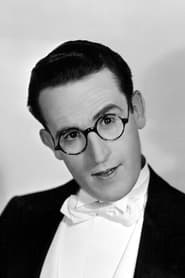
Harold Lloyd plays a young man who becomes infatuated after meeting an attractive young woman at a snack bar and later learns that she has dropped a letter. Determined to return it, he follows the trail to a motion-picture studio, where he sneaks inside and tries to locate her among the bustling production activity. Once inside, he cannot resist flirting with actresses, wandering onto sets, and creating increasing chaos as he dodges studio workers and irritates the management. The search becomes a fast-moving series of gags and disruptions, with Lloyd’s character turning a simple errand into a comic raid on the movie factory itself.
About the Production
The film is an early Harold Lloyd short made during the period when his comic persona was still evolving from the 'Lonesome Luke' style toward the more confident, bespectacled screen image that would later define him. Like many Rolin-produced shorts, it was designed as a compact gag-driven comedy built around a clear premise, brisk pacing, and a large amount of physical business in a studio setting. The motion-picture studio backdrop allowed the filmmakers to stage backstage comedy using sets, props, extras, and performers from the silent-era production environment, giving the film a self-reflexive quality unusual for some contemporaneous shorts. Precise production records such as budget, box office, and exact shooting schedule are not generally documented for this title in surviving sources.
Historical Background
Hey There was produced in 1918, during the final year of World War I and at a moment when the American film industry was rapidly consolidating its dominance in commercial cinema. Silent short comedies were one of the most popular forms of screen entertainment, offering audiences brief, energetic relief in urban nickelodeons and larger theaters alike. Hollywood was also becoming increasingly self-aware as a cultural institution, and backstage or studio-set comedies played on the audience’s fascination with movie production itself. The film sits within the world of late-1910s slapstick, when physical comedy, romantic pursuit, and elaborate chase structures were central to mainstream screen humor, while Harold Lloyd was emerging as a major star who would soon define a more modern, youthful brand of comedy.
Why This Film Matters
Although not among Harold Lloyd’s most famous releases, Hey There is culturally significant as an example of early star-era slapstick and as a document of the studio comedy tradition that helped shape Hollywood’s self-image. Its plot, built around a man intruding into a movie studio, anticipates later film comedies that would make the process of filmmaking itself part of the joke. The short also contributes to the historical record of Bebe Daniels and Harry 'Snub' Pollard, both important figures in early screen comedy and silent-era popular entertainment. For modern viewers and scholars, the film’s value lies less in canonical status than in its illustration of how quickly silent comedy developed recurring motifs: romantic motivation, mistaken access, backstage chaos, and the disruption of orderly production space.
Making Of
Hey There was made during a highly productive phase in Harold Lloyd’s early career, when he was appearing in a steady stream of short comedies for producer Hal Roach’s Rolin unit. Alfred J. Goulding, who directed many of these shorts, specialized in brisk visual comedy and efficient gag construction, and the film’s premise is tailored to his strengths: a simple romantic pursuit that escalates into studio mayhem. The movie’s backstage setting likely made production easier in some respects because it could exploit available studio spaces, but it also required careful staging so the comic action could read clearly in silent form without dialogue. Lloyd’s later fame rests on more elaborate features, but shorts like this one were crucial training grounds in which he refined timing, character motivation, and the use of environment as a source of escalating humor.
Visual Style
The cinematography is characteristic of late silent-era studio comedy: clear, functional framing, medium and full shots that keep the physical action legible, and staging that emphasizes entrances, exits, and comic collision. The film’s studio setting likely allowed for controlled lighting and clean composition, making it easier to present gags within sets that mimic backstage spaces and production areas. Like many shorts of the period, the camera is generally observational rather than mobile, letting the performers generate the humor through movement and reaction. The visual style supports quick escalation, with the environment itself becoming a comic machine as Lloyd’s character wanders through it.
Innovations
The film’s main technical achievement lies in its efficient use of a studio setting for layered comic action, allowing multiple performers, props, and spaces to interact in a controlled visual rhythm. While it does not feature major special effects or landmark camera technology, it demonstrates the polished construction of silent comedy at a time when timing, blocking, and set design were central to audience comprehension. Its backstage premise also creates a self-referential form of humor that was technically simple but conceptually clever, turning the film studio into both setting and subject. The production’s effectiveness depends on precise physical staging, which was a hallmark of successful silent slapstick.
Music
As a silent film, Hey There would originally have been accompanied by live music in theaters rather than a synchronized recorded score. No single original score is universally documented for the film, and modern presentations may use library accompaniment, custom silent-film piano, or ensemble scores depending on the archive or distributor. The music in exhibition would have been chosen to match the pacing of the gags, romantic beats, and chase-like disruptions. Because the film survives as a silent-era title, its musical identity is variable and presentation-dependent.
Memorable Scenes
- Harold Lloyd sneaks into the movie studio to search for the young woman he met at the snack bar, setting off the film’s chain of comic complications.
- Lloyd’s character flirts with actresses and repeatedly blunders into situations that anger studio personnel and disrupt filming.
- The escalating backstage chaos, with the hero dashing through sets and interfering with production, serves as the film’s central comic set piece.
Did You Know?
- The film is one of Harold Lloyd’s early 1918 short comedies and reflects his transition from earlier character types toward the screen personality that would make him famous.
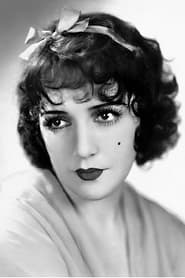
- Bebe Daniels appears in the film, and her presence helps explain the motivation of Lloyd’s character, who is clearly more interested in the young woman than in merely returning her letter.
- The studio setting turns the film into a comedy about filmmaking itself, a form of meta-humor that was already popular in silent shorts and would remain a reliable comic device for decades.
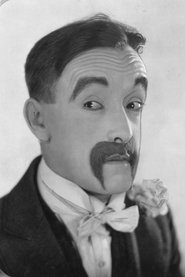
- Harry 'Snub' Pollard appears as part of the supporting comic ensemble associated with Lloyd’s early shorts.
- The film was distributed through Pathé, one of the important distributors of the silent era, which helped circulate many short comedies to theaters across the United States.
- Like many surviving Lloyd shorts, it is especially valued today by historians because it documents an early stage of his comedic development before his feature-length triumphs.
- The title 'Hey There' is short and direct, typical of many one-reel and two-reel comedy titles from the era.
- Because the film is over a century old, surviving prints and restorations are of particular importance for modern access and study.
What Critics Said
Contemporary critical notices for many short silent comedies were often brief, and detailed surviving reviews for Hey There are limited. In its own era, the film would have been evaluated largely as a crowd-pleasing comedy vehicle for Harold Lloyd, whose rising popularity made even modest shorts commercially useful. Modern criticism tends to approach it historically, as part of Lloyd’s apprenticeship and as evidence of the craftsmanship of early 1910s and 1920s screen comedy. While not generally singled out as one of his masterpieces, it is appreciated by silent-film historians for its energy, studio satire, and the clear display of Lloyd’s developing comic confidence.
What Audiences Thought
Audience response in 1918 was likely favorable among patrons who enjoyed fast-moving slapstick and the growing fame of Harold Lloyd. Shorts like this were designed to be immediately accessible, and the combination of romance, pursuit, and backstage disruption would have offered straightforward amusement to general moviegoers. Today, the film mainly appeals to silent-comedy enthusiasts, Lloyd admirers, and archival audiences interested in early Hollywood production culture rather than mass contemporary viewers. Its reception now is shaped by historical appreciation, with viewers often valuing its charm, pace, and period authenticity.
Film Connections
Influenced By
- Early slapstick comedy traditions
- One- and two-reel studio comedies of the 1910s
- Backstage farce and theater satire
- The comic routines developed at Rolin and Hal Roach studios
This Film Influenced
- Later Hollywood backstage comedies
- Harold Lloyd’s own feature comedies that expanded his energetic, situational style
- Silent and early sound films using film-studio settings as comic spaces
You Might Also Like
More Comedy Films
View allMore from Alfred J. Goulding
View allFilm Restoration
The film is preserved and available in surviving archival form, though as with many silent shorts, surviving materials and presentation quality may vary by source and restoration. It is not generally considered a lost film.