1912 · 10 minutes 34 seconds

Also available on: Archive.org
His Official Appointment

His Official Appointment

1912 10 minutes 34 seconds United States
Political favoritism and patronageHumiliation and emotional betrayalLoyalty and caregivingClass vulnerability and social aspirationCruelty disguised as wit

Plot

His Official Appointment is a short 1912 drama about an elderly man who has sacrificed nearly everything in the hope of securing a government post through influence and personal appeals. While he waits anxiously for word from Washington, his devoted Black servant Amber does what he can to comfort and protect him from disappointment. The old man eventually receives what appears to be an official appointment, only to discover that the entire matter has been arranged as a cruel joke by people at the Capitol who never intended to honor him. The film builds its emotion around humiliation, loyalty, and the pain of misplaced trust, ending as a quiet moral tale about the exploitation of vulnerable ambition.

About the Production

Release Date 1912
Production Vitagraph Company of America
Filmed In United States

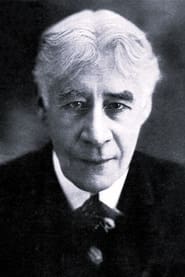
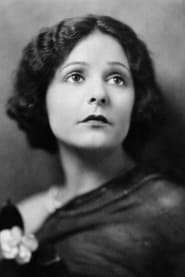
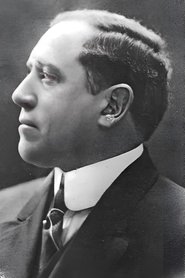
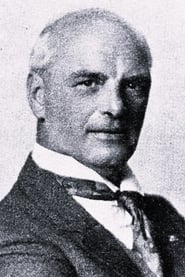
This is an early silent short produced during the height of the American one-reel era, when dramas were commonly told in roughly ten to fifteen minutes. The film is associated with Vitagraph, one of the major New York-based studios of the period, and was directed by Charles Kent, who worked both as a filmmaker and an actor in early cinema. Surviving documentation is limited, but the cast listing indicates the film featured recognized Vitagraph performers, including Norma Talmadge and Tefft Johnson, alongside Hal Wilson as Amber. Like many films of 1912, it was likely staged primarily with interior sets and simple exterior work rather than elaborate location production, emphasizing performance and narrative clarity over spectacle.

Historical Background

His Official Appointment was made in 1912, a year when American cinema was rapidly transforming from short, program-filling attractions into a more coherent narrative art form. The industry was still centered around one-reel films, and studios such as Vitagraph were competing intensely for audiences in nickelodeons and emerging picture houses. Socially, the film reflects an era of heightened public interest in patronage, politics, and the anxieties of ordinary people seeking official recognition or advancement. It also belongs to a period when silent films frequently adapted stage melodrama and moral cautionary tales, using straightforward visual storytelling to deliver emotional and ethical lessons. In that sense, the film is historically interesting not because of spectacle but because it preserves the values, anxieties, and representational conventions of early 20th-century American popular entertainment.

Why This Film Matters

The film's significance lies mainly in its value as an example of early Vitagraph drama and as part of the screen careers of performers like Norma Talmadge. It illustrates how early cinema handled themes of class vulnerability, political favoritism, and personal dignity in a compact form suitable for mass exhibition. The inclusion of Amber as a loyal Black servant is also culturally important, though it reflects the limitations and stereotypes of the period rather than progressive representation. For historians, the film is a useful artifact of 1912 filmmaking practice and early studio storytelling, helping document the transition from brief melodramas to the more elaborately developed narratives that would soon define the feature era.

Making Of

Little detailed behind-the-scenes documentation survives for His Official Appointment, which is common for many 1912 shorts. What is known is that it was produced in the Vitagraph environment, where directors often worked quickly and efficiently, relying on standardized production methods, strong stage-style acting, and concise storytelling. Charles Kent, the director, was part of the generation of filmmakers who transitioned from theatrical performance into the silent medium and who helped establish readable screen dramatization for short subjects. The cast reflects Vitagraph's practice of using repertory players, and the presence of Norma Talmadge suggests the film was made during the period when she was becoming one of the studio's most prominent names. The role of Amber also points to the racial conventions of early American cinema, where Black characters were frequently written in subordinate or service roles, though the surviving summary indicates Amber functions as the story's sympathetic emotional anchor.

Visual Style

Specific cinematographic credits and shot-by-shot documentation are not readily available, but as a 1912 Vitagraph short the film likely used static or minimally moving camera setups, with composition arranged to keep actors clearly visible and readable within the frame. Early silent dramas from this period often relied on tableau-like staging, carefully placed intertitles, and expressive performance to carry the narrative. The visual style was probably straightforward, with emphasis on theatrical blocking, intercutting limited to essential story beats, and restrained editing. Because the film was short, the cinematography would have served the drama efficiently rather than aiming for elaborate visual experimentation.

Innovations

There are no known technical innovations specifically associated with this film. Its importance is instead tied to the early standardization of narrative cinema in the one-reel format and to the professional polish associated with Vitagraph productions of the period. The film likely demonstrates efficient storytelling methods, clear scene construction, and performance-driven communication designed for silent exhibition. As such, it is representative of early 1910s studio craftsmanship rather than a groundbreaking technical milestone.

Music

As a silent film, His Official Appointment had no synchronized recorded soundtrack. Exhibitions in 1912 would typically have been accompanied by live piano, organ, or small ensemble music chosen by the theater or exhibitor, often adapted to the tone of the scene. No original score is known to survive or be associated specifically with the film. Any modern screenings would generally use a reconstructed or newly commissioned silent-film accompaniment if one is available.

Memorable Scenes

  • The elderly man's anxious waiting for news from the Capitol, with Amber staying close and tending to him in a quiet display of devotion.
  • The moment the fake appointment arrives, transforming hope into humiliation as the old man realizes he has been mocked rather than rewarded.
  • The contrast between the old man's desperate investment in influence and the callousness of the people who treat his ambitions as a joke.

Did You Know?

  • The film is a one-reel silent drama running just over ten minutes, typical of pre-feature-era American cinema.
  • Charles Kent is credited as director, and he was also active as an actor in early film production, reflecting the fluid professional roles common in the industry at the time.
  • Norma Talmadge appears in the cast, making the film part of the early screen work of one of the most famous actresses of the silent era.
  • Hal Wilson is specifically identified as Amber, the loyal servant, indicating that the film includes a Black supporting character central to the emotional dynamic of the story.
  • The plot centers on the social humiliation of an elderly man who is fooled by a false appointment, a melodramatic premise that was common in early shorts.
  • Vitagraph was one of the most important American studios in 1912, and the film belongs to the studio system before feature-length dominance.
  • The film survives in modern records primarily through catalog and archival references rather than through widespread popular circulation.
  • The title suggests a topical or satirical angle on government patronage and political favor-seeking, a subject familiar to early 20th-century audiences.

What Critics Said

Contemporary critical commentary on this specific film is not well preserved in accessible modern sources, so detailed reviews are difficult to confirm. Like many one-reel dramas of the period, it was likely evaluated in trade and local press mainly on the strength of its plot, performances, and emotional clarity rather than on authorial style. Modern film historians would likely view it as a minor but informative Vitagraph short, of interest for cast study and for what it reveals about narrative conventions of the time. Its reception today is therefore primarily archival and scholarly rather than popular or widely critical.

What Audiences Thought

No reliable detailed audience-response records are known for this specific title. In 1912, a short drama like this would have been shown as part of a mixed bill, and audience reaction would have depended heavily on the film's emotional immediacy and the appeal of its performers. The story's focus on sympathy, humiliation, and loyalty suggests it was designed to engage viewers through pathos rather than novelty. Any broader popularity would have been tied to Vitagraph's brand and to the draw of familiar silent-era players rather than to the film as a standalone sensation.

Film Connections

Influenced By

  • Stage melodrama and moral-fable storytelling
  • Early American short-form dramatic films
  • Vitagraph company narrative conventions

This Film Influenced

  • null

Film Restoration

The film appears to survive primarily through archival references and catalog records, but detailed public-access preservation information is limited. It is not widely circulated and is not known as a commonly screened restoration title, so its exact material survival status is uncertain from the sources commonly available online. For database purposes, it should be treated as a rare early silent short with incomplete accessibility rather than a mainstream preserved title.

Themes & Topics

old mangovernment appointmentfalse letterhumiliationloyal servantCapitol jokemelodrama