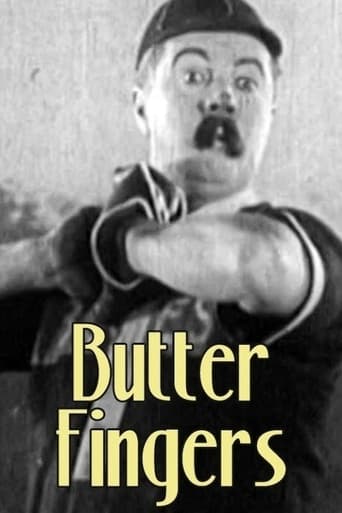
Lizzies of the Field
Plot
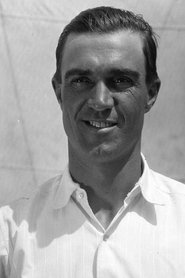
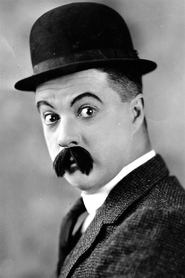
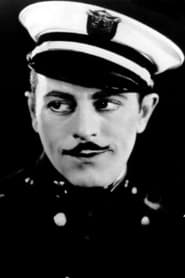
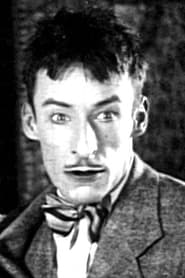
Two rival automobile repair shops, the Red Dog Garage and the Black Cat Garage, face off across the street in a comic battle of pride, sabotage, and speed. When a major cross-country auto race is announced, the rivalry escalates from neighborhood annoyance into a full-scale contest, with each side determined to outwit and outdrive the other. Billy Bevan and Sidney Smith headline the action as the garages recruit drivers, prepare cars, and resort to increasingly outrageous tricks in hopes of winning both the race and bragging rights. The competition turns into a no-holds-barred scramble filled with physical comedy, mechanical mishaps, and escalating chaos as the two garages try to sabotage one another while staying in the race themselves. As a Del Lord silent comedy, the film builds toward fast-paced slapstick set pieces in which the race itself becomes an arena for absurd competition and vehicular mayhem.
About the Production
Lizzies of the Field was produced during Hal Roach's busy silent-comedy period, when short films were built around fast, gag-driven scenarios and star comedians with strong visual personas. Director Del Lord, who became especially associated with elaborate slapstick and later Columbia two-reel comedies, stages the film around automotive rivalry and a race premise that allowed for escalating stunt work and broad physical comedy. Like many silent shorts from the era, it was made economically and efficiently, with emphasis on tightly structured comic business rather than elaborate sets or dialogue-dependent performance. The film's surviving records are limited, so precise budgetary and box-office figures are not generally documented in modern reference sources.
Historical Background
The film was made in 1924, at a moment when the American film industry was at the height of the silent era and comedy shorts were a central part of theater programming. Automobiles had become essential to everyday life in the United States, and motion pictures quickly turned cars into reliable symbols of modernity, freedom, danger, and mechanical absurdity. Hal Roach Studios was one of the key suppliers of short-form comedy during this period, and films like this one helped define the rhythm and structure of the two-reel silent comedy. Culturally, the film sits within the post-World War I fascination with speed, competition, and machine-age spectacle, all of which were ideal ingredients for slapstick cinema. It also reflects the era before synchronized sound transformed screen comedy, when storytelling depended on bold visual action, expressive performance, and increasingly elaborate physical gags.
Why This Film Matters
While not among the best-known silent comedies, Lizzies of the Field is representative of the industrial and artistic ecosystem that made American slapstick so influential. It demonstrates how everyday modern technology, especially the automobile, became a staple of comic cinema and helped shape the vocabulary of screen chase comedy for decades. The film is also notable as part of Del Lord's early directing work, offering an example of the kind of brisk, destructive, action-heavy comedy that later became his specialty. For historians, it is valuable as a surviving or documented example of Hal Roach's short-comedy production model and of the way 1920s studio comedy translated contemporary life into broadly accessible visual humor.
Making Of
Lizzies of the Field was made in the classic Hal Roach production environment, where directors and performers worked with a stock company of comic actors and a dependable system for generating short films quickly. Del Lord specialized in physical escalation, and the premise of rival garages racing for supremacy would have provided a strong framework for improvised-looking but carefully timed slapstick. The film almost certainly relied on practical vehicle effects, stunt driving, and timed comic business rather than special photographic trickery, which was standard for the period. Because it is a silent short from 1924, detailed surviving production records, such as story conference notes or extensive on-set anecdotes, are limited in modern archives, but the film clearly reflects the hallmark Roach approach: concise plotting, strong visual conflict, and a climax built around disorder on wheels.
Visual Style
The film's visual style is characteristic of silent-era comedy shorts: straightforward staging, clear spatial geography, and an emphasis on timing the action so viewers can track rival movements and escalating chaos. As with many Hal Roach comedies, the camera is likely used pragmatically to preserve the clarity of slapstick business rather than to call attention to itself through flashy technique. The automotive action would have required careful blocking so that car chases, mechanical gags, and crowd reactions all remained readable in a compact running time. The cinematography serves the comedy by keeping the race premise visually coherent and by allowing the destruction and near-misses to register cleanly.
Innovations
The film's most notable technical dimension is its use of practical automotive action as a central comic mechanism. Silent-era race comedies required precise stunt coordination, readable geography, and timing between performance and vehicle movement, and this film appears to have relied on those fundamentals rather than on obvious trick effects. Its achievement lies less in groundbreaking technology than in the efficient orchestration of physical comedy around moving cars, which was still a relatively fresh and exciting screen subject in 1924. The film also demonstrates the studio system's ability to produce short-form action comedy quickly while maintaining clear, energetic visual storytelling.
Music
As a silent film, Lizzies of the Field originally had no synchronized recorded soundtrack. Like most silent comedies, it would have been accompanied in theaters by live music, usually selected or improvised by a pianist, organist, or small ensemble to match the pace of the action. No original score is widely documented in surviving reference material, and modern presentations would typically use archival accompaniment or newly commissioned music depending on the source print and distributor. The film's comic energy would have been shaped in exhibition by the accompanist's tempo changes during chases, sabotage sequences, and climactic race business.
Memorable Scenes
- The escalating feud between the Red Dog Garage and the Black Cat Garage, which turns a simple street-side rivalry into a comic war of attrition.
- The announcement of the cross-country auto race, which shifts the story from neighborhood bickering into a larger competition with high stakes for both sides.
- The race preparations and vehicle tinkering, where the garages try to gain an edge through sabotage, improvisation, and exaggerated comic problem-solving.
- The climactic race itself, in which the film's slapstick energy is concentrated into a series of mechanical mishaps and furious attempts to win by any means necessary.
Did You Know?
- The film is a silent short comedy built around the then-modern novelty of automobiles, a frequent source of comic material in the 1920s.
- Del Lord later became one of the most important directors of slapstick short comedies, especially at Columbia Pictures, and this film fits the style he refined across his career.
- Billy Bevan was one of Hal Roach's prominent silent comedy players and became known for energetic, exasperated performances in fast-moving gag films.
- Sidney Smith was a veteran comic actor whose screen persona often contrasted with more frantic performers, making him useful in rivalry-based comedy pairings.
- The title is a pun on the popular term 'Lizzie,' a nickname commonly associated with the Ford Model T and by extension inexpensive cars of the period.
- The film reflects the era's fascination with auto racing and garage culture, when cars were still new enough to represent speed, danger, and comic chaos on screen.
- As with many silent shorts, surviving documentation is sparse, and the film is less famous today than some of Roach's better-known series comedies.
- The movie belongs to the long tradition of slapstick stories in which competition between neighboring businesses becomes a pretext for destruction, sabotage, and escalating gags.
- Its premise anticipates later racing comedies and chase films that use vehicles not just as transport but as the main source of visual action.
- The film is a good example of the compact, gag-reliant structure typical of two-reel comedies from the mid-1920s.
What Critics Said
Contemporary critical reception is not well documented in the surviving sources commonly used today, which is typical for many silent shorts that played as supporting attractions rather than prestige releases. At the time, such films were generally judged by audiences and exhibitors on the strength of their gags, pacing, and star appeal rather than by elaborate reviews. Modern appreciation tends to focus on its value as a period piece and as an example of Del Lord's developing slapstick style, especially for viewers interested in the evolution of automotive comedy and the Hal Roach stable of performers. Because the film is not as widely circulated as major silent features, it remains more of an archival curiosity and a historical comedy artifact than a frequently critiqued classic.
What Audiences Thought
There is no robust surviving record of detailed audience response, but films of this type were designed for immediate, broad appeal through action, rivalry, and destructive physical humor. The garage-versus-garage setup would have been easy for audiences of the 1920s to understand, especially in a culture increasingly centered on the automobile. The film likely played effectively as a compact comic attraction because its premise is simple, its stakes are visual, and its race-climax structure naturally builds excitement. Today, audiences encountering it usually do so through archival interest, where its charms lie in the period-specific humor and the energetic silent-era approach to motorized mayhem.
Film Connections
Influenced By
- early silent slapstick comedies centered on workplace rivalry
- automobile chase films and race comedies popular in the 1910s and 1920s
- Hal Roach's established short-comedy formula
This Film Influenced
- later automotive slapstick comedies
- race-and-chase comedy shorts
- Del Lord's later Columbia slapstick films
You Might Also Like
More Comedy Films
View allMore from Del Lord
View allFilm Restoration
The film is documented as a silent-era short from 1924, but detailed preservation status is not consistently reported in general reference sources. It is not widely known as a fully lost title, and it has appeared in archival film databases, suggesting that at least some record or print material survives. However, complete restoration status is unclear from readily available public documentation, so its preservation condition should be treated as partially uncertain rather than definitively restored or definitively lost.