The Iron Nag
Plot
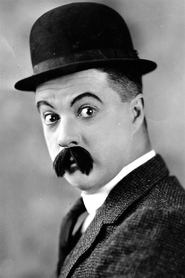
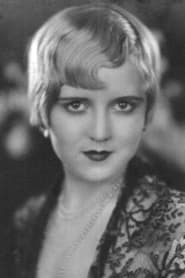
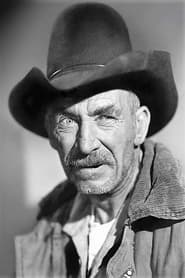
A rowdy comedy chase set in motion by a jailbreak, The Iron Nag follows a prison-break escapade that quickly spirals into a race, turning an attempt at freedom into a farcical competition. Billy Bevan’s energetic comic persona drives the action as the escapees and pursuers careen through a series of escalating misunderstandings, physical gags, and speed-driven reversals. Ruth Taylor and Andy Clyde figure into the comic complications as the story shifts from simple flight to a larger scramble involving rival interests and slapstick reversals. Like many short comedies of the silent era, the plot is built less on dialogue than on momentum, visual escalation, and the timing of repeated pursuits, with the race premise providing a structure for gags to pile up until the situation reaches its comic peak.
About the Production
The Iron Nag was produced during the peak of Hal Roach’s silent-comedy period, when short subjects were tightly constructed around character-driven slapstick and rapid-fire gag development. Del Lord, a director closely associated with physical comedy and chase mechanics, brought a brisk, stunt-oriented sensibility to the film. As a 1925 silent short comedy, it would have relied heavily on visual staging, location-like backlot sets, and carefully choreographed action rather than elaborate production design. Surviving reference information on the film is limited, and detailed production records such as budget and box office are not readily documented in standard sources.
Historical Background
The Iron Nag was produced in 1925, during the mature silent era just before synchronized sound began transforming American cinema. Comedy shorts were a vital part of the film marketplace at the time, serving as dependable companions to feature presentations and helping studios develop recognizable comic brands. Hal Roach Studios in particular was important in shaping the tone of 1920s screen comedy through an emphasis on personality-driven humor, elaborate chase construction, and clean visual storytelling. The film also reflects a period when the American leisure economy favored fast, accessible entertainment, and when silent comedians refined physical gag structure to a high level of craftsmanship. Its existence is part of the larger transition in which short-form slapstick was gradually making room for feature-length comedy, even as studios still depended on shorts for audience appeal.
Why This Film Matters
Although not among the most famous silent comedies, The Iron Nag is culturally significant as a representative example of Hal Roach’s mid-1920s comedy output and of Del Lord’s development as a master of cinematic escalation. Films like this helped standardize the grammar of screen slapstick: chase logic, repeated reversals, visual punctuation, and comic frustration expressed almost entirely through action. It also illustrates how studio shorts contributed to the careers of performers like Billy Bevan and Andy Clyde, who became recognizable comic presences even when the films themselves did not achieve feature-length fame. For historians, the film matters as a surviving or documented artifact of a prolific studio system that shaped popular humor on screen and influenced later comedy filmmaking, especially the pacing and mechanics of short-form gags.
Making Of
The Iron Nag was made within the efficient Hal Roach short-subject system, where directors worked quickly and comedy was built from repeatable story frameworks, stock situations, and strong physical performers. Del Lord’s background in broad visual humor made him a natural fit for a film built around a jailbreak and race, since both concepts lend themselves to movement, pursuit, and mechanical escalation. Billy Bevan’s casting ensured a central comic presence capable of carrying the film’s manic momentum, while the inclusion of Ruth Taylor and Andy Clyde suggests the usual Roach balance of romantic, authority, and straight-man figures used to sharpen the slapstick. Detailed behind-the-scenes records are limited, but the film clearly belongs to the polished studio-comedy tradition in which timing, blocking, and stunt safety were major practical concerns.
Visual Style
The cinematography of The Iron Nag would have been shaped by the practical needs of silent comedy: clear framing, strong sightlines for gags, and camera placement that allowed physical action to read instantly. Hal Roach comedies of the period typically avoided overly ornate visual style in favor of clean, functional compositions that prioritized timing and performer movement. The likely emphasis was on medium shots and full-body action, which are ideal for chase comedy and slapstick interaction. Any visual flair would have been in the staging of movement, the rhythm of cuts, and the careful arrangement of comic business within the frame rather than in elaborate camera experimentation.
Innovations
The film’s main technical achievement lies in the disciplined construction of silent slapstick itself: staging action so that every movement is legible without dialogue. Chase comedies such as this depended on coordinated blocking, stunt execution, and editing that preserved clarity across rapidly changing situations. While not known for any singular technological innovation, The Iron Nag represents the highly refined craft of 1920s comedy production, where directors like Del Lord used straightforward film grammar to maximize comic impact. Its value is in the efficiency and precision of its storytelling mechanics rather than in special effects or camera breakthroughs.
Music
As a silent film, The Iron Nag had no synchronized recorded soundtrack at the time of its release. In theaters, it would typically have been accompanied by live music, often a pianist, organist, or small ensemble depending on the venue, with the performance shaped to the film’s comic pacing. Modern presentations may use compiled silent-film scores or newly created accompaniment, but no original standardized score is widely documented for the film. Music in exhibition would have played a major role in sustaining momentum during the chase and enhancing punchlines through timing and mood cues.
Memorable Scenes
- The jailbreak sequence that sets the comic chain reaction in motion, with the escape immediately turning into a race-centered scramble.
- The escalating pursuit and reversals that transform a simple getaway into a full-scale slapstick chase.
- The moments of physical comic confusion typical of Hal Roach shorts, where each attempted solution creates a new problem.
Did You Know?
- The film was directed by Del Lord, who became one of the most important specialists in screen slapstick and later worked extensively in sound-era shorts and features.
- Billy Bevan was one of Hal Roach’s most reliable silent-era comic stars, known for his flustered, high-energy performance style and expressive physical business.
- The title suggests a horse-related story, but the plot premise turns on a jailbreak and race, a typical silent-comedy bait-and-switch that misleads audiences just enough to heighten the joke.
- Andy Clyde, who appears in the cast, later became a familiar comic character actor in shorts and features, especially for his deadpan rural and authority-figure roles.
- As with many Roach shorts of the period, the comedy likely depended on escalating chase sequences, practical stunts, and precise timing rather than intertitles-heavy exposition.
- The film belongs to the era when Hal Roach was building a major reputation for short-form comedy that complemented the larger silent-comedy output of studios such as Mack Sennett and Christie.
- Silent shorts like this were often paired with newsreels, cartoons, and other brief subjects, making them part of a broader theatrical program rather than stand-alone features.
- Because The Iron Nag is a relatively obscure silent short, surviving documentation is sparse compared with the better-known feature comedies of the 1920s.
- The film reflects Del Lord’s fondness for kinetic action, a trait that would later help shape some of the most famous Three Stooges shorts.
What Critics Said
Contemporary reviews for The Iron Nag are not widely preserved in easily accessible modern reference sources, so a precise reception history is difficult to reconstruct. As a Hal Roach comedy short, it would have been judged primarily on its ability to deliver laughs, pacing, and clear visual action rather than on narrative complexity or thematic ambition. Modern critical interest is likewise limited because the film is obscure, but scholars and classic-film enthusiasts tend to view such shorts as valuable examples of silent-comedy craftsmanship and studio-era comic rhythm. Its critical standing today is therefore more archival and historical than canonical: it is appreciated as part of the broader body of work that defined silent-era slapstick.
What Audiences Thought
Specific audience-response data for The Iron Nag is not readily available, which is typical for short subjects from the silent era. In 1925, audiences generally responded well to fast-paced physical comedy, and a jailbreak-and-race premise would have fit neatly with the era’s appetite for energetic, easily readable visual humor. Like many Roach shorts, its appeal likely depended on immediate amusement rather than long-term prestige, making audience reception favorable in-the-moment even if later memory of the title faded. Today, its audience is mostly composed of silent-comedy enthusiasts, researchers, and collectors seeking to explore lesser-known studio shorts.
Film Connections
Influenced By
- Early Mack Sennett chase comedies
- Christie comedy shorts
- Vaudeville physical humor
- Silent-era escape and pursuit farces
This Film Influenced
- Later Hal Roach chase comedies
- Three Stooges shorts directed by Del Lord
- Studio-era slapstick films that rely on escalating pursuit
You Might Also Like
More Comedy Films
View allMore from Del Lord
View allFilm Restoration
The film is obscure but documented in filmographic sources; specific preservation status is not clearly established in widely available references. It may survive in archival holdings or private/secondary elements, but no universally cited restoration is widely noted in standard sources. Because many Hal Roach silent shorts have partial or uncertain survival histories, the safest assessment is that its preservation status is not fully confirmed in public-facing reference materials.