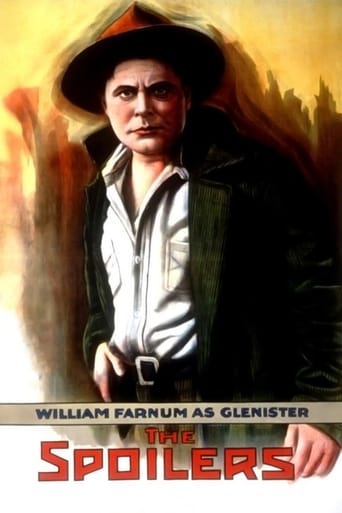
The Soilers
Plot
Set during the Alaska gold rush, The Soilers follows a prospector who strikes it rich after finding a motherlode, only to have his claim threatened when a corrupt sheriff and his allies try to seize the discovery for themselves. The film builds as a broad silent-comedy chase and brawl, with the hero struggling to protect his claim, his romance, and his dignity against escalating interference. Stan Laurel plays one of the key comic troublemakers in the conflict, helping turn the gold-rush premise into a series of escalating slapstick reversals, mistaken identities, and physical gags. The plot culminates in a large-scale fight over the stolen claim, typical of the rowdy, anarchic comic style associated with early 1920s shorts. While the story is simple, the film is structured to showcase increasingly outrageous visual comedy rather than intricate plotting.
About the Production
The Soilers was produced during Stan Laurel's pre-feature period at Hal Roach Studios, when he was still appearing in a wide variety of short comedies and often under the direction of Ralph Ceder or other studio regulars. Like many silent two-reel comedies of the era, it was designed to be fast, gag-driven, and easy to circulate on the short-subject market rather than as a prestige production. The film drew on the Alaska-gold-rush craze and the popular screen tradition of frontier comedy, using a setting that allowed for fights, costumes, and chaotic physical action. Surviving documentation on exact production expenses, shooting schedule, and negative materials is limited, which is typical for many shorts from the period. The film is also notable for featuring Ena Gregory and Mae Laurel in the cast, placing it within the constellation of early Roach productions that mixed recurring studio performers with guest players.
Historical Background
The Soilers was released in 1923, during the mature silent-film era just before sound transformed American cinema. Comedy shorts were a major part of the exhibition ecosystem, playing alongside features and newsreels in theaters across the United States. The film emerges from a period when Hal Roach Studios was becoming one of the most important comic production centers in Hollywood, helping define the style that would later produce Our Gang and Laurel and Hardy. Its Alaska gold-rush premise also reflects the continued popularity of frontier myths in American popular culture, repurposed here for slapstick rather than drama. Historically, the film belongs to a transitional moment when star comedians were being cultivated more systematically, and Stan Laurel was one of the performers moving toward lasting international recognition.
Why This Film Matters
While The Soilers is not among the best-known silent comedies today, it is culturally significant as part of Stan Laurel's early screen career and as an example of the short-subject comedy form that shaped American popular humor. It demonstrates how silent films used broad physical action, frontier settings, and comic villainy to create immediately legible stories for diverse audiences. For film historians, the movie helps map the development of Laurel's screen persona before his definitive pairing with Hardy, offering insight into his range and timing during the 1920s. It also stands as a reminder of how much early studio comedy depended on efficient craft, repeated gag structures, and ensemble playing rather than feature-length narrative complexity. As a surviving artifact of Hal Roach's comic factory, it contributes to the broader understanding of how American screen comedy evolved in the silent era.
Making Of
The Soilers was made at a time when Hal Roach Studios specialized in efficient, high-output comedy production, and the film reflects that assembly-line yet highly creative approach. Ralph Ceder was one of the directors who helped shape the studio's comic tone, keeping the action brisk and the gags centered on escalating physical conflict. Stan Laurel was still refining the persona that would later become iconic; in shorts like this, he could play a disruptive comic force without the more fully defined 'Stan' character audiences later recognized. Production history is sparse, but the film fits neatly into Roach's practice of blending topical settings, stock comic situations, and energetic ensemble performance to maximize audience appeal. The gold-rush backdrop likely allowed for inexpensive but visually rich set dressing, outdoor action, and a climactic fight sequence that could be staged for broad visual impact.
Visual Style
The cinematography is typical of early 1920s silent comedy shorts: static or lightly mobile framing, clear staging, and an emphasis on readable action over elaborate camera movement. Visual comedy depends on the careful placement of performers within the frame so that gestures, chases, and fight choreography remain legible even without synchronized sound. The Alaska-gold-rush setting would have offered opportunities for contrast between exterior ruggedness and the controlled artifice of studio-built locations. Like many Hal Roach productions, the film likely favors clean composition and timing, allowing the audience to focus on the performers' expressions and physical business. Any visual punch comes less from camera experimentation than from the choreography of escalating chaos.
Innovations
The film's main achievement is in the craftsmanship of silent slapstick staging rather than in technical innovation. It uses the conventions of the short comedy form effectively: clear visual geography, escalating physical action, and tightly arranged payoff gags. The climactic brawl likely required careful coordination of performers and extras, a hallmark of well-made silent comedy shorts. Its value to historians lies in its preservation of early 1920s studio comedy methods and in its place within Stan Laurel's evolving career. There is no evidence of major technological innovation, but the film exemplifies efficient silent-era production technique.
Music
As a silent film, The Soilers originally had no synchronized recorded soundtrack. Exhibition would have depended on live musical accompaniment, typically provided by a pianist, organist, or small theater orchestra, with music chosen to match the rhythm of the comedy and any chase or fight scenes. No original cue sheet is widely documented in the available record, so modern presentations may use stock silent-film accompaniments or newly commissioned scores. In contemporary archive or home-video contexts, music varies by restoration or release source.
Famous Quotes
As a silent film, no reliably documented spoken quotes are associated with the original release.
Intertitles vary by surviving print, and no standard line from the film is widely established in reference sources.
Memorable Scenes
- The escalating confrontation over the gold claim, which turns the premise into a full-scale slapstick battle.
- The corrupt sheriff's interference with the miner's fortune, setting up the film's comic conflict.
- The large chaotic fight sequence that serves as the film's climax and likely delivered the biggest audience laughs.
Did You Know?
- The film is a silent comedy short rather than a feature, part of the prolific early 1920s Hal Roach output.
- Stan Laurel appears years before his legendary partnership with Oliver Hardy, showing the solo comic style he developed in the silent era.
- The title is a punning take on the word 'soil,' suggesting both diggings for gold and a comic mess.
- The Alaska gold-rush setting was a popular comic backdrop in silent cinema because it justified physical chaos, snow-and-mud gags, and frontier lawlessness.
- Ralph Ceder directed the film, one of several filmmakers who worked frequently with Hal Roach's stable of comic performers.
- Ena Gregory was a notable silent-era leading lady and appeared in a number of mid-1920s comedies and features.
- Mae Laurel is listed in the cast, reflecting the often familial and loosely organized casting practices common in studio shorts of the period.
- Like many silent shorts, it relied on visual storytelling and intertitles rather than elaborate dialogue, making action and facial expression central to the comedy.
- The film is often cited by historians primarily as part of Stan Laurel's pre-Laurel-and-Hardy filmography rather than as a standalone classic feature.
- Because many silent comedies survive only in fragmentary or later-generation prints, exact details about original exhibition and music accompaniment are often difficult to reconstruct.
What Critics Said
Contemporary critical documentation for The Soilers is limited compared with feature films of the period, and many surviving reviews of short comedies were brief or relegated to trade notices. At the time, it would have been judged largely on the strength of its gags, pacing, and comic performance rather than on narrative depth. Modern reception among film historians tends to focus on it as a worthwhile but secondary entry in Stan Laurel's filmography, interesting especially for fans tracing his development before Laurel and Hardy. Because it is a short silent comedy rather than a preserved mainstream classic, critical discussion today is often tied to archival interest and star studies rather than broad critical consensus. Where screened or preserved, it is generally appreciated for its energetic slapstick and period charm.
What Audiences Thought
Original audience reception is not well documented, but silent comedy shorts like this were typically designed for immediate crowd response, especially in theaters that favored lively slapstick and recognizable stars. The gold-rush setting, corrupt authority figures, and escalating brawls would have been easy for audiences to follow and likely produced the kind of broad laughter these films were built to generate. Modern audiences encountering it through retrospectives or archives tend to view it as an entertaining relic of early slapstick, especially when approached as part of Laurel's pre-feature work. Its appeal today lies less in sophisticated plotting and more in its historical value, physical comedy, and the chance to see early 1920s screen humor in action.
Film Connections
Influenced By
- Silent slapstick comedy tradition
- Frontier and gold-rush melodramas
- Vaudeville physical humor
- Early Keystone-style chase comedy
- Popular Western comedy shorts of the 1910s and 1920s
This Film Influenced
- Later Laurel and Hardy shorts
- Hal Roach studio comedies
- Subsequent silent-era frontier comedies
You Might Also Like
More Comedy Films
View allMore from Ralph Ceder
View allFilm Restoration
The film is not known to be lost; it is believed to survive in archival or circulating print form, though surviving materials may be incomplete or derived from later-generation copies. Like many silent shorts, quality and completeness can vary by source, and preservation details are less thoroughly documented than for major feature films. It is generally treated as extant and accessible to researchers through film archives and specialty collections.