1931 · 7 minutes

Also available on: Wikimedia
One More Time

One More Time

1931 7 minutes United States
Law and order versus chaosAuthority under pressureSlapstick escalationSound-synchronized comedyUrban disorder

Plot

In this early Merrie Melodies cartoon, Foxy the Cop attempts to keep order in a rowdy town while reckless drivers, chaotic street behavior, and assorted troublemakers make the job nearly impossible. As he tries to enforce the law, the film turns the mundane business of policing into fast-paced visual comedy, with gags escalating as Foxy struggles to keep traffic, pedestrians, and general mayhem under control. The situation becomes even more complicated when strangers abduct Roxy, shifting the cartoon into a rescue-and-chase framework that lets the animation build toward increasingly frantic slapstick. Like many early 1930s Warner Bros. cartoons, the short combines musical performance, rhythmic movement, and comic violence in a loose narrative structure that culminates in energetic, anarchic payoff rather than a neatly tied ending.

About the Production

Release Date 1931-03-28
Production Warner Bros. Pictures, Leon Schlesinger Productions
Filmed In Termite Terrace, Hollywood, California

This is an early Warner Bros. sound cartoon from the period when the studio was still defining the personality of its animated output. It was directed by Rudolf Ising, one of the key early architects of the Warner cartoon style, and is associated with the Foxy series, a short-lived character cycle that predates the more famous Looney Tunes and Merrie Melodies lineup. The short reflects the transitional state of animation in 1931: synchronized sound, character-driven comedy, and musical punctuation are central, but the film still leans heavily on vaudeville-style gag construction and broad caricature. Like many cartoons of the era, precise budget and box-office figures were not routinely published, and surviving production documentation is limited.

Historical Background

The film was made in 1931, at the height of the early sound-film revolution and deep in the Great Depression. American studios were rapidly adapting animation to synchronized sound, and cartoons were becoming an important part of theatrical programs because they were economical, repeatable, and audience-friendly. Warner Bros. in particular was building its identity through musical cartoons that could exploit the company’s music publishing ties and its appetite for fast, edgy comedy. One More Time belongs to this experimental moment when the grammar of sound cartoons was still being invented, and it shows how animation was absorbing influences from vaudeville, popular music, and slapstick cinema.

Why This Film Matters

Although not one of the most famous Warner cartoons, One More Time is culturally significant as an artifact of the studio’s earliest sound-animation period. It illustrates the transitional phase between silent cartoon traditions and the more sophisticated personality-driven shorts that would dominate later in the 1930s and 1940s. For animation historians, the film is useful for understanding how early Warner cartoons developed comic timing, musical synchronization, and the rough-edged humor that would later distinguish the studio. It also preserves one of the studio’s early attempts at establishing a recurring animated hero before the Warner brand solidified around other characters and series.

Making Of

One More Time was produced during a formative period for Warner Bros. animation, when the studio was experimenting with how to turn music, sound effects, and recurring character comedy into a reliable short-subject formula. Rudolf Ising, who had already helped shape early sound cartoons, worked within the limitations and opportunities of the time: simplified character animation, heavily staged gags, and musical cues that often carried as much comic weight as the dialogue or action. The Foxy character was part of the studio’s effort to create recognizable animated personalities, though this particular series would remain short-lived compared with later Warner properties. Because the film was made so early in the sound era, the production approach emphasizes timing, rhythm, and clear visual action over the more polished, elastic animation that would come later in the decade.

Visual Style

As an animated short, the film’s visual style is defined by bold outlines, simple character designs, and staging that prioritizes clarity of motion over background detail. The animation reflects the early 1930s studio look: economical movement, expressive posing, and a strong reliance on rhythmic action to support jokes and musical beats. Because the cartoon was made before the later refinement of Warner’s animation pipeline, it likely uses straightforward shot construction and strong visual contrast rather than complex perspective or sophisticated camera movement. The emphasis is on readable gags and character motion rather than cinematic realism.

Innovations

The film is notable for being part of the early sound-cartoon experiment at Warner Bros., when synchronization between image and music was still a relatively new technical challenge. Its achievements are less about radical innovation in animation mechanics and more about the successful integration of comic action with sound, timing, and musical punctuation. The short demonstrates the studio’s growing ability to coordinate gags with audio cues in a way that made the cartoon feel lively and modern to 1931 audiences. As an early example of a recurring-character sound short, it also helped establish workflows and stylistic habits that Warner would refine throughout the decade.

Music

Music is integral to the film’s structure, as was typical for early Merrie Melodies cartoons. The soundtrack supports the action with synchronized cues, comic accents, and likely snippets or stylized arrangements designed to reinforce the repetitive, escalating gag pattern. In this era, Warner cartoons frequently used popular song references, original musical underscores, or performances timed directly to the animation, making the score a core part of the storytelling rather than background accompaniment. The title itself suggests a musical or rhythmic conceit, and the cartoon’s pacing is shaped by its sound design.

Memorable Scenes

  • Foxy’s repeated attempts to control dangerous traffic while the town descends into comic chaos
  • The escalating rescue-and-chase action after Roxy is kidnapped, which shifts the short into frantic pursuit comedy

Did You Know?

  • This cartoon is part of the early Foxy the Cop/Foxy series produced by Warner Bros. before the studio’s later mascot characters became established.
  • Rudolf Ising was one of the principal early animation directors at Warner Bros. and later became one of the original founders of MGM animation.
  • The film belongs to the early Merrie Melodies era, when musical integration was often as important as narrative structure.
  • Carman Maxwell is associated with Foxy’s voice performance, helping define the character’s comic personality.
  • The short reflects the influence of both theatrical vaudeville and silent-era slapstick on early sound cartoons.
  • The title One More Time fits the repetitive, escalatory structure of early cartoon gags, where one situation keeps reappearing in more exaggerated form.
  • Like many early Warner shorts, the cartoon is a valuable document of the studio’s animation style before the later emergence of faster-paced, character-specific Looney Tunes comedy.
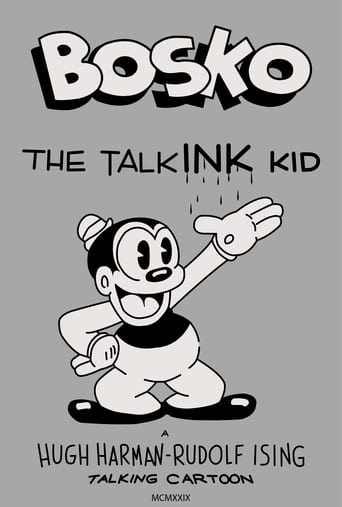
  • The film is sometimes discussed by animation historians as part of the development path that eventually led to more famous Warner characters such as Bosko, Buddy, and the later Golden Age stars.
  • The cartoon survives as a reference point for the visual and musical experimentation of early 1930s studio animation.

What Critics Said

Contemporary critical documentation for shorts of this type is limited, and specific reviews of One More Time are not widely preserved in mainstream film criticism records. In retrospect, the cartoon is usually valued more by animation scholars than by general film critics, who tend to discuss it as an example of the early, experimental phase of Warner Bros. animation. Modern appraisal is generally historical rather than celebratory: it is seen as interesting for its place in the development of sound cartoons and for the early characterization of Foxy, but not usually ranked among the studio’s best-known or most polished shorts. Its importance lies in context, as part of the foundation upon which later Warner cartoon style was built.

What Audiences Thought

Audience reception details from 1931 are scarce, as short cartoons rarely received the same level of box-office reporting or audience commentary as feature films. At the time, it would have played as a supporting attraction for theater audiences, functioning primarily as a lively amuse-bouche before the main feature. Modern audiences who encounter it generally do so through archival collections or animation retrospectives, where it is appreciated as a curiosity and historical document rather than as a widely circulated mainstream favorite. Its appeal today is strongest for viewers interested in early animation history, Warner Bros. genealogy, and the evolution of comic timing in cartoons.

Film Connections

Influenced By

  • Vaudeville comedy
  • Silent-era slapstick films
  • Early synchronized-sound musical shorts
  • Urban chase comedies of the late 1920s and early 1930s

This Film Influenced

  • Later Warner Bros. Merrie Melodies and Looney Tunes shorts
  • The evolution of early recurring animation characters at Warner Bros.
  • Subsequent studio cartoons that mixed musical performance with anarchic slapstick

Film Restoration

The film is preserved and known through archival circulation and historical reference materials; it is not considered a lost film.

Themes & Topics