Scorching Sands
Plot
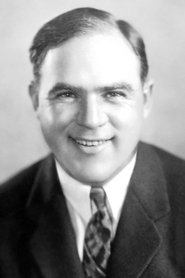
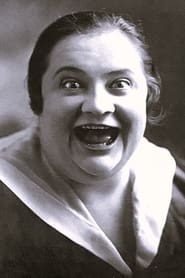
Scorching Sands is a two-reel silent comedy built around the broad misadventures of two would-be explorers stranded in the Egyptian desert. The story follows a pair of comic adventurers whose confidence far exceeds their competence as they blunder through a series of perilous and absurd situations among dunes, ruins, and hostile desert conditions. Their expedition quickly turns into a scramble for survival as rivalries, confusion, and slapstick misunderstandings complicate their attempt to reach their goal. Katherine Grant appears as the woman whose presence adds romantic complication and helps set off further chaos between the two men. As with many Hal Roach shorts of the period, the narrative is driven less by intricate plotting than by escalating visual gags, physical mishaps, and the performers' comic timing.
About the Production
Scorching Sands was produced as a short silent comedy during the peak of Hal Roach's early-1920s output, when the studio specialized in fast-moving two-reelers built around strong physical comedy and clear character types. Like many silent comedies set in exotic locales, it almost certainly used studio sets and exterior desert-like locations rather than overseas production, relying on scenic design, costumes, and comedic performance to evoke Egypt. The film is associated with Stan Laurel's pre-feature era at Hal Roach, before his later worldwide fame with Oliver Hardy, and it reflects the transitional stage in which Laurel was honing his screen persona. Production details such as exact budget, release publicity, and box-office grosses have not been reliably preserved in accessible sources.
Historical Background
Scorching Sands was produced in 1923, in the final years of the silent-film era but before synchronized sound transformed Hollywood production. The early 1920s were a time when short comedies were a major part of theatrical programming, and studios like Hal Roach's built reliable brands around quickly produced two-reel films. The popularity of desert, foreign, and archaeological settings in popular culture also reflected the period's fascination with travel, imperial imagery, and newspaper-fed stories about Egypt and the Near East. Within that environment, a comedy set in the Egyptian desert could capitalize on audience familiarity with exotic adventure while undermining it through slapstick. The film also belongs to the formative period of Stan Laurel's career, making it historically interesting as part of the prehistory of one of cinema's most celebrated comedy icons.
Why This Film Matters
Although Scorching Sands is not among the best-known silent comedies today, it is culturally significant as part of the Hal Roach studio system that helped professionalize screen comedy and cultivate major performers. It documents an early stage in Stan Laurel's development and shows how silent shorts used recurring comic types, exotic settings, and visual gags to reach broad audiences without sound. The film also reflects the era's fascination with adventure imagery and the way comedy often borrowed the visual language of sensational travel or exploration narratives. For film historians, it is valuable as a representative example of the short-subject comedy form that dominated many theater programs and trained audiences in the rhythms of cinematic slapstick. Its significance lies less in a single famous scene than in its place within the industrial and creative ecosystem that produced many of the silent era's enduring comedy traditions.
Making Of
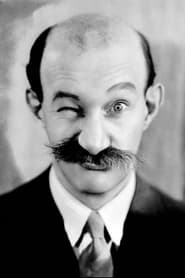
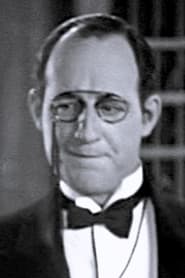
Scorching Sands was made during a period when Hal Roach Studios was producing a steady stream of short comedies designed for efficient shooting and rapid theatrical distribution. The film likely depended on practical production tricks common to the era: painted backdrops, sand-covered sets, costume exaggeration, and outdoor locations that could convincingly suggest a desert setting on a studio lot. Hal Roach frequently worked with a stable repertory of performers, and this title illustrates the studio's practice of pairing experienced comic players such as Stan Laurel and James Finlayson with a supporting cast member like Katherine Grant to create dependable comic chemistry. As with many silent shorts of the period, the humor would have been timed closely to action and gesture, with title cards carrying only the minimum necessary exposition. Detailed surviving production records are scarce, so much of the behind-the-scenes history is reconstructed from the standard working methods of Roach's early-1920s shorts and the known careers of the principal performers.
Visual Style
The film's visual style would have been typical of early-1920s silent comedy: static or lightly mobile camera setups, clear staging for physical action, and an emphasis on readable body language and silhouette. In a desert-comedy setting, cinematography would have had to balance broad scenic framing with careful placement of performers so that gags remained legible against the bright, open background. Hal Roach shorts often prioritized clarity and timing over elaborate camera movement, letting performers and set pieces carry the humor. If any location work was used, it would have been chosen for its ability to suggest a barren, sunstruck landscape, while interior or controlled exterior scenes would have been arranged to maximize comic visibility and continuity. The film likely used intertitles sparingly, as the action-driven premise would have been conveyed mainly through visual business.
Innovations
Scorching Sands does not appear to be associated with a major technical innovation, but it demonstrates the technical craft typical of successful silent comedy shorts. The film likely relied on precise staging, controlled timing, and visually explicit physical comedy to make the desert setting and escalating mishaps work without spoken dialogue. Creating a convincing sense of place for an Egyptian adventure on a modest studio production would have required effective set dressing, costume design, and careful use of matte, backdrop, or location substitutions common in the era. Its achievement is therefore primarily one of compact comic construction and efficient visual storytelling rather than new technology.
Music
As a 1923 silent film, Scorching Sands had no synchronized recorded soundtrack. In original theatrical exhibition it would have been accompanied by live music, typically a pianist, organist, or small theater ensemble depending on the venue and budget. The specific cue sheet or original music arrangement is not known from surviving readily accessible records. Modern presentations of the film, when available, may use archive-generated accompaniments or newly composed silent-film scores tailored to the action.
Memorable Scenes
- The explorers' comic struggle to cope with the harsh desert environment as their expedition goes increasingly wrong.
- The escalating rivalry and confusion between the two male leads as they attempt to maintain control of the situation.
- The scenes in which the Egyptian setting is used as a backdrop for physical mishaps and sight gags rather than realistic adventure.
Did You Know?
- Scorching Sands is a silent comedy from Stan Laurel's pre-Laurel-and-Hardy period, when he often appeared in supporting and character-comic roles at Hal Roach.
- The film was directed by Hal Roach himself, who in the early 1920s was not only a producer but also an active creative force shaping the studio's comedy output.
- James Finlayson, who appears in the film, was one of the great comic foils of the silent era and later became one of Laurel and Hardy's most familiar antagonists.
- Katherine Grant was one of Hal Roach's recurring leading ladies and appeared in numerous shorts across the studio's comedy roster.
- The film's Egyptian-desert setting reflects a popular silent-era comedy device: placing American or European characters in an 'exotic' locale and letting misunderstandings drive the humor.
- As a short subject, Scorching Sands was likely shown on a bill alongside feature films and other shorts rather than as a stand-alone theatrical attraction.
- Because many silent shorts were not carefully archived, information on specific production dates, shooting locations, and contemporary publicity for this title is limited.
- The film is part of the broader body of Hal Roach shorts that helped define the studio's house style before the later emergence of its most famous comedy teams.
- Stan Laurel's work in films like this helped establish his mastery of deadpan reactions, exasperation, and physical escalation long before his 1927 partnership with Oliver Hardy.
- The title itself plays on the contradiction between a harsh desert landscape and the energetic comic business typically found in Roach comedies.
What Critics Said
Contemporary critical reception is difficult to document in detail, and no widely cited surviving major-review consensus is associated specifically with Scorching Sands. Like many short comedies of the era, it was likely reviewed briefly, if at all, in trade publications and local newspaper listings, with emphasis placed more on the popularity of the performers than on formal criticism. Modern critical interest tends to be archival and historical rather than based on the film's reputation as a canonical masterpiece. Today the film is chiefly of interest to silent-comedy scholars, Stan Laurel enthusiasts, and historians of the Hal Roach studio. Its value in contemporary criticism lies in its preservation of performance style, studio practice, and early comic conventions rather than in a large body of published reviews.
What Audiences Thought
Audience reception in 1923 was likely aligned with the general popularity of short silent comedies, which audiences expected to provide fast, visual entertainment before the feature presentation. Films with familiar Hal Roach performers were generally dependable crowd-pleasers because they delivered accessible physical humor and clear character conflict without requiring complex narrative investment. For modern audiences, reception is often shaped by historical curiosity, appreciation of silent performance, and interest in seeing Stan Laurel and James Finlayson in earlier roles. Because the film is a short and relatively obscure title, it is more often encountered by collectors, historians, or viewers exploring the depth of Laurel's filmography than by general audiences. Its appeal today is strongest for viewers who enjoy vintage slapstick, studio-era comedy, and the comic rhythms of the pre-sound screen.
Film Connections
Influenced By
- The popularity of early-20th-century adventure and travel stories set in Egypt and the Near East
- Vaudeville-based slapstick traditions
- Early chase and mishap comedies from the silent era
- Hal Roach's house style of character-driven short comedy
This Film Influenced
- Later Hal Roach silent and sound comedies featuring escalating physical chaos
- The comic persona and performance rhythms Stan Laurel developed in later films
- Adventure-parody and desert-set comedy shorts that continued to use exotic locations as a backdrop for slapstick
You Might Also Like
More Comedy Films
View allMore from Hal Roach
View allFilm Restoration
The film appears to survive in some form and is cataloged by film databases and archives, but detailed public information about restoration status, completeness, and surviving elements is limited. It is not generally regarded as a completely lost film, though like many silent shorts its availability may be restricted to archival holdings, collector copies, or specialized presentations.