Short Kilts
"null"
Plot
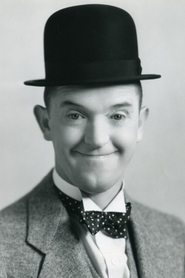
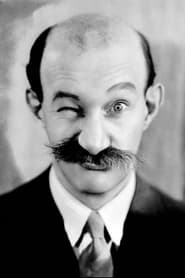
In this two-reel Laurel and Hardy-era comedy, a pair of rival Scottish clans are encouraged to bury the hatchet by sharing a supper invitation, but the attempt at reconciliation quickly degenerates into comic chaos. Stan Laurel plays a well-meaning figure caught amid the clan tensions, while James Finlayson brings his familiar blustering temper to the proceedings, escalating misunderstandings at every turn. What begins as a social gesture of goodwill becomes a chain of practical jokes, suspicious glances, and physical mishaps that play on clan pride and exaggerated notions of Highland honor. Mickey Daniels adds youthful mischief to the mix, helping drive the gags toward ever more disorder as the evening goes badly off the rails. By the end, the film turns the idea of diplomatic hospitality into an anarchic farce, with the feuding families no closer to peace than before.
About the Production
Short Kilts was produced during Hal Roach’s prolific silent-comedy period, when the studio specialized in fast-turnaround two-reel shorts built around broad visual gags, feuding characters, and escalating disorder. The film was directed by George Jeske, one of the important craftsmen of the Roach comedy unit, and features several performers who were regulars in the studio’s stable, including Stan Laurel, James Finlayson, and Mickey Daniels. Like many silent-era comedies from this era, it was made efficiently on studio stages and nearby exterior sets rather than on expensive location shoots. Surviving documentation on exact production circumstances is limited, so detailed records of budget, crew-specific challenges, and filming schedule are not readily available.
Historical Background
Short Kilts was made in 1924, near the height of the American silent-comedy short subject. The film reflects a period when studios like Hal Roach, Mack Sennett, and others were producing large quantities of two-reel comedies to accompany features in first-run and neighborhood theaters. It also comes from an era when ethnic caricature, regional stereotypes, and exaggerated class or clan conflict were common comic devices, which modern viewers may read very differently from contemporary audiences. In the larger history of cinema, the short is part of the ecosystem that trained performers such as Laurel and Finlayson in timing, physical expression, and ensemble comedy before sound transformed screen performance.
Why This Film Matters
Although not among the most famous silent comedies, Short Kilts is culturally significant as a surviving example of the short-form studio comedy that shaped the careers of major comic performers and defined everyday moviegoing in the 1920s. It also documents the pre-feature-star system of comic ensembles in which performers moved fluidly between supporting and leading roles. For Laurel specifically, it is valuable as an example of the varied comic work he did before his partnership with Hardy became the defining achievement of his career. The film additionally illustrates how silent-era comedy mined Scottishness, clan rivalry, and rustic hospitality as instantly readable shorthand for conflict, revealing both the period’s comic assumptions and its broader cultural attitudes.
Making Of
Short Kilts emerged from the highly organized Hal Roach production system, where directors, writers, and performers developed comedy routines quickly and economically. George Jeske, who directed many short comedies for Roach, specialized in staging gags cleanly so that the comic rhythm remained fast and legible for silent audiences. The film also reflects the transitional period in which Stan Laurel was still appearing in a variety of ensemble and supporting comic roles before his iconic long-term collaboration with Oliver Hardy became fixed. James Finlayson’s presence is especially notable because he had already become a reliable source of bluster, double takes, and explosive frustration, all of which were central to silent slapstick. Detailed surviving production memos are scarce, so much of the behind-the-scenes record consists of the film’s placement within Roach’s broader assembly-line approach to comedy filmmaking rather than individualized anecdotes.
Visual Style
The film would have relied on straightforward silent-comedy visual style: static or lightly mobile camera setups, clear staging, and compositions designed to emphasize physical action and reaction. Like many Hal Roach shorts, the cinematography was intended to present gags with maximum clarity rather than flamboyant camera movement. The visual humor likely depends on body language, costume contrast, and broad facial expressions, all essential tools in silent performance. Any exterior scenes would have been used primarily for establishing atmosphere or setting up the Scottish-clan conceit, while interiors would provide the controlled environment for escalating slapstick.
Innovations
Short Kilts does not appear to be associated with major technical innovations, but it exemplifies the polished technical efficiency of Hal Roach comedy production. The film’s achievements lie in timing, editing rhythm, and the clear orchestration of ensemble gag sequences rather than in experimental camerawork or special effects. Its technical craft would have centered on maintaining visual continuity so the audience could follow rapid-fire misunderstandings and escalating physical comedy. In that sense, it represents the mature silent short-comedy form at a moment when studios had refined the grammar of screen slapstick.
Music
As a silent film, Short Kilts had no synchronized recorded soundtrack at the time of release. Musical accompaniment would have been supplied live by theater musicians, and the exact score or cue sheet, if any, is not generally documented in widely available sources. Modern screenings may use custom silent-film piano, organ, or ensemble accompaniment chosen by archivists, festivals, or distributors. Because no original soundtrack is known to survive as a fixed component of the film, music history is tied to exhibition practice rather than to a single canonical score.
Famous Quotes
null
Memorable Scenes
- The central supper invitation that is supposed to reconcile the two clans but instead becomes the setup for a chain reaction of comic hostility and embarrassment.
- The escalating dinner-table business in which politeness and clan pride repeatedly collapse into slapstick disorder, a hallmark of silent short comedy structure.
- Any scene in which James Finlayson’s trademark irritation is triggered and then pushed to absurd extremes, turning simple social friction into broad physical comedy.
Did You Know?
- The film belongs to the short-subject comedy tradition that helped establish Hal Roach Studios as a leading supplier of theatrical shorts in the 1920s.
- Stan Laurel appears here before the full Laurel and Hardy partnership was solidified, making the film part of his pre-duo comedy career.
- James Finlayson is cast in one of his signature screen types: the hot-tempered comic foil whose outrage fuels the gag structure.
- Mickey Daniels was one of the most recognizable child performers associated with the Our Gang/Spanky-era comedy tradition and frequently appeared in Roach productions.
- The title is a punning reference to Scottish dress and clan imagery, reflecting the silent-comedy habit of building films around ethnic caricature and comic misunderstanding.
- As with many silent shorts, the exact original musical accompaniment is not definitively documented and would have varied from theater to theater at the time of release.
- The film was released in the same period when silent comedy shorts were a key component of weekly theatrical programming across the United States.
- Because many studio shorts of this era circulated widely but were not always preserved equally well, surviving materials and complete archival certainty can be uneven compared with later feature films.
- George Jeske was one of the dependable directors in the Roach system, contributing to the studio’s reputation for efficient, gag-driven comedy.
- The film’s premise of using a dinner invitation as a peace gesture fits a common silent-comedy pattern: civilized gestures collapsing into physical mayhem.
What Critics Said
Contemporary critical response is not well documented in surviving sources, and there is no widely cited major review history attached to the film today. As with many silent shorts, it was likely reviewed, if at all, in trade notices or brief local exhibition listings rather than extensive critical essays. Modern appraisal tends to focus less on the film as a standalone masterpiece and more on its value within the careers of Laurel, Finlayson, and the Hal Roach comedy unit. Film historians generally regard such shorts as useful artifacts of silent slapstick craft, ensemble timing, and studio comedy style rather than as landmark works of cinematic innovation.
What Audiences Thought
There is no comprehensive surviving audience data for Short Kilts, which is typical for silent-era shorts. At the time of release, it would have been consumed as part of a larger bill, with audience reaction likely depending on the performers’ popularity and the effectiveness of the live projection accompaniment. The premise of feuding clans and dinner-table disruption would have been designed for immediate visual payoff, making it accessible to general audiences regardless of language barriers. Modern viewers who encounter it usually do so through archival screenings, silent-comedy anthologies, or research-oriented viewing, where its appeal lies in historical interest and familiar performers rather than mass contemporary fandom.
Film Connections
Influenced By
- Stage farce
- Music-hall and vaudeville comedy traditions
- Ethnic comic sketches common in silent-era shorts
- Earlier slapstick short-comedy formulas
This Film Influenced
- Later Hal Roach short comedies
- Subsequent Scottish-themed slapstick and parody shorts
- Early ensemble comedies built around domestic or social chaos
You Might Also Like
More Comedy Films
View allMore from George Jeske
View allFilm Restoration
The film is believed to survive in archival circulation, though like many silent shorts its preservation history is not always documented in great detail in public-facing sources. Surviving copies may exist in film archives, private collections, or as transfers used for repertory screenings and home-video releases of Laurel-related material. It should not be considered lost based on available evidence, but completeness and print quality may vary depending on the source element.