1921 · Approximately 20 minutes

Also available on: Archive.org
The Bell Hop

The Bell Hop

1921 Approximately 20 minutes United States
Mistaken identity and accidental heroismChaos within institutionsEspionage as comic farceThe underdog unexpectedly succeedingOrder disrupted by physical comedy

Plot

Larry Semon plays a bumbling hotel bellhop who becomes entangled in an international spy caper after a government official hides secret papers in the hotel safe. When a ring of spies steals the documents, a female government agent arrives to recover them and recruits the bellhop, whose clumsiness repeatedly turns dangerous situations into slapstick chaos. As he blunders through the hotel, he accidentally disrupts the spies’ plans, gets into a succession of fights, chases, and disguise gags, and unwittingly helps expose the criminal ring. The plot moves at the rapid pace typical of Semon’s two-reel comedies, with the espionage premise mainly serving as a framework for physical comedy, visual tricks, and escalating mayhem. By the end, the stolen papers are recovered, the spy ring is broken up, and the bellhop’s improbable heroics are validated despite his ineptitude.

About the Production

Release Date 1921
Production Vitagraph Company of America
Filmed In United States

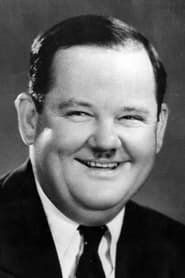
The film was produced during Larry Semon’s peak years as a comedian-director for Vitagraph, when he specialized in fast-paced, effects-heavy slapstick shorts built around elaborate gags and chaotic action. Like many Semon comedies, it was made as a two-reeler, relying on stage-like sets, broad physical business, and stunt-driven comedy rather than dialogue. Oliver Hardy appears in one of his many pre-Fatty Arbuckle and pre-Laurel & Hardy supporting roles, reflecting the way silent slapstick ensembles often reused performers across multiple short subjects. Specific production records such as exact budget, shooting schedule, or location details are not readily documented in surviving standard references.

Historical Background

The Bell Hop was released in 1921, at a time when the American film industry was consolidating its studio system and silent comedy was one of the most commercially reliable forms of popular entertainment. This was the period when short comedies often appeared on programs alongside features, newsreels, and serial chapters, giving audiences a broad mix of entertainment in a single theatrical visit. The post-World War I era also saw public fascination with modernity, bureaucracy, and espionage, making a spy plot a timely and flexible premise for comedy. Larry Semon worked in the same broader comic tradition as Chaplin, Keaton, and Lloyd, but his films often emphasized frenetic energy and visual overstatement more than character psychology. The film matters historically as part of the short-subject slapstick ecosystem that shaped screen comedy language before features fully dominated studio output.

Why This Film Matters

The Bell Hop is culturally significant as an example of early 1920s slapstick that blends topical thriller elements with broad physical comedy, demonstrating how silent comedians repurposed current-adjacent themes into gag machines. It also has archival value because it preserves a glimpse of Oliver Hardy in one of the many roles he played before becoming half of one of cinema’s most enduring comedy duos. Larry Semon’s work influenced the development of high-energy visual comedy through his use of chases, mistaken identity, large-scale physical business, and comic escalation. While not as widely celebrated today as some contemporaneous classics, films like this help explain the industrial and stylistic diversity of silent comedy beyond the best-remembered names.

Making Of

The Bell Hop was made in the context of Larry Semon’s busy output at Vitagraph, where he was expected to deliver compact comedies built around highly choreographed slapstick set pieces. Semon commonly wrote, directed, and starred in his own films, giving them a distinct identity centered on frantic pacing, visual chaos, and elaborate physical stunts. The presence of Oliver Hardy is notable because it places the film in Hardy’s extensive pre-fame silent period, when he frequently worked for multiple studios in supporting comic roles. Surviving documentation does not preserve extensive production memoirs or day-to-day shooting reports, but the film clearly belongs to the era when studios made short comedies efficiently on controlled sets with an emphasis on repeatable gag construction.

Visual Style

The film’s visual style would have been shaped by the conventions of early 1920s silent comedy: static or lightly mobile camera setups, clearly framed action, and staging designed to keep physical gags readable. Like many Semon shorts, the cinematography likely emphasized the performer’s full-body movement and the spatial relationships among hotel interiors, props, and pursuing characters. The hotel environment offers opportunities for doors, corridors, safes, and crowded lobbies, all ideal for visual timing and slapstick misdirection. Surviving descriptions and genre conventions suggest a focus on clarity, rhythm, and the legibility of every gag rather than elaborate camera movement.

Innovations

The Bell Hop does not appear to be associated with major technical innovation in the way some contemporary feature films were, but it represents the refined craft of silent slapstick production. Its achievement lies in the orchestration of physical comedy, timing, and gag escalation within a compact running time. The film likely employs practical stunt work, prop-based business, and visual clarity to maintain momentum through a rapidly developing comic-espionage plot. For audiences and historians, the technical interest is less about invention than about the efficient assembly of comedy mechanics characteristic of Larry Semon’s work.

Music

As a silent film, The Bell Hop originally had no synchronized recorded soundtrack. In its original theatrical release, it would have been accompanied by live music supplied by a pianist, organist, or small ensemble, often using cue sheets or improvised selection based on theater practice. Any music associated with modern screenings or home-video presentations depends on later accompaniment choices rather than a historically fixed score. No original composed score is widely documented in standard references for this title.

Memorable Scenes

  • The bellhop’s chaotic involvement in the hotel’s security and the secret-papers plot, which turns ordinary hotel business into a farcical spy operation.
  • The recurring comic escalations in which the bumbling bellhop inadvertently thwarts the spies through accidents, chases, and physical misunderstandings.
  • The hotel-safe intrigue, which provides the central MacGuffin and frames the film’s sequence of slapstick complications.

Did You Know?

  • The film was directed by and stars Larry Semon, who was one of the most popular slapstick comedians of the early 1920s.
  • Oliver Hardy appears in the cast years before he formed the famous Laurel and Hardy partnership.
  • The story uses espionage as a comic device, a common silent-era strategy for adding urgency and chase structure to slapstick shorts.
  • The film is generally classified as a two-reel comedy, the standard short format for many studio comedies of the period.
  • Larry Semon’s films were known for extravagant physical comedy and large-scale gags, even in short-subject form.
  • Frank Alexander was another familiar supporting performer in Semon’s comedies and a recurring figure in early silent slapstick ensembles.
  • Because it is a silent film, any music heard today depends on the modern restoration or screening accompaniment rather than an original synchronized soundtrack.
  • The bellhop role was a perfect fit for Semon’s screen persona, which often centered on a frantic underdog who accidentally triumphs through chaos.
  • The film survives in at least some form and has been cataloged by film archives and databases, unlike many silent comedies that are now completely lost.
  • Its plot structure reflects the period’s fascination with hotels, spies, and mistaken-identity comedy, all popular ingredients in 1920s shorts.

What Critics Said

Contemporary reviews are not widely preserved in standard modern references, but Larry Semon comedies were generally marketed as lively, gag-driven entertainments aimed at broad audiences. At the time, his work was often appreciated for its energy and spectacle, though later critics frequently judged it as less subtle than the films of Chaplin or Keaton. Modern reception tends to treat The Bell Hop primarily as an archival and historical artifact, valued for its place in Semon’s filmography and for Hardy’s appearance, rather than as a canonical masterpiece. Silent-comedy historians often note that Semon’s reputation has fluctuated over time, and reevaluation of his shorts depends heavily on access to surviving prints and restorations.

What Audiences Thought

There is no detailed surviving box-office record for this specific short, but as a Vitagraph comedy featuring a popular star, it was likely intended as dependable program material for mainstream theater audiences. Silent comedy shorts were usually judged by immediate audience response in theaters: laughs, applause, and repeat booking potential rather than long-term individual-film grosses. The combination of a hotel setting, spies, and a bumbling bellhop would have offered audiences easy-to-follow visual comedy without requiring intertitles-heavy exposition. Today, its audience is primarily cinephiles, silent-film enthusiasts, and viewers interested in early performances by major comedy figures.

Film Connections

Influenced By

  • Stage farce and vaudeville slapstick
  • The expanding popularity of spy melodramas in the early 1920s
  • Earlier hotel-set comedy routines and mistaken-identity comedies
  • The broader silent short-comedy tradition developed by Keystone and other studios

This Film Influenced

  • Later hotel-comedy shorts and features that use institutional settings for slapstick
  • Subsequent espionage comedies that mix spy plotting with physical humor
  • Early comic vehicles that paired action-thriller elements with broad gag construction

Film Restoration

The film is preserved in at least some surviving form and is known to archive databases and film references; it is not generally classified as a lost film, though the completeness and quality of extant materials may vary.

Themes & Topics