The Dashing Merchant
Plot
The Dashing Merchant is a brief early Russian screen adaptation of Ivan Nikitin’s poem "Ukhar-kupets," produced for Pathé and directed by Vasiliy Goncharov. In the film, the merchant-hero is presented as a lively, boastful, and socially prominent figure whose swagger and status define the action, reflecting the poem’s folkloric tone and character-based humor. The narrative follows the poem’s central dramatic idea rather than a complex cinematic plot, emphasizing personality, costume, and gesture over elaborate incident. As with many films of the period, the story likely unfolds in a series of tableau-like scenes that dramatize the verse source in condensed form. The result is an early literary adaptation that translates a well-known Russian poetic work into a silent, pictorial performance.
About the Production
This film was made in the formative years of Russian narrative cinema, when stage traditions and literary adaptation strongly shaped screen production. It is specifically noted as an adaptation of Ivan Nikitin’s poem "Ukhar-kupets," showing the period’s interest in bringing canonical Russian literature and verse to the screen for a mass audience. Vasiliy Goncharov was one of the key pioneers of early Russian filmmaking, and works like this helped establish conventions for staging, blocking, and screen storytelling before the feature-film era. Because surviving production documentation is limited, many practical details such as exact shooting locations, set construction, and labor conditions are not securely documented in accessible sources. The film’s association with Pathé also places it within the international distribution and production networks that influenced Russian cinema in the pre-Revolutionary period.
Historical Background
The film was made in 1909, when the Russian Empire was undergoing rapid social and cultural change in the years before the upheavals of World War I and the revolutions that would follow. Cinema was still a relatively new medium, and filmmakers frequently turned to poetry, folklore, and classic literature to give film artistic prestige and familiar subject matter. In this environment, adaptations like The Dashing Merchant helped demonstrate that film could serve as a vehicle for national culture rather than merely novelty entertainment. The production also belongs to the pre-feature era, when films were often short and built around single incidents, character sketches, or literary episodes rather than complex multi-reel narratives. Historically, it matters as part of the foundation of Russian narrative cinema and the early adaptation of literary works for the screen.
Why This Film Matters
The film is culturally significant as an early example of Russian cinema engaging directly with a literary poem, showing how the screen was used to popularize and visualize nationally recognizable texts. It reflects the broader cultural project of the time: making cinema respectable by linking it to high literature, folk subjects, and familiar dramatic types. For film historians, it is also a valuable example of Vasiliy Goncharov’s pioneering work, since he helped establish the conventions that would shape Russian storytelling on film. Even where the film itself is not widely known to modern audiences, its existence is important for understanding how early Russian cinema developed a local identity distinct from, yet connected to, European models. Its significance lies less in mass fame than in its place within the evolution of adaptation practice and early screen performance.
Making Of
The Dashing Merchant belongs to a phase when Russian filmmakers were still defining how literature could be translated into film language. Vasiliy Goncharov was active in creating early screen adaptations that often drew on familiar texts, helping audiences recognize stories through costume, gesture, and visual composition. The involvement of Pathé suggests a production environment influenced by broader European film practices, even as the content remained distinctly Russian in subject matter and literary source. Because the film survives in limited documentation, specifics about set design, shooting schedule, and on-set methods are not well preserved, but the project clearly reflects the period’s reliance on concise dramatic illustration and strongly posed acting. Its making is best understood as part of the larger effort to legitimize film through association with respected literature.
Visual Style
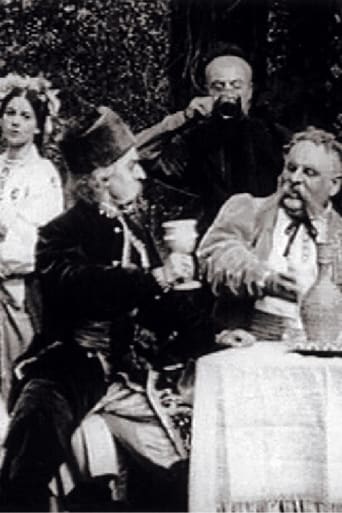
Specific shot-by-shot cinematographic documentation is not widely available, but films of this type and date typically used static camera placement, proscenium-like framing, and tableau composition. The visual style would likely emphasize full or medium-full figures arranged in carefully posed scenes so that gestures, costume, and social status could be read immediately. Early Russian productions often borrowed from theater in their blocking and expressive acting, and The Dashing Merchant would be expected to follow that pattern. The emphasis would have been on clarity and legibility rather than camera movement or elaborate optical effects. Its cinematography is therefore historically notable as an example of early screen grammar before more dynamic editing and camera work became standard.
Innovations
The film’s main achievement is historical rather than technical: it demonstrates the early adaptation of a poem into cinematic form during a period when film language was still developing. Its significance lies in the translation of literary structure into visual sequence, requiring filmmakers to communicate character and narrative through performance and staging. The production also illustrates the use of cinema as an outlet for prestige adaptations in the Russian Empire, helping expand the medium’s cultural legitimacy. No specific mechanical or special-effects innovation is known for the title, and it is best understood as a representative example of early narrative construction rather than a technical milestone. Its value for historians comes from how it embodies the conventions of the era.
Music
As a 1909 silent film, The Dashing Merchant had no synchronized recorded soundtrack. It would originally have been accompanied live in the cinema, likely by a pianist, small ensemble, or improvising accompanist depending on venue and local practice. In some screenings, exhibitors may have used cue sheets or selected music suited to the poem’s folkloric and dramatic character, though no specific score is known to survive for this title. Because the film is an adaptation of a poem, musical accompaniment would have been especially important for setting mood and helping guide audience interpretation. No original composed score is documented in the available sources.
Memorable Scenes
- The merchant’s character is introduced and defined through bold, expressive silent acting that communicates his swagger and social confidence.
- Tableau-style scenes likely present key moments from the poem in a straightforward visual dramatization, emphasizing costume and gesture over action.
- The adaptation’s central appeal comes from seeing a familiar literary figure embodied on screen in an early Russian cinematic style.
Did You Know?
- The film adapts Ivan Nikitin’s poem "Ukhar-kupets," linking it directly to Russian literary culture.
- It was directed by Vasiliy Goncharov, one of the early pioneers of Russian narrative film.
- The production is associated with Pathé, reflecting the international industrial presence in early Russian cinema.
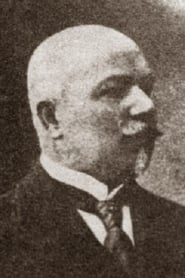
- The cast is documented as including Aleksey Slavin, Yelizaveta Goreva, and Mariya Korolyova.
- Because it dates from 1909, it belongs to the period before the Russian feature film became fully established.
- Like many films of its era, it likely relied on performance, costume, and tableau composition rather than editing-driven storytelling.
- The film is important as an example of how early cinema adapted poetry and popular literature for the screen.
- Information on exact running time, release date, and preservation details is sparse, which is common for very early films.
- It illustrates the close relationship between theatrical performance traditions and early Russian screen acting.
What Critics Said
Contemporary critical reception is not well documented in widely accessible surviving sources, which is typical for many very early films from 1909. At the time, such productions were often evaluated more for their novelty, fidelity to familiar source material, and visual clarity than for cinematic sophistication in the modern sense. In retrospect, historians tend to view The Dashing Merchant as a representative early Russian literary adaptation rather than a canonical masterpiece. Its value today is primarily archival and historical, offering evidence of how film form, acting style, and literary adaptation were developing in the Russian Empire. Because the film is obscure and early, later criticism focuses more on its context and director than on extensive aesthetic debate.
What Audiences Thought
There is no detailed surviving audience-response record readily available for this specific title, but a film like this would likely have appealed to viewers through its recognizable literary source and vivid characterization. Early audiences often enjoyed films that adapted familiar poems, plays, and stories because they could immediately understand the action and enjoy seeing known material visualized on screen. The merchant figure and folkloric tone would have resonated with audiences accustomed to stage performance and popular verse. As a short silent film, it would probably have been presented as part of a mixed program, where its appeal came from immediacy and novelty rather than long-form narrative immersion. Any broader audience success is therefore inferred from the era’s general enthusiasm for literary and dramatic adaptations, not from detailed box-office evidence.
Film Connections
Influenced By
- Ivan Nikitin's poem "Ukhar-kupets
- Russian theatrical performance traditions
- Early European studio production practices
- Pathé production style
This Film Influenced
- Later Russian literary adaptations
- Early pre-Revolutionary Russian historical and character films
You Might Also Like
More Drama Films
View allMore from Vasiliy Goncharov
View allFilm Restoration
Preservation status is not clearly documented in widely accessible sources; it is uncertain whether a complete print survives. As with many films from 1909, it may be lost, fragmentary, or preserved only in archival reference materials. No widely cited restoration history is currently established for this title in the sources available here.