What the Doctor Ordered
Plot
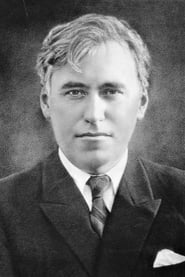
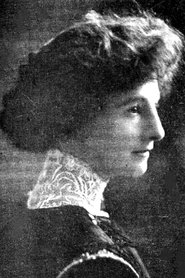
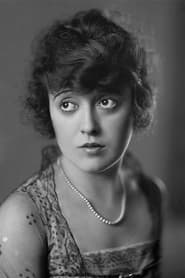
What the Doctor Ordered is a one-reel Mack Sennett comedy short built around a simple domestic misunderstanding and the escalating chaos that follows. In the surviving descriptions, Mack Sennett appears opposite Kate Toncray and Mabel Normand in a broad comic scenario in which a doctor's advice, or what seems to be medical authority, sets the action in motion. As with many early Keystone-style comedies, the humor depends less on intricate plotting than on fast-paced misunderstanding, physical gags, and rapid escalation among the characters. The film plays as a compact farce in which social embarrassment, mistaken assumptions, and comic disruption drive the action to its conclusion.
Director
Mack SennettAbout the Production
This was an early Keystone comedy made during the period when Mack Sennett was establishing the studio's house style of brisk, anarchic slapstick. Like many 1912 shorts from Keystone, it was produced quickly, with modest means, on open-air sets and practical locations around the Los Angeles area rather than on elaborate built sets. The film is closely associated with the early screen careers of Mack Sennett and Mabel Normand, both central figures in the development of silent slapstick comedy. Surviving documentation on individual production circumstances is limited, so detailed budgetary or shooting-day records are not known.
Historical Background
The film was produced in 1912, when the American film industry was transitioning rapidly from short one-reel attractions into a more organized commercial system with developing genres, recognizable stars, and increasingly standardized production practices. Keystone Film Company, founded in 1912, became one of the crucial incubators of screen comedy, and Mack Sennett emerged as a key architect of the slapstick tradition that would influence American popular entertainment for decades. This was also an era when silent cinema was becoming a mass medium with expanding distribution, and comedy shorts were among the most reliable crowd-pleasers in nickelodeons and vaudeville-linked exhibition venues. What the Doctor Ordered matters historically because it represents the early formation of a comic style and production culture that would later shape stars such as Charlie Chaplin, Roscoe Arbuckle, and Mabel Normand herself.
Why This Film Matters
Although not one of the best-known Sennett titles, the film belongs to the foundational corpus of American slapstick comedy. Films like this helped normalize the idea of fast, physical, exaggerated screen comedy as a major form of mass entertainment, distinct from melodrama or stage-derived filmed performance. The participation of Mabel Normand also matters culturally because she was one of the first major female comedy stars, helping prove that women could be central comic agents rather than merely romantic foils. For scholars of early cinema, the film is significant as a piece of the Keystone machine that trained performers, refined comic timing, and established tropes that later comedy filmmakers would inherit and reshape.
Making Of
What the Doctor Ordered was made at a time when Mack Sennett was helping define the production methods and comic rhythms that would dominate American slapstick for years. Keystone films were typically made fast, with minimal retakes, a small stock company of performers, and a focus on improvisatory physical business that could be staged economically. Mabel Normand's participation is especially significant because she was one of the period's most gifted screen comedians and often brought a warmth and precision to Keystone chaos that balanced Sennett's rougher comic impulses. Detailed behind-the-scenes records do not survive for this title, but its production almost certainly followed the standard Keystone model of rapid scripting, loose staging, and emphasis on gags over psychological realism.
Visual Style
The cinematography would have reflected early Keystone practice: static or lightly adjusted camera setups, straightforward framing, and emphasis on keeping the full action visible for broad physical comedy. Early 1912 slapstick often used simple compositions that allowed performers to move in and out of the frame and to stage gags in a legible theatrical space. Lighting was typically natural or minimally controlled, and the camera's role was to document action cleanly rather than to create expressive visual effects. If surviving materials are incomplete, then any more precise assessment of shot structure or camera movement remains difficult.
Innovations
The film does not appear to be associated with a specific technical innovation. Its value lies instead in its illustration of early Keystone's efficient comic production methods, clear visual staging, and the emerging grammar of silent slapstick. In a broader sense, these films helped refine timing, edit-to-gag structure, and the use of ensemble motion within a fixed camera setup. That craft contribution was important to the evolution of screen comedy even when individual films were not themselves technically experimental.
Music
As a 1912 silent film, What the Doctor Ordered had no synchronized recorded soundtrack. In original exhibition, it would have been accompanied by live music chosen by the theater, often a pianist or small ensemble improvising or drawing from stock cue sheets and local practice. Specific cue sheets or commissioned scores for this title are not known to survive in widely documented form. Modern screenings of such films are typically accompanied by archival-style silent-film music or newly composed accompaniment.
Memorable Scenes
- A domestic comic situation is set off by the doctor's apparent instruction or involvement, creating a chain of misunderstanding that drives the farce.
- Mack Sennett and Mabel Normand's presence suggests the kind of broad, expressive physical comedy that would have been the centerpiece of the short.
- The film likely culminates in the standard Keystone pattern of escalating confusion, with action building toward an abrupt comic payoff rather than a tidy dramatic resolution.
Did You Know?
- The film is a Mack Sennett-directed comedy short from the very early Keystone era, before the studio became synonymous with its later pie-throwing, chase-heavy style.
- Mabel Normand, one of the great comedians of silent cinema, appears in the cast and was already becoming one of Keystone's most valuable performers.
- Kate Toncray was a frequent Keystone supporting player and appears here in one of the many domestic-comedy roles that made her a recognizable face in early slapstick.
- Mack Sennett himself appears in the film, which was common in his earliest productions before he focused more exclusively on directing, producing, and studio management.
- The film is considered a short comedy, likely intended as part of a program of multiple brief films rather than as a stand-alone feature.
- Like many 1912 comedies, it relied heavily on visual action and intertitle-driven narrative economy rather than on dialogue or elaborate story complexity.
- The title reflects a common early-cinema practice of using a punning or suggestive phrase to promise comic mishap centered on a social situation.
- Surviving plot descriptions for the film are very limited, which is typical for many early shorts whose documentation has been partially lost over time.
- Its historical importance lies more in its place within the Keystone/Mack Sennett production stream than in any single famous scene preserved in popular memory.
What Critics Said
Contemporary reviews specific to this title are not widely documented, which is common for many one-reel silent comedies from the early 1910s. In the broader context of early Keystone output, however, audiences and exhibitors generally valued these films for quick laughter, robust physical action, and reliable star appeal. Modern critical assessment tends to treat the film primarily as an archival and historical artifact rather than as a fully recoverable narrative work, because many early comedies survive only in fragments of documentation or incomplete prints. Its reputation today rests on its association with Sennett, Normand, and the Keystone style rather than on extensive surviving criticism.
What Audiences Thought
There is no detailed audience-response record preserved for this specific short, but Keystone comedies were generally popular with early 1910s audiences seeking short, energetic entertainment. The appeal of the film would have come from immediate visual humor, recognizable comic performers, and the promise of chaotic situations delivered quickly and efficiently. As with many shorts of the period, audience reception was likely measured through exhibition demand and repeat booking rather than formal box office reporting. Its continued entry in film databases suggests ongoing interest from silent-film enthusiasts and historians, even if the film itself is not widely screened.
Film Connections
Influenced By
- Music hall and vaudeville farce
- Stage farce traditions of the late 19th and early 20th centuries
- Early American one-reel comic shorts
This Film Influenced
- Later Keystone slapstick comedies
- The comic chase films associated with Mack Sennett's studio
- The broader tradition of fast-paced American silent-screen farce
You Might Also Like
More Comedy Films
View allMore from Mack Sennett
View allFilm Restoration
The survival status is not clearly documented in the available summaries; it is best treated as a possibly extant or incompletely documented early silent short, with preservation details not widely published in standard references. Many such films from 1912 survive only in fragmentary or uncertain archival holdings, if at all.