A Very Fine Lady
Plot
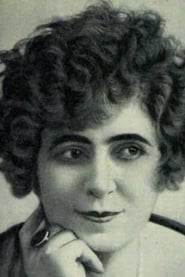
A Very Fine Lady is a short slapstick comedy built around Renée Carl as an elegant woman whose simple walk through the streets of Paris creates comic havoc everywhere she goes. As she passes through public spaces, she unintentionally draws the attention of men around her, causing them to lose focus, collide with one another, and stumble into a chain of physical gags and small accidents. The film plays as a brisk succession of visual jokes, with the lady functioning less as a conventional character with a detailed backstory than as the catalyst for escalating disorder. In the tradition of early French screen comedy, the humor depends on movement, timing, and reaction shots rather than dialogue, turning an everyday urban stroll into a miniature carnival of distraction and mishap.
Director
Louis FeuilladeCast
About the Production
This film was produced during Louis Feuillade's prolific early period at Pathé, when he was making numerous short comedies and dramatic shorts for the company on a fast production schedule. Like many films from 1908, it was designed as a concise, visually legible comic piece for exhibition in nickelodeons and early cinemas, with performance and blocking doing most of the narrative work. Renée Carl, one of Feuillade's important recurring performers, appears as the central figure, reflecting the studio system of early French cinema in which trusted actors were reused across multiple productions. Surviving documentation on exact shoot dates, budget, and release particulars is limited, and many such Pathé shorts were released with little surviving production paperwork.
Historical Background
In 1908, cinema was still in the process of defining itself as a narrative art form, and short comedies like A Very Fine Lady were central to that development. French film production, especially through Pathé, was among the most influential in the world, helping establish norms for editing, staging, distribution, and genre filmmaking. The film emerged in a period of rapid urban modernization, when Paris was itself a symbol of modern public life, fashionable display, and social movement, all of which made it an ideal setting for comic disruption. Its importance lies less in formal innovation than in its place within the larger evolution of screen comedy, showing how early filmmakers transformed simple behavioral observation into entertaining visual narrative.
Why This Film Matters
Although not a major canonical title, A Very Fine Lady is culturally significant as a surviving example of early French slapstick and of the kinds of compact comic scenarios that shaped later screen comedy. It illustrates how early cinema used gender, spectacle, and public space to generate humor, with the female figure functioning as both an object of admiration and a source of chaos in the social order of the street. The film also offers evidence of the industrial output of Pathé and the early career versatility of Louis Feuillade, who moved fluidly between comedy and the more elaborate serial forms that later made him famous. For historians, such shorts are valuable because they preserve the rhythm of pre-feature filmmaking and the everyday assumptions about movement, attraction, and urban behavior that informed early audience taste.
Making Of
A Very Fine Lady was made in the environment of Pathé's highly efficient early production system, where directors like Feuillade worked quickly and repeatedly with a small pool of actors. The film's comic premise suggests careful attention to staging in public-space tableaux, with performers positioned to maximize reaction and collision gags in a limited runtime. Renée Carl's casting indicates Feuillade's reliance on familiar collaborators who could convey character types clearly without intertitles or spoken dialogue. As with many films from 1908, detailed behind-the-scenes records are scarce, so much of what can be said about its making comes from the broader production practices of early French studio cinema rather than from extensive surviving documentation specific to this title.
Visual Style
The film likely employs the static, tableau-oriented camera setup typical of 1908 production, with action organized in a proscenium-like frame that allows the viewer to observe comic movement clearly. Because the humor depends on the accumulation of distractions and collisions, the camera would have needed to hold the street action in a readable composition, emphasizing entrances, exits, and reactions. Early Pathé comedies often relied on strong staging rather than camera movement, and this film appears to follow that approach, using the visual geometry of the street and the bodies within it as the core comic design. Its cinematographic interest lies in the clarity of presentation and the use of public space as a stage for motion-based humor.
Innovations
The film does not appear to be associated with a specific technical innovation, but it reflects several important early cinema practices. Its chief strength is the efficient staging of visual comedy in a compact running time, showing how filmmakers were learning to organize action for maximum readability. The film also demonstrates the early integration of location-like urban imagery into narrative comedy, using Paris streets as a dynamic comic environment. In that sense, its achievement is industrial and stylistic rather than technological: it exemplifies how Pathé and Feuillade could reliably produce clear, appealing narrative shorts for mass audiences.
Music
As a silent film, A Very Fine Lady had no synchronized recorded soundtrack. In its original exhibition, it would almost certainly have been accompanied by live music, typically a pianist, organist, or small ensemble depending on the venue and market. The specific historical score, cue sheet, or musical arrangement is not known to survive for this title. Modern screenings of silent films like this one are generally accompanied by contemporary archival, improvised, or newly composed music.
Memorable Scenes
- The central street-walk sequence in which Renée Carl's character passes through Paris and unintentionally triggers a string of collisions and comic mishaps among men who become distracted by her presence.
- The escalating chain-reaction style gags, where one person's loss of attention causes another accident, creating a miniature social chaos in public view.
Did You Know?
- The film is a silent short from the earliest years of narrative comedy, before feature-length comedy became standard.
- Renée Carl was a frequent performer for Louis Feuillade and appears in several of his early films, making her a recognizable early French screen presence.
- The comedy is driven almost entirely by visual action and situational irony, which was typical of 1908 screen humor.
- Its Paris setting is important because early French cinema often used recognizable urban spaces to give even very simple comedies a sense of modern life and movement.
- The title reflects a common early cinema practice of presenting a single striking character type or comic premise rather than a complex plot.
- Because the film dates from 1908, surviving information about cast, crew, and production details is often fragmentary and may come from archival catalogues rather than full contemporary publicity materials.
- Louis Feuillade is better known today for later works such as Fantômas and Les Vampires, but he also made many lighter shorts like this one early in his career.
- The film belongs to a transitional moment when French companies such as Pathé were refining comic narrative structure and timing for mass audiences.
- Like many early shorts, it likely screened as part of a mixed program alongside other brief films rather than as a stand-alone feature.
- The plot premise of an attractive woman causing accidental chaos anticipates a long tradition of screen comedy based on desire, distraction, and slapstick reaction.
What Critics Said
Contemporary critical reception is not well documented in surviving sources, which is common for brief 1908 shorts that were reviewed, if at all, only in trade or local exhibition contexts. Modern evaluation typically treats the film as an archival and historical artifact rather than a widely discussed masterpiece, with interest focused on Feuillade's authorship, Pathé production context, and the performance style of Renée Carl. Film historians value it for what it reveals about early comic construction, female screen presence, and the mechanics of silent slapstick before the genre became standardized by later comedians and feature-length productions. Because it survives primarily as a catalogued early film rather than a continuously circulated classic, critical discussion is limited but generally respectful of its historical interest.
What Audiences Thought
There is no robust surviving audience survey data from 1908, but the film was likely designed to appeal to contemporary viewers through instantly readable physical comedy and the familiar pleasure of watching social decorum disrupted. Early audiences were accustomed to short, varied programs, and a brisk comic piece like this would have functioned as a light diversion between more sensational or dramatic items. The premise of a fashionable woman causing embarrassment and collisions would have been accessible across language barriers, one of the reasons slapstick thrived in international early cinema circulation. Today, audiences who encounter it usually do so in retrospective screenings or archives, where it is appreciated more for historical charm and early comic rhythm than for narrative complexity.
Film Connections
Influenced By
- Early music-hall and vaudeville comedy
- French boulevard humor
- Early trick and chase films
- Pathé studio comic shorts
This Film Influenced
- Early slapstick comedies featuring a disruptive female figure
- Urban street comedies in silent cinema
- Later French short comedies built around visual misunderstanding
You Might Also Like
More Comedy Films
View allMore from Louis Feuillade
View allFilm Restoration
The film appears to survive in archival form or at least in catalogued holdings, as it is documented by modern film databases and archives; however, detailed restoration history is not widely documented and no specific restoration campaign is broadly noted in the available information. As with many films from 1908, image quality and completeness may vary depending on the surviving print or copy.