1915 · Approximately 10-20 minutes

Also available on: Archive.org
Fatty's New Role

Fatty's New Role

1915 Approximately 10-20 minutes United States
Chaos and escalationPublic disorder and social embarrassmentMisunderstanding and panicThe outsider disrupting polite societyPhysical comedy as narrative

Plot

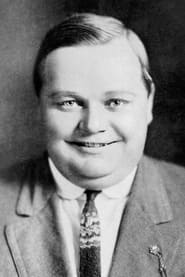
Roscoe "Fatty" Arbuckle plays a troublemaking bar patron whose rowdy behavior gets him thrown out of the establishment, setting off a chain of escalating comic misadventures. Soon afterward, the bar is disrupted again when a bomb threat is reported, plunging the staff and customers into panic. As in many Arbuckle shorts, the comedy depends on physical gags, confused authority figures, and the rapid piling-up of chaos around Fatty’s oversized, good-natured presence. The film unfolds as a compact one-reel farce, with the premise driven less by dialogue than by visual escalation, mistaken reactions, and slapstick mayhem.

About the Production

Release Date 1915
Production Keystone Film Company
Filmed In Keystone Studios, Edendale, Los Angeles, California, USA

Fatty's New Role was produced during Roscoe Arbuckle's Keystone period, when he was making a large number of short comedies in rapid succession for release as one-reelers. Like most Keystone productions of 1915, it was built around energetic slapstick staging, simple sets, and broad visual humor designed for immediate audience reaction rather than narrative complexity. Surviving documentation on the exact production circumstances is limited, but the film belongs to the phase in which Arbuckle was refining the comic persona that later made him one of the most admired silent comedians in America. The title has sometimes been cataloged with slight variant punctuation or indexing differences in archival sources, which is typical for surviving information on early shorts.

Historical Background

This film was made in 1915, during a formative period for American silent comedy and just before feature-length comedy became more common. Keystone was at the center of the early slapstick boom, and the studio's shorts helped define screen comedy as fast, physical, and anarchic. The year 1915 also sits within a broader film industry transition: exhibitors and producers were moving toward more polished narratives and longer films, but one-reel comedies still drew large audiences and remained an essential part of theatrical programming. Fatty's New Role belongs to that transitional moment, preserving the rough energy of early slapstick while also reflecting the growing star power of performers like Arbuckle, whose personality could carry a film even in a brief format.

Why This Film Matters

Although not among the most famous Arbuckle titles, Fatty's New Role is culturally significant as an example of the early comic language that shaped American screen comedy. Films like this helped establish recurring conventions: the unruly outsider, the escalating misunderstanding, the public setting that becomes a stage for chaos, and the use of physical performance as the main storytelling engine. Arbuckle's work at Keystone also influenced later silent comedians by demonstrating how an actor could combine broad slapstick with clear timing and a strong screen persona. For modern viewers and historians, the film is valuable as a surviving artifact of the studio system that produced many of the building blocks of cinematic comedy.

Making Of

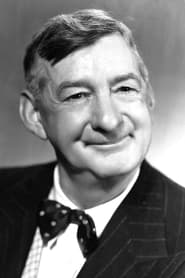
Fatty's New Role was made in the environment that defined Keystone comedy: a factory-like production system turning out short films quickly, with performers expected to improvise physical business on simple sets. Roscoe Arbuckle was already emerging as one of the studio's most reliable attractions, and his films from this period often paired him with a rotating roster of Keystone regulars such as Mack Swain and Slim Summerville. The humor would have depended heavily on staging, reactions, and timing rather than intertitles, since silent shorts of this type were meant to communicate instantly to theater audiences. Detailed production records are scarce, but the film fits securely into the broader history of Arbuckle's early development as a star who could turn ordinary situations into kinetic comic spectacle.

Visual Style

The cinematography would have been typical of mid-1910s Keystone production: static or minimally moving camera placement, full-figure framing, and a proscenium-like presentation that let the actors' physical business read clearly. Early slapstick shorts often relied on open interiors and straightforward compositions so that gags could be staged in depth and understood instantly by theater audiences. The visual style likely emphasized speed, spatial clarity, and group reaction shots over elaborate lighting or camera movement. As with many Arbuckle films from the period, the emphasis would have been on performance and blocking rather than photographic flourish.

Innovations

The film does not appear to be associated with any major technical innovation, but it is technically representative of the efficient one-reel comedy construction perfected by Keystone. Its achievement lies in the discipline of staging: clear blocking, quick setup-to-payoff structure, and the ability to keep multiple comic beats legible within a very short running time. The film also demonstrates the studio's mastery of ensemble slapstick, where several performers could contribute to a rapidly escalating comic situation without requiring elaborate effects or editing tricks. In historical terms, that craftsmanship itself was an important technical norm for early American comedy.

Music

As a 1915 silent film, Fatty's New Role originally had no synchronized recorded soundtrack. In theatrical exhibition, it would have been accompanied by live music, usually a pianist, organist, or small ensemble, with the specific accompaniment varying by venue. Any modern presentations would typically use either newly commissioned silent-film music, archival-style accompaniment, or generic repertory scores depending on the archive or distributor. No original cue sheet is widely documented in the available public record for this title.

Memorable Scenes

  • Fatty being ejected from the bar, a classic slapstick set-up that immediately establishes his disruptive comic presence.
  • The arrival of the bomb threat, which turns the barroom situation into a panic-driven farce.
  • The group reactions and confusion that typically follow in Keystone comedy, with multiple characters responding in exaggerated ways to the same crisis.

Did You Know?

  • The film is a short silent comedy from Roscoe Arbuckle's Keystone period, when he was one of the studio's most popular slapstick stars.
  • It is a one-reel film, typical of 1915 comic productions, meaning its entire story had to be told in a very compact format.
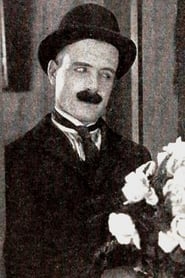
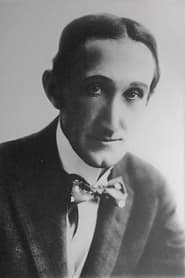
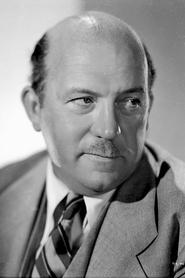
  • The cast includes Mack Swain and Slim Summerville, both major Keystone-era comic performers with distinctive physical-comedy styles.
  • The plot centers on a barroom expulsion followed by a bomb scare, combining two frequent silent-comedy devices: public chaos and escalation through misunderstanding.
  • Arbuckle often played heavyset but agile comic characters whose size became a source of timing-based gags rather than mere visual contrast.
  • Because many early Keystone shorts survive only in fragmentary documentation or archival copies, detailed scene-by-scene production records are limited for this title.
  • The film is representative of the rough-and-tumble, fast-paced house style associated with Keystone under Mack Sennett, even though Arbuckle's own comic timing often brought a more relaxed, controlled feel.
  • Early film databases and archives sometimes list the title in slightly different ways, so identifying the exact 1915 Arbuckle short is important to avoid confusion with other similarly titled or loosely indexed silent comedies.

What Critics Said

Contemporary criticism for this specific short is not widely preserved in readily accessible sources, which is common for many 1915 one-reel comedies. In its own era, Arbuckle was generally regarded as one of the most effective screen clowns of the day, and his Keystone shorts were valued for their lively pacing and dependable laughs. Modern critical assessment tends to view films like Fatty's New Role less as individually canonical works than as representative examples of early slapstick craftsmanship and Arbuckle's developing artistry. Film historians often appreciate these shorts for their place in the evolution of silent comedy and for the evidence they provide of how timing, physicality, and star persona worked in the pre-feature era.

What Audiences Thought

No precise audience-reaction records are commonly cited for this title, but Keystone comedies were designed for broad popular appeal and were typically shown in programs that relied on immediate, easily readable humor. Arbuckle was a proven crowd-pleaser, and his films often performed well with audiences who enjoyed fast-moving farce, pratfalls, and escalating disorder. The combination of a barroom incident and a bomb threat would have offered exactly the kind of sensational comic setup that played effectively in nickelodeons and early movie houses. Today, the film is mainly of interest to silent-comedy enthusiasts, archivists, and historians rather than general mainstream audiences.

Film Connections

Influenced By

  • Stage farce and vaudeville comedy traditions
  • Early Keystone slapstick formulas
  • Music-hall physical comedy

This Film Influenced

  • Later slapstick shorts built around escalating public chaos
  • Roscoe Arbuckle's own later comedies at Keystone and elsewhere
  • The broader tradition of American silent screen farce

Film Restoration

The film is not generally regarded as a lost title in major archival references, though availability may be limited and prints or digital copies may derive from archival holdings rather than commercial restoration. Like many silent shorts of this era, it survives in a historical/archive context more than in mainstream circulation, and the completeness or image quality can vary by source. If a modern copy is accessible, it is usually through specialized silent-film archives, library collections, or curated online platforms rather than standard home-video release.

Themes & Topics