The Marathon
Plot
A pair of confidence men and vaudeville-style schemers set out to exploit the social ambitions of a wealthy family, with Harold Lloyd’s character posing as a polished suitor in order to impress the girl he is pursuing. The plan quickly spirals into farce when the father becomes suspicious and a chase sequence develops through increasingly frantic misunderstandings and slapstick reversals. As the pursuit intensifies, the story collides with a real marathon race, and the hero finds himself running alongside, and eventually through, the event while trying to escape both the father and the police. The film builds to a succession of comic set pieces in which Lloyd’s trademark nervous physical comedy, the frenetic pacing, and the chaotic crowd energy of the race all converge into one extended comic climax. By the end, the romantic pursuit and the public chase merge into a single spectacle of speed, exhaustion, and escalating absurdity, with the underdog hero surviving largely through agility, timing, and sheer comic persistence.
About the Production
The film was made during Harold Lloyd’s rise as one of the major silent-comedy stars and reflects the highly polished gag construction associated with the Rolin Film Company. Like many Lloyd shorts of the period, it relies on location shooting, energetic crowd staging, and carefully timed physical comedy rather than elaborate sets. The title refers not only to the race integrated into the plot but also to the sustained comic endurance of the chase structure itself, which keeps the action moving at a rapid pace. Surviving accounts and film scholarship consistently note that the film exemplifies the development of Lloyd’s screen persona from a more frantic, clownish figure toward the confident, resourceful young comedian who would dominate his later features.
Historical Background
The Marathon was made in 1919, just after World War I, during a period when American popular entertainment was rapidly expanding in scale and sophistication. Silent comedy was one of the most popular forms of mass entertainment in the United States, and short subjects like this played a major role in shaping star personas and audience expectations before features fully dominated exhibition. The film also comes from a moment when sports spectacles, especially endurance events and public races, had strong cultural appeal as symbols of modernity, speed, and mass participation. In that sense, the movie reflects both the energy of postwar urban life and the era’s fascination with crowds, motion, and competition.
Why This Film Matters
The film matters today as an early Harold Lloyd comedy that helps trace the development of one of silent cinema’s most enduring comic identities. Its combination of romantic pursuit, physical danger, and everyday social aspiration anticipates the formula that would later make Lloyd’s feature comedies so influential. The use of a marathon as a comic centerpiece also demonstrates how silent films could transform contemporary public events into cinematic farce, turning real-world spectacle into narrative engine. For historians of comedy, it is a useful example of how short-form slapstick was becoming more organized, character-based, and emotionally legible in the years before sound.
Making Of
The Marathon was produced in the late silent era, when Harold Lloyd was rapidly developing the blend of precision stuntwork and socially recognizable comedy that would define his mature style. Alfred J. Goulding, who directed many short comedies in this period, worked in a mode that relied on tight visual timing, quick setup, and carefully escalating payoffs. The film’s structure suggests a production approach that prioritized physical action and public spectacle, especially in the race sequence, which would have required coordination with extras and careful control of movement in exterior scenes. While detailed production records are limited, the film is representative of Lloyd’s collaborative studio environment, where gag construction, staging, and editing were designed to keep momentum high and maximize comic clarity for silent audiences.
Visual Style
The visual style is typical of late-1910s American silent comedy, with an emphasis on clear framing, readable blocking, and movement through space. Exterior sequences, especially the race-related material, rely on the camera’s ability to capture kinetic action and crowd dynamics while keeping the comic protagonist visually legible within the wider environment. The cinematography favors practical locations and straightforward composition so that the audience can follow the chase mechanics without confusion. As in many Lloyd shorts, the visual humor comes as much from precise spatial relations and timing as from any single camera trick.
Innovations
The film’s notable achievement is its integration of location-based chase comedy with carefully managed crowd action, using the marathon setting as a moving comic arena. For a short film of this era, the coordination required to stage pursuit through a live-looking race environment is a significant practical accomplishment. The film also demonstrates Lloyd’s growing mastery of comic escalation, where each beat creates the next, allowing the story to feel bigger and more complex than a simple one-reel premise. While not a technological landmark in the sense of special effects or sound, it is technically notable for its precise staging, pacing, and physical-comedy engineering.
Music
As a 1919 silent film, The Marathon had no synchronized recorded soundtrack. It would originally have been accompanied by live music in theaters, often improvised or assembled from cue sheets and local musician practice. Any modern screenings or home-video presentations may use later-added musical scores, but these are not original to the production. Because silent comedies depended heavily on musical pacing, accompaniment would have played an important role in shaping the audience’s experience of the chase and gag rhythm.
Memorable Scenes
- The extended chase in which the hero is pursued by the girl’s father and the police, with the action eventually spilling into an active marathon race.
- The comic sequence of frantic improvisation as the protagonist attempts to maintain his romantic disguise while every new complication pushes him deeper into trouble.
- The crowd-filled race climax, where the contrast between athletic competition and slapstick panic becomes the source of the film’s biggest laughs.
Did You Know?
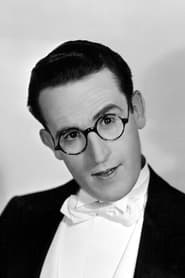
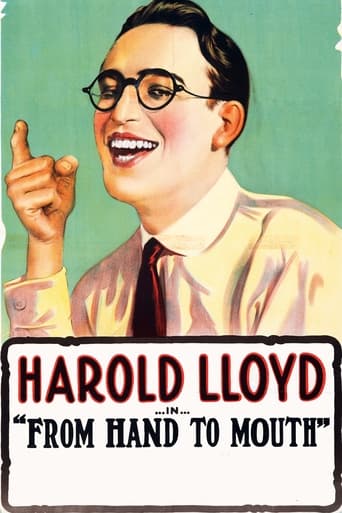
- The film is a Harold Lloyd short from the transitional period when he was refining the glasses-wearing, ambitious everyman persona that later made him one of silent cinema’s biggest stars.
- Although the story is built around a fictional romantic chase, the climax uses the visual spectacle of a real marathon race, giving the short an unusually dynamic public setting.
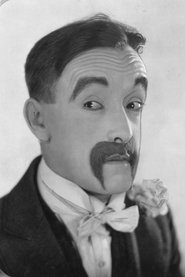
- Harry 'Snub' Pollard appears as part of the comic supporting ensemble, contributing to the style of brisk, gag-driven silent comedy common in Lloyd’s Rolin-era films.
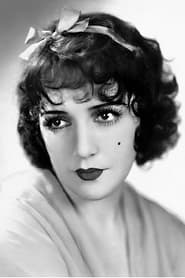
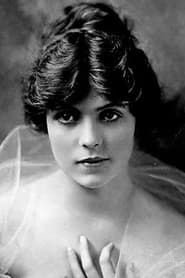
- Bebe Daniels appears in the film, and her presence reflects the frequent pairing of Lloyd with capable comedic leading ladies who could match his timing and romantic-comedy energy.
- The film is sometimes discussed in film histories as an example of how Lloyd’s shorts increasingly emphasized narrative momentum rather than isolated slapstick bits.
- Because it is a silent comedy, the film was originally shown with live musical accompaniment rather than a fixed soundtrack.
- The production belongs to the same broad era in which Lloyd’s comedies were becoming more ambitious in staging, editing rhythm, and location use.
- The film title has led some viewers to assume it is a sports picture, but the marathon is chiefly a narrative device for comic chaos rather than a true athletic drama.
- As with many early Lloyd productions, the humor depends heavily on physical escalation, with each attempt to solve a problem creating a larger one.
- The film remains of interest to historians because it captures an early stage in the evolution of screen comedy from one-reel slapstick toward more elaborate situational farce.
What Critics Said
Contemporary critical documentation for many short silent comedies is limited, but the film fit comfortably within the popular reception of Harold Lloyd’s work in the late 1910s, when audiences responded strongly to his energetic, likable screen presence. Modern critics and historians generally regard it as a solid example of Lloyd’s early comic development rather than one of his absolute masterpieces. It is valued less for critical prestige than for what it reveals about his transition from broad gag comedy to the more sophisticated romantic-adventure comedies that followed. When screened today, it is often appreciated by silent-film enthusiasts for its pacing, star chemistry, and the ingenuity of its chase construction.
What Audiences Thought
At the time of release, the film was designed for broad popular appeal and would have played as an accessible, fast-moving comedy for general audiences. Silent shorts in this mold were typically received in the context of a program rather than as stand-alone prestige works, so audience enjoyment depended on the star’s comic persona and the strength of the visual gags. Harold Lloyd’s growing popularity suggests that the film likely benefited from the public’s enthusiasm for his boyish, high-energy persona. Today, audiences who enjoy silent comedy often respond well to its brisk pacing and the way it builds a simple premise into escalating mayhem.
Film Connections
Influenced By
- Vaudeville comedy traditions
- Earlier chase comedies of the silent era
- Everyday urban farce and chase-based one-reel comedies
This Film Influenced
- Harold Lloyd’s later feature comedies built around elaborate chase-and-stunt finales
- Subsequent silent-era romantic chase comedies
- Later comic action films that merge sporting events with farce
You Might Also Like
More Comedy Films
View allMore from Alfred J. Goulding
View allFilm Restoration
Preserved; the film survives and is available in archival and home-video contexts, though the exact completeness and image quality may vary by source and print generation. Like many silent shorts, it may circulate in restored or digitized form derived from surviving archival materials.