1930 · 73 minutes

Also available on: Wikimedia
The Unholy Three

The Unholy Three

1930 73 minutes United States

"Three acts of villainy under the guise of respectability"

Outsider identity and social marginalizationDisguise and double livesThe corruption of respectabilityPerformance as survivalCrime hidden behind ordinary commerce

Plot

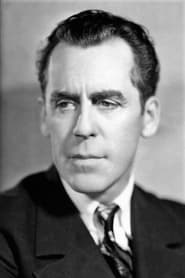
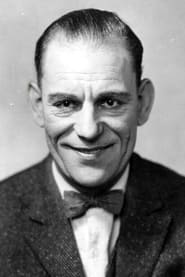
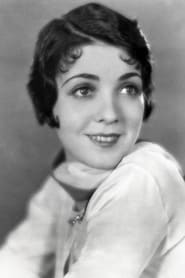
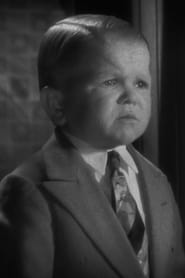
Three circus and sideshow performers leave the carnival after a falling-out and team up to support themselves through a series of deceptive schemes. The strongman Hercules, the ventriloquist Professor Echo, and the midget Tweedledee set up a small bird-and-pet shop as a respectable front, but the business is actually used to carry out thefts and robberies. When the trio targets wealthy victims for jewelry and other valuables, the act becomes increasingly dangerous, especially as their methods begin to unravel under police suspicion and internal mistrust. The professor’s affection for the innocent shop assistant Rosie adds a human complication to the criminal plot, and the film builds toward the exposure of the gang’s hidden identities and a tense collapse of their masquerade.

About the Production

Release Date 1930-08-02
Production Metro-Goldwyn-Mayer
Filmed In Metro-Goldwyn-Mayer Studios, Culver City, California

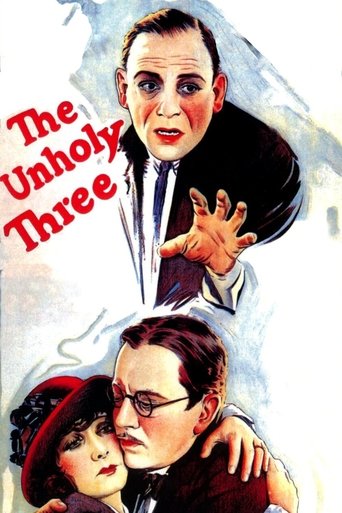
This 1930 sound remake reworked Tod Browning’s earlier 1925 silent film of the same title, itself based on Clarence Aaron Robbins’ story. MGM produced it as part of the studio’s early talkie-era cycle of prestige melodramas and crime pictures, and it was tailored as a vehicle for Lon Chaney, whose reputation for grotesque transformations made him a major box-office draw in both silent and sound-era promotion. The film is remembered for the uneasy transition between silent-style visual expression and early sound staging, with some scenes still emphasizing theatrical performance and image-driven storytelling. Chaney’s health was deteriorating during production, and this became his only complete sound film; he died shortly after the film’s release, which gives it special historical resonance. The picture also exists in multiple versions and presentations over time, with later restorations and television prints helping preserve its reputation among classic horror and crime-film fans.

Historical Background

The film was released in 1930, at a moment when Hollywood was rapidly transforming itself to accommodate sound and when the studio system was consolidating its control over production, distribution, and star branding. Pre-Code crime and melodrama films of this period often centered on marginal figures, social transgression, and the tension between respectable appearances and hidden vice, all of which are present here. The era also saw studios mining their own silent catalogs for remakes, both to capitalize on familiar stories and to give older stars a place in the new talking-picture marketplace. In that context, The Unholy Three stands as a transitional artifact: it is rooted in the visual expressiveness of the silent era, but it also belongs to the emerging world of early sound crime cinema and studio-managed nostalgia.

Why This Film Matters

The film is significant primarily as Lon Chaney’s sole completed sound feature and as a bridge between silent-expressionist performance and early talkie-era gangster/crime melodrama. It also reinforced one of cinema’s enduring archetypes: the carnival outsider whose bodily difference or theatrical skill is turned into both spectacle and narrative engine. In later film history, it is frequently discussed alongside other Chaney and Browning works because it captures their shared fascination with marginalized communities, disguise, and the collapse of the boundary between performance and identity. The movie’s reputation has also benefited from its association with pre-Code filmmaking, where moral ambiguity and criminal ingenuity were often presented with greater frankness than in later studio censorship years.

Making Of

The project was mounted at MGM in the early sound era, when studios were frequently revisiting proven silent properties and adapting them for audiences now eager for dialogue and synchronized effects. Lon Chaney’s participation was a major event because he had been synonymous with silent-era physical characterization, and the studio used the remake to keep him in a leading role while transitioning him into sound. The production also had to accommodate the limitations of early recording technology, which often restricted camera movement and encouraged more controlled staging than in silent melodramas. The film’s emotional tone depends heavily on makeup, gesture, and facial expression, showing that Chaney’s performance style still remained central even in a talkie. Its release became especially poignant because Chaney’s death soon afterward turned the film into a coda for one of cinema’s most famous careers.

Visual Style

The visual style retains many of the controlled, studio-bound qualities typical of early sound filmmaking, with compositions that privilege clear dialogue delivery and performance over fluid camera movement. At the same time, the film uses expressive close-ups, shadowy interiors, and staged reveal moments to emphasize disguise and psychological unease. The pet shop setting and the hidden criminal operations create a strong contrast between domestic ordinariness and underworld deceit, and the cinematography often exploits that contrast by keeping objects and faces carefully centered in the frame. The film’s overall look is less mobile than late silent Browning, but it still relies on atmosphere, makeup detail, and visual understatement to generate tension.

Innovations

The film’s main technical significance lies in its early sound-era production methods, which required careful staging for dialogue recording and limited camera flexibility. It also demonstrates how MGM adapted an established silent-era property into a talking picture without fully abandoning the visual shorthand that made the original effective. Makeup, physical characterization, and controlled sets remain crucial to the storytelling, helping the movie bridge silent and sound conventions. The production is historically notable less for flashy innovation than for preserving a star performance style that was becoming rare in the new sonic regime.

Music

As an early sound film, it features synchronized dialogue and incidental musical support typical of MGM’s early talkie practice. It does not have a widely known standalone score in the modern sense, and the music functions primarily as accompaniment rather than as a separately celebrated composition. The sound design is historically interesting because early talkies often emphasized spoken performance and basic sonic realism over elaborate scoring. For present-day viewers, the film’s soundtrack is most notable as part of Lon Chaney’s sole complete sound performance and the transitional texture of early 1930 cinema.

Famous Quotes

I got a way with birds.
This little shop is respectable.
We’re in business for ourselves now.

Memorable Scenes

  • The trio establishing their pet shop as a harmless-looking front while secretly using it to facilitate thefts and manipulation.
  • Lon Chaney’s Professor Echo shifting between courtly politeness and criminal calculation, showcasing his final screen performance.
  • The tension-filled moments when the criminal setup begins to crack and suspicion threatens to expose the gang’s identities.
  • The contrast between the cozy, almost domestic shop environment and the lurking menace of the group’s real intentions.

Did You Know?

  • This is Lon Chaney’s only complete sound film; he had been one of the biggest stars of the silent era.
  • The film is a remake of Tod Browning’s 1925 silent The Unholy Three, which also starred Lon Chaney.
  • Director Jack Conway was not Tod Browning, making this version notable as a studio-directed reinterpretation rather than the original authorial version.
  • The plot draws on the old melodramatic tradition of sideshow outsiders becoming criminals, a Browning favorite theme even when he was not directing this remake.
  • The movie helped cement the enduring pop-culture association between carnival performers, disguise, and criminal masquerade.
  • Its “pet shop” front is one of the most memorable examples of an innocent-seeming business concealing criminal activity in pre-Code cinema.
  • The film reflects early sound-film practice, with dialogue and stagebound scenes used sparingly but strategically to preserve suspense and star performance.
  • Because Chaney died in 1930, the film acquired an almost immediate retrospective importance as his final screen appearance.
  • The cast includes the diminutive actor Harry Earles, a recurring figure in Browning/Chaney carnival-centered films, reinforcing the troupe-like feel of the production.
  • The story’s blend of grotesque behavior, sympathy for outsiders, and crime drama helped influence later films about doomed underworld performers and con artists.

What Critics Said

Contemporary reaction was generally shaped by Chaney’s celebrity and by the novelty of hearing him speak, though critics often noted that the film felt somewhat old-fashioned even at release because it retained so much of the silent-era visual approach. Over time, the film has been reassessed less as a major standalone crime picture than as an important historical document: a transitional talkie, a Chaney swan song, and a remake that reveals MGM’s treatment of Browning material. Modern critics and classic-film historians often admire its eerie atmosphere, melancholy tone, and unusual mix of sentiment and menace, while also acknowledging that the early sound staging can make it feel static compared with later crime films. Its lasting critical value is tied as much to its place in Chaney’s career and the pre-Code cycle as to its narrative novelty.

What Audiences Thought

At the time of release, audiences were drawn above all by Lon Chaney’s name recognition and the promise of seeing a famous silent star in a sound film. The movie likely benefited from curiosity and from the appeal of its sensational carnival-and-crime premise, which fit popular tastes for melodrama and hidden menace. Later audiences, especially classic-horror and pre-Code enthusiasts, have tended to approach it as a cultish historical curiosity rather than a mainstream crime classic. Its reputation has remained strongest among viewers interested in vintage Hollywood oddities, Chaney memorabilia, and early sound cinema.

Film Connections

Influenced By

  • Clarence Aaron Robbins' original story
  • Tod Browning's 1925 silent The Unholy Three
  • Vaudeville and circus melodrama traditions
  • Pre-Code crime films and stage melodrama

This Film Influenced

  • Freaks (1932)
  • The Unknown (1927)
  • The Mystic (1925)
  • The Devil-Doll (1936)
  • Later carnival-crime and con-artist films

Film Restoration

The film is preserved and available in surviving prints/restorations; it is not considered lost.

Themes & Topics