1931 · 7 minutes

Also available on: Wikimedia
Ups 'n Downs

Ups 'n Downs

1931 7 minutes United States
Work versus leisureEscapismComic mischiefModern amusement and spectacleRestlessness and distraction

Plot

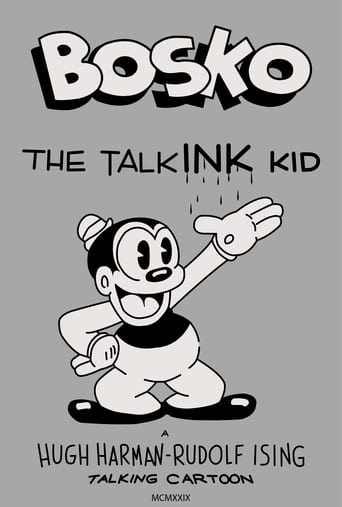
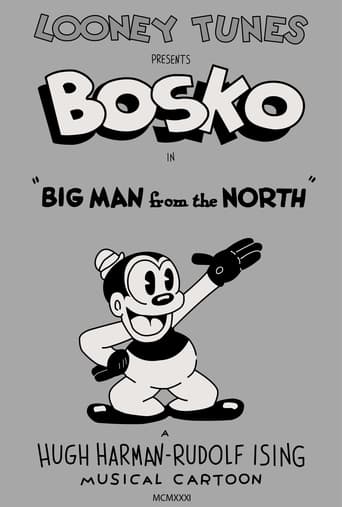
Bosko operates a hot dog stand at an amusement park, trying to keep up with the steady flow of customers while the park's attractions bustle around him. Restless and easily distracted, he slips away from his work to visit the racetrack, where he indulges his fascination with a mechanical horse. The short plays as a rapid-fire comic sequence of gags built around Bosko's attempts to enjoy himself without getting caught neglecting his stand. As in many early Bosko cartoons, the energy comes from exaggerated movement, musical timing, and a loose narrative that connects one visual joke to the next.

About the Production

Release Date 1931
Production Looney Tunes Productions, Warner Bros. Pictures
Filmed In The cartoon was produced in the United States at the Harman-Ising animation studio in California

Ups 'n Downs is an early Bosko cartoon from the first phase of the Looney Tunes series, made before the characters and style of the shorts had fully stabilized. It was directed by Rudolf Ising, one of the co-creators of Bosko, and reflects the studio's transitional period as it experimented with synchronized sound, musical gags, and character animation. As with many early sound cartoons, the short is built around rhythm, movement, and novelty rather than a complex plot, with the amusement-park setting providing a flexible stage for sight gags. Precise budget and box-office records are not generally documented for this type of short, but it was produced as a theatrical release for the cinema market of the early 1930s.

Historical Background

The film was made in 1931, a moment when the American film industry was still absorbing the technological and artistic consequences of synchronized sound. Animated shorts were especially important in this period because they demonstrated the possibilities of sound-on-film in a form that could be fast, musical, and commercially useful to theaters as program fillers. The early 1930s were also the Great Depression years, and escapist comedy, amusement-park fantasy, and lively cartoon mayhem offered audiences a brief release from economic hardship. Ups 'n Downs matters historically because it sits within the pre-Merrie Melodies and early Looney Tunes phase, when Warner Bros. animation was still defining the foundations that would later support its famous mid-century style.

Why This Film Matters

Although not one of the most famous Warner Bros. cartoons, Ups 'n Downs is culturally significant as an example of the studio's earliest animated identity and of Bosko's role as its first recurring cartoon protagonist. It reflects the transitional nature of early sound animation, when studios were testing how music, dialogue, and movement could work together in short-form entertainment. The cartoon also represents a broader moment in popular culture when amusement parks, mechanical rides, and novelty attractions were common symbols of modern fun. For animation historians, it is valuable as part of the development chain leading from early experimental sound cartoons to the more sophisticated Warner Bros. style that followed.

Making Of

Ups 'n Downs was made during a formative period for American theatrical animation, when sound cartoons were still developing their language. Rudolf Ising and the Harman-Ising unit were responsible for shaping Bosko into an early Warner Bros. animated star, and shorts like this were designed to exploit music-driven timing and brisk visual comedy. The amusement park setting would have given the animators opportunities to stage quick, varied gags without needing elaborate plot mechanics. While specific production anecdotes are scarce, the short belongs to the broader body of work in which the studio refined what a talking, singing, and dancing cartoon could do in the early sound era.

Visual Style

As an animated short, Ups 'n Downs relies on character motion, timing, and layout rather than live-action cinematography. The visual style of early Bosko cartoons typically emphasized broad gestures, elastic movement, and straightforward staging that kept the gags readable. The amusement-park setting likely allowed for colorful, busy compositions and quick visual transitions, while the racetrack material would have offered kinetic motion suitable for comedy. The short's visual appeal lies in its rhythm and clarity, with animation serving as the equivalent of camera movement and performance.

Innovations

The short is representative of early synchronized sound animation, when timing between image and audio was still a major technical and artistic concern. Its technical achievement lies in the coordination of movement, music, and comic action rather than in any single groundbreaking invention. The film demonstrates how animators in the early 1930s used repetition, musical beat, and exaggerated motion to create a coherent entertainment experience. It is also part of the early Warner Bros. sound-cartoon experiment that helped establish the studio's animation pipeline and comic timing traditions.

Music

Music is central to the short's identity, as was typical of early sound cartoons. The film likely uses synchronized musical cues and sound effects to punctuate Bosko's actions, turn ordinary movement into rhythmic comedy, and support the mechanical horse gag. Early Bosko shorts were closely tied to the idea of 'cartoon music' as a structural device, with songs, effects, and tempo helping organize the story. Specific cue sheets or score credits are not readily documented in accessible references, but the soundtrack would have been one of the film's main attractions.

Famous Quotes

No widely documented memorable spoken quotes are readily associated with this short.
Early Bosko cartoons are better known for musical and sound-comedy than for quotable dialogue.

Memorable Scenes

  • Bosko running his hot dog stand amid the bustle of the amusement park, with customers and park activity creating a comic pressure cooker.
  • Bosko sneaking away from work to ride the mechanical horse at the racetrack, turning a simple diversion into the short's central comic detour.
  • The rapid return to Bosko's obligations after his playtime, a classic early-cartoon setup that builds humor from repeated interruption and consequence.

Did You Know?

  • This is one of the early Bosko shorts released during the first years of Looney Tunes, before the character was redesigned or replaced by later Warner Bros. stars.
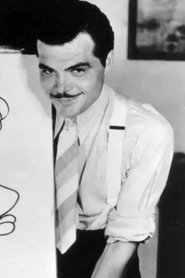
  • Rudolf Ising directed the cartoon, making it part of the brief era in which the original Bosko series was controlled by the Harman-Ising team.
  • The short uses an amusement park as a gag-friendly environment, a common setting in early sound cartoons because it allowed for music, motion, and visual variety.
  • Bosko's hot dog stand and the racetrack sequence both reflect the era's fondness for everyday American leisure activities turned into comic spectacle.
  • The cartoon is notable less for story complexity than for energetic pacing and musical synchronization, which were hallmarks of early 1930s animation.
  • Johnny Murray and Carman Maxwell are associated with the vocal performance credits on early Bosko cartoons, helping define the character's early personality.
  • Like many early Warner Bros. cartoons, this short was produced before the studio's later, more fully developed house style and star system emerged.
  • The title plays on the idea of highs and lows, fitting the short's rapid shifts between Bosko's work responsibilities and his recreational escape.
  • Early Bosko shorts often featured anthropomorphic motion and elastic animation rather than highly detailed backgrounds, and this film fits that pattern.
  • Because many early animated shorts were not preserved with the same care as feature films, information about exact production details is often fragmentary.

What Critics Said

Contemporary review records for this specific short are limited, and surviving critical commentary is sparse compared with feature films or later, more famous cartoons. At the time, it would likely have been received as a routine but engaging theatrical cartoon, valued for its musical timing and comic pacing rather than for narrative depth. Modern critical interest tends to be historical rather than evaluative: scholars and fans usually discuss it as part of Bosko's early run and as an artifact of the first generation of sound animation. Its reputation today is strongest among animation historians and collectors who study early Warner Bros. cartoons in sequence.

What Audiences Thought

No detailed audience-response data survives for this short, which is common for animated releases from the early 1930s. In its original theatrical context, it would have played as a supporting attraction before features, likely earning laughs through fast gags, music, and Bosko's energetic personality. Today, audiences interested in classic animation usually approach it as a historical curiosity and a glimpse into the style of early Warner Bros. cartoons. General viewers may find it charming for its simplicity and period flavor, though less polished than later studio classics.

Film Connections

Influenced By

  • The growing popularity of synchronized sound films in the late 1920s and early 1930s
  • Vaudeville-style gag comedy and musical revue traditions
  • Earlier animated shorts that emphasized music-driven movement and slapstick

This Film Influenced

  • Later Warner Bros. Looney Tunes and Merrie Melodies cartoons
  • Subsequent Bosko shorts
  • Early studio animation that built on the integration of music and character action

Film Restoration

The film is preserved and available in archival circulation and classic-cartoon collections, though documentation on restoration status is limited. As with many early animated shorts, surviving prints and video presentations may vary in quality depending on source material.

Themes & Topics