1923 · 80 minutes

Also available on: Archive.org
Why Worry?

Why Worry?

1923 80 minutes United States

"Why Worry? About anything when you're in on the joke!"

Hypochondria and exaggerated self-awarenessLuck versus competenceChaos in exoticized adventure settingsClass and privilegeRomance amid disorder

Plot

Wallingford Wallingford is a wealthy, pampered hypochondriac who becomes convinced that his health is deteriorating and decides he needs rest, fresh air, and a climate change. He travels to a tropical South American country with his practical companion, only to arrive in the midst of a violent revolution that is completely beyond his control. Mistaken identities, political chaos, and a series of escalating comic disasters soon trap him in a fortress and bring him into contact with a giant, but gentle, local strongman named Colosso. Though Wallingford is terrified by every apparent danger, he repeatedly survives through luck, accident, and the absurdity of the situation, turning his fearfulness into a source of comedy. As events unfold, the “sick” man gradually proves more resourceful than anyone expects, while romance blossoms between the supporting characters and the revolution is resolved in classic silent-comedy fashion.

About the Production

Release Date 1923-06-24
Production Hal Roach Studios, Pathé Exchange
Filmed In Los Angeles, California, USA, Hal Roach Studios, Culver City, California, USA

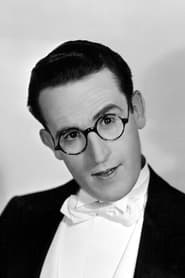
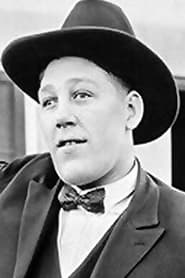
Why Worry? was made as a Harold Lloyd feature at the height of his popularity, with Lloyd playing a comic variation on his usual ambitious, energetic screen persona: here he is a self-absorbed hypochondriac rather than a striver. The film is especially remembered for its large-scale set work, including elaborate tropical street and fortress environments built on studio grounds to suggest a foreign revolution setting. John Aasen, one of the tallest men in film history, was cast as the gentle giant Colosso, providing a striking visual contrast to Lloyd and becoming one of the film's most memorable elements. Like many Lloyd productions of the period, it emphasized carefully staged physical comedy, precise timing, and safety-conscious stunt design rather than reckless improvisation. Contemporary accounts and later historians often note that the picture was created to maximize Lloyd's appeal to international audiences through broadly visual comedy and minimal reliance on intertitles.

Historical Background

Why Worry? was released in 1923, a peak year for American silent comedy and for the feature film as a dominant popular form. The post-World War I world was fascinated by modern travel, exoticized foreign settings, and the idea of escapist entertainment, and this film uses all three while gently mocking both affluent anxiety and adventure melodramas. Harold Lloyd was already one of the biggest stars in the world, alongside Chaplin and Keaton, and this film helped confirm that his brand of optimistic, urbane physical comedy could sustain sophisticated feature-length narratives. The film also arrived during a period when American studios were refining export-friendly humor, relying on action, expression, and visual clarity that could play across language barriers. Its revolution parody and tropical setting tap into early 20th-century cinematic fantasies about Latin American instability, a subject now understood as reflecting the era's colonial stereotypes and broad popular simplifications.

Why This Film Matters

Why Worry? matters as an example of Harold Lloyd's mature comic style at feature length, demonstrating that he could generate laughter not only from daredevil heroics but also from exaggerated fragility and self-absorption. The film is also culturally significant for its use of the giant Colosso character, a striking physical-comedy device that exemplifies silent cinema's love of size contrast and visual surprise. For silent-comedy history, it is a strong example of how studio craftsmanship, art direction, and carefully blocked ensemble action could create a convincing comic world without sound or extensive dialogue. It remains of interest to film historians because it captures both the pleasures and limitations of early Hollywood's exotic adventure fantasies, making it a useful artifact of its period as well as an enduring comedy. The film has continued to circulate through archival screenings and home-video releases, helping newer audiences discover one of Lloyd's less frenetic but highly inventive features.

Making Of

Why Worry? was developed during the period when Harold Lloyd and his team were perfecting feature-length comedy built around increasingly elaborate situations rather than simple gag sequences. Fred C. Newmeyer, who had worked on other Lloyd vehicles, directed the film with an emphasis on clean staging and readable action, important qualities for a picture that depended on international visual comedy. The production made striking use of scale, especially in scenes involving the huge Colosso character and the fortress-based climax, which required careful art direction and blocking to keep the gag geometry clear. The film also reflects the Hal Roach approach to comedy production: meticulous rehearsal, controlled stunt work, and story construction designed to give Lloyd's screen persona a fresh angle. Modern viewers and archivists often note that the picture's comic rhythm depends heavily on contrast—Wallingford's nervous frailty against the physical mass of Colosso and the absurd seriousness of revolutionary danger.

Visual Style

The film's visual style depends on clear, stage-like composition, carefully arranged sight gags, and strong readability of action across medium and wide shots. As in many silent comedies, the camera generally stays stable to preserve the geometry of the performance, allowing the viewer to track Wallingford's reactions, the movement of crowds, and the size contrast between characters. The production makes effective use of set design and perspective to simulate a tropical locale and revolutionary stronghold while maintaining comedic clarity. Cinematography in Why Worry? is less about flashy camera movement than about precision, timing, and making every visual joke legible. The result is a polished silent-comedy look that emphasizes performance, blocking, and environmental detail.

Innovations

The film is notable for its refined silent-comedy craftsmanship rather than for a single groundbreaking device. Its most obvious technical achievement is the successful staging of scale comedy through the giant Colosso character, which required careful set design, framing, and performance coordination to preserve the illusion. The revolution and fortress material also demonstrate strong production design and controlled ensemble choreography, allowing large groups of extras and actors to move through comic action without confusing the viewer. The picture shows how silent-era studios could create convincing exotic settings on back lots through art direction, matte-free practical illusion, and disciplined blocking. It also exemplifies Lloyd's era of feature filmmaking, in which technical polish served narrative clarity and comedy timing.

Music

As a silent film, Why Worry? did not have an original synchronized recorded soundtrack at release. Like many silent-era films, it would have been accompanied by live music in theaters, typically from a pianist, organist, small ensemble, or theater orchestra depending on venue and budget. Modern screenings and home-video editions have often used reconstructed or newly composed accompaniments, but there is no single universally authoritative original score tied to the release print in the same way as later sound films. Music for the film today varies by restoration and presentation, and the experience can differ significantly from one edition or screening to another.

Famous Quotes

I never saw such a place for a nervous man to get mixed up in.
Why worry?

Memorable Scenes

  • Wallingford's anxious arrival in the tropics, where he expects health and calm but is immediately swallowed by political turmoil.
  • The comic first encounters with Colosso, whose enormous size turns nearly every interaction into a visual gag.
  • The fortress and revolution sequences, in which Wallingford is trapped between his own panic and the absurd mechanics of rebellion.
  • A series of escalating escapes and misunderstandings that turn the supposedly delicate invalid into an accidental survivor.

Did You Know?

  • Harold Lloyd's character, Wallingford Wallingford, is one of his most unusually passive screen roles: instead of chasing success, he is obsessed with his own imaginary illnesses.
  • John Aasen, who played Colosso, was a very tall actor whose casting created one of the film's most famous comic visual pairings with Lloyd.
  • The film is often admired for how it turns a mild, timid protagonist into the center of a chaotic revolution without losing the light, sunny tone typical of Lloyd's comedies.
  • Why Worry? was produced at Hal Roach Studios, the creative home that also helped launch or sustain many major silent-era comedy talents.
  • The movie is remembered for its tropical setting illusion, achieved largely through studio construction rather than on-location filming in a foreign country.
  • The revolution plot allows the film to spoof adventure melodramas and exotic travel stories that were popular in silent-era cinema.
  • The title became famous enough that it was reused in later entertainment contexts and remains one of Harold Lloyd's most recognized film titles.
  • The film has long been appreciated by silent-comedy scholars as a streamlined example of Lloyd's clean visual storytelling and careful escalation of comic problems.
  • It is among the Lloyd films that benefited from the star's polished image as a likable, middle-class hero who survives through nerve and coincidence.
  • Because the film is a silent comedy, musical accompaniment has varied widely across screenings, restorations, and home-video presentations.

What Critics Said

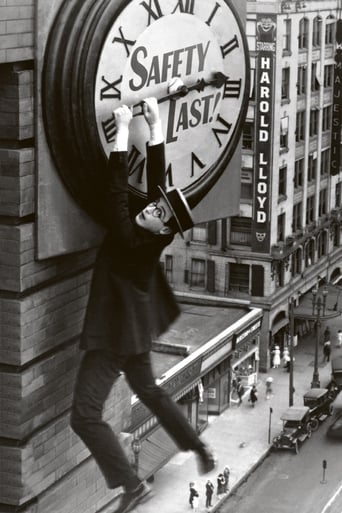
Contemporary reviews generally regarded Why Worry? as another polished and reliable Harold Lloyd comedy, praising its visual ingenuity, good-natured tone, and careful construction. Critics often highlighted the amusing contrast between Lloyd's nervous, health-obsessed character and the surrounding chaos, as well as the effectiveness of the giant Colosso gag concept. Over time, the film has retained a favorable reputation among silent-film historians, though it is sometimes considered less famous than Lloyd's more spectacular thrillers such as Safety Last! and The Freshman. Modern criticism tends to value it for its relaxed wit, clean storytelling, and visual inventiveness rather than for monumental set-piece daring. It is now frequently seen as an important part of Lloyd's feature era and a charming example of his versatility.

What Audiences Thought

Audiences in 1923 responded warmly to Harold Lloyd's dependable comic persona and to the film's easy-to-follow, globally legible humor. The combination of romance, adventure parody, and physical comedy made it appealing to mainstream moviegoers who wanted a bright, escapist entertainment rather than a dark or complicated story. The giant Colosso sequences were especially memorable for viewers, offering a novel visual hook that was easy to appreciate regardless of language. In later decades, silent-film enthusiasts and revival audiences have continued to enjoy the film for its cheerful pace and inventive staging, even if it is not always the first Lloyd title mentioned in popular memory. Its reputation has benefited from the ongoing interest in restored silent features and curated retrospectives of early comedy.

Film Connections

Influenced By

  • Adventure melodramas and exotic travel films popular in the silent era
  • Stage and screen comedy built on size contrast and physical incongruity
  • Harold Lloyd's established screen persona and previous feature comedies
  • Broad romantic and political farce traditions

This Film Influenced

  • Later comic adventure films that blend a timid protagonist with dangerous political upheaval
  • Silent-comedy revivals and homages to Harold Lloyd's visual style
  • Films using giant-vs.-small character contrast as a core visual gag

Film Restoration

The film is preserved and available in restored form through archival and home-video circulation; it is not generally considered lost. Surviving prints and restorations have allowed it to remain part of Harold Lloyd retrospectives and silent-film preservation efforts, though quality can vary by source element and edition.

Themes & Topics