A Bird's a Bird
Plot
Mr. Walrus is a comic, well-meaning husband who is desperately trying to secure a Thanksgiving turkey for a family dinner with his in-laws, but every attempt he makes collapses into chaos. His plans are continually derailed by mishaps, misunderstandings, and the sort of escalating physical comedy associated with early Keystone-style farce. The pursuit of the turkey turns into a chain reaction of comic disasters, with Chester Conklin’s deadpan exasperation driving the humor as he tries to salvage the situation. The film builds toward increasingly frantic slapstick as the simple goal of getting a bird becomes a battle against bad luck, domestic pressure, and sheer mayhem. As with many short comedies of the period, the story is less about plot complexity than about timing, visual gags, and the mounting humiliation of the central character.
About the Production
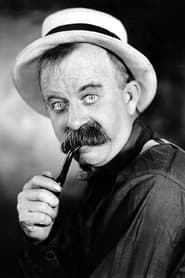
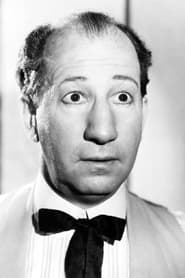
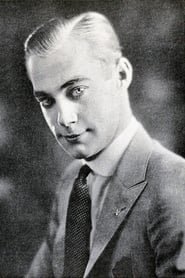
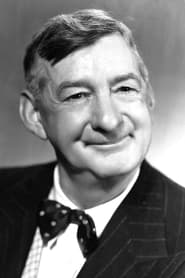
This is a short silent comedy produced during the peak of Keystone’s assembly-line approach to slapstick production, when one-reel films were made quickly with a heavy emphasis on physical gags, chase mechanics, and domestic chaos. Walter Wright directed the film, and the cast includes Chester Conklin, one of Keystone’s signature comic performers, whose persona often centered on blustery frustration and improvisational-looking reactions to absurd situations. Minta Durfee and Harry Ward appear in supporting roles that help establish the home-and-in-law setup typical of many Thanksgiving or family-dinner comedies of the period. Surviving production documentation is limited, so precise shoot dates, budget figures, and detailed location notes are not generally available, but the film is associated with the general Keystone production environment in Los Angeles during 1915. Like many silent shorts of its era, it was designed for rapid release and immediate audience consumption rather than long-term theatrical circulation.
Historical Background
A Bird's a Bird was released in 1915, a period when the American film industry was rapidly professionalizing and the short comedy was one of the most commercially reliable forms of entertainment. Keystone was still strongly identified with anarchic slapstick, a style that had already influenced the public perception of cinema as a place for rough-and-tumble physical humor. The film emerged during a year when feature-length storytelling was becoming more prominent, yet one-reel comedies remained essential to theater programs and were often shown alongside newsreels, serials, and other shorts. Its Thanksgiving domestic premise reflects the early cinema fascination with everyday social rituals turned upside down by comedy, especially the pressure of family gatherings and the humiliation of failing at ordinary tasks. Historically, the film also illustrates how silent comedy drew on universal situations that could be understood instantly by audiences regardless of language.
Why This Film Matters
While A Bird's a Bird is not among the most famous surviving silent comedies, it is culturally significant as a representative artifact of Keystone-era slapstick and early American screen humor. Films like this helped establish the grammar of cinematic comedy: escalating mishaps, physical business, comic frustration, and a central prop or objective that triggers chaos. Its Thanksgiving premise links silent film to recurring American holiday traditions, showing how cinema quickly adapted familiar seasonal themes for mass entertainment. The film also contributes to the legacy of Chester Conklin and the broader troupe of Keystone performers who helped define screen comedy before the rise of later silent-era stars and feature-length comic vehicles. For historians, it is valuable as evidence of how a studio system could generate dozens of short films that shaped audience expectations for rhythm, pacing, and comic payoff.
Making Of
A Bird's a Bird was made in the style that Keystone perfected in the mid-1910s: small-scale, fast-production slapstick built around a strong comic premise and a recognizable performer. Chester Conklin’s involvement is especially important, since he was often cast in roles that relied on his distinctive face, physicality, and ability to project frustration without dialogue. Walter Wright’s direction would have focused on staging gags clearly for the camera, keeping action readable and efficient for a one-reel format. The film’s domestic Thanksgiving setup likely required simple sets and props rather than elaborate production design, with the turkey serving as the central comic object around which the action revolves. As with many silent shorts from the period, much of the original production context has not survived in detailed form, so modern understanding comes largely from cast records, plot references, and surviving catalog information.
Visual Style
The film’s cinematography would have followed the straightforward, static or lightly adjusted framing common to mid-1910s Keystone comedies, prioritizing clarity of action over expressive camera movement. Shots were typically arranged so that the audience could easily follow entrances, exits, pratfalls, and prop-based humor within a single frame. The emphasis would have been on readable staging, with actors moving through the set to deliver physical business in a way that resembled stage farce but with the comic timing unique to cinema. There is no evidence of elaborate visual experimentation; instead, the film likely relied on brisk composition and clean sightlines to make the escalating mishaps legible. This practical visual style is itself characteristic of the period and central to the film’s comic effectiveness.
Innovations
The film does not appear to be associated with any major technical innovation, but it exemplifies the efficient craftsmanship of Keystone silent comedy. Its notable technique lies in the disciplined use of visual setup and payoff within a compact running time, with prop comedy and bodily reaction replacing dialogue. The film’s structure demonstrates the mature one-reel comic formula: an ordinary task, an increasingly impossible obstacle course, and a final burst of chaos. Like other studio comedies of the time, its technical achievement is less about innovation than about precision in staging, editing, and physical timing. It helped reinforce the conventions that later silent comedies would refine into more elaborate narrative forms.
Music
As a silent film, A Bird's a Bird had no synchronized recorded soundtrack. In original theatrical exhibition, it would have been accompanied by live music, often a piano or small theater ensemble, with the selection depending on the venue and the accompanist’s taste. No original score is known to survive, and there is no standard soundtrack associated with the film today. Modern presentations of silent shorts like this one may use archival-style piano accompaniment or newly commissioned music for restoration screenings. Because of the film’s comedic pacing, the music would traditionally have emphasized rhythm, momentum, and comic punctuation.
Memorable Scenes
- Mr. Walrus’s increasingly frantic efforts to obtain a Thanksgiving turkey before dinner with his in-laws spirals out of control.
- A chain of slapstick mishaps that turns a simple holiday errand into a comic disaster.
- Physical comedy beats built around embarrassment, surprise, and failed attempts to maintain dignity in front of family.
Did You Know?
- The film is a Thanksgiving-themed comedy, using the familiar holiday pressure of impressing in-laws as the engine for slapstick escalation.
- Chester Conklin was one of Keystone’s most recognizable comedians, and this film fits his popular screen persona of a harried, beleaguered man caught in domestic trouble.
- Walter Wright was active as a director at Keystone during the era when the studio specialized in rapid-fire short comedies.
- The title plays on the old expression "a bird in the hand," but the plot centers on the literal hunt for a turkey.
- Because it is a silent short from 1915, the film would originally have been accompanied by live music in theaters rather than a synchronized recorded score.
- The surviving information on the film is relatively sparse compared with better-known Keystone productions, which is common for many one-reel comedies of the 1910s.
- Its premise reflects a common early-comedy formula: a simple domestic errand becomes a cascading disaster through misunderstanding and physical gags.
- The film features Minta Durfee, a well-known early screen performer and one of the notable women working in silent slapstick comedy.
- Its Thanksgiving setting makes it part of a small but memorable group of early films that used holiday domesticity as a backdrop for mayhem.
- The film is often discussed today more as a historical example of Keystone-era comic structure than as a widely screened mainstream classic.
What Critics Said
Contemporary reviews for many minor Keystone shorts were often brief or not widely preserved, and specific critical commentary on A Bird's a Bird is limited. At the time, audiences and exhibitors generally valued these films for immediate laughs and dependable slapstick rather than for narrative sophistication, and this short would have been evaluated within that framework. Modern reception is similarly limited, as the film is not as frequently discussed as major surviving works by Chaplin, Arbuckle, or Sennett’s most famous titles. Film historians tend to view it as a useful example of Keystone’s comic formulas and Chester Conklin’s supporting-star appeal rather than as a landmark of silent cinema. Its current critical importance lies mostly in its historical context and the way it illustrates everyday domestic comedy in the 1910s.
What Audiences Thought
Audience response in 1915 would likely have depended on the immediate effectiveness of the gags, the familiarity of the Thanksgiving scenario, and Chester Conklin’s ability to generate sympathy through frustration. Keystone comedies were designed for broad popular appeal, especially in urban nickelodeon and early picture-palace settings where physical humor translated quickly and reliably. Viewers of the period generally expected a brisk, noisy, and chaotic experience from short comedies, and a turkey-chasing premise would have been easy to understand and enjoy across class and literacy lines. No detailed exhibition records survive that quantify attendance or public reaction for this specific title, but it would have fit comfortably into the mainstream comedy market of its day. Today, audiences encountering the film are usually silent-comedy enthusiasts, archivists, or historians rather than mass theatrical viewers.
Film Connections
Influenced By
- Keystone studio slapstick traditions
- Stage farce and domestic comedy
- Early vaudeville-style physical humor
This Film Influenced
- Later domestic slapstick comedies
- Holiday-themed comedy shorts
- Thanksgiving sitcom and film farces that use family dinner chaos as a comic engine
You Might Also Like
More Comedy Films
View allMore from Walter Wright
View allFilm Restoration
The film’s preservation status is unclear from readily available public documentation; it is not widely available and appears to survive, if at all, only in limited archival or reference holdings rather than as a commonly circulating restored print.